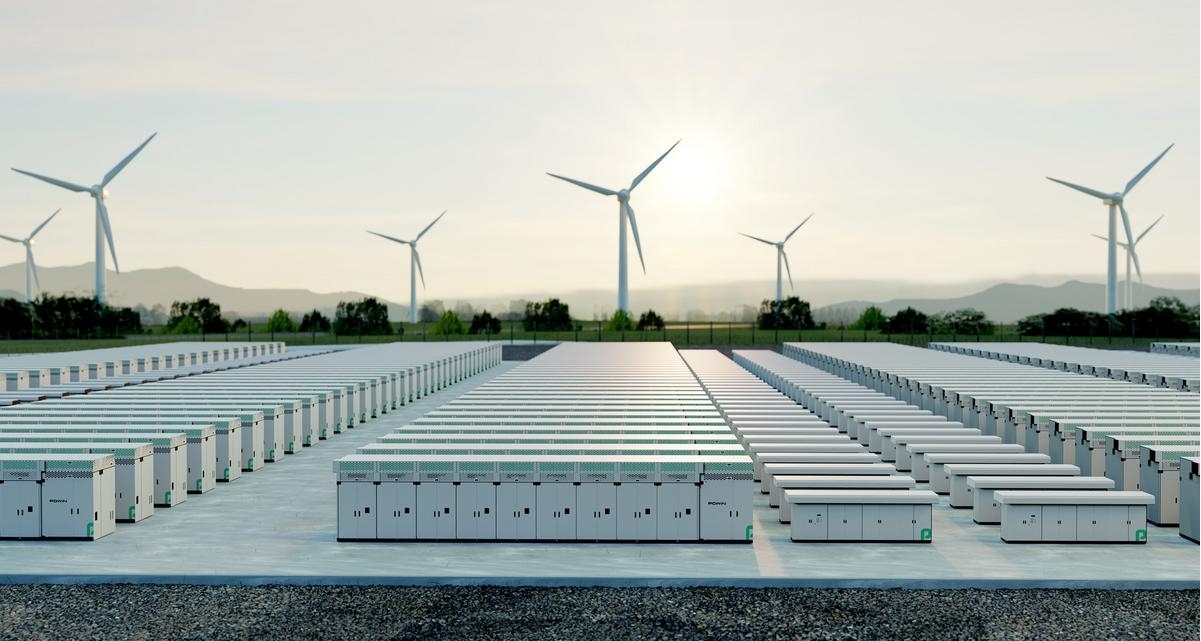
On May 29, 2026, a notice shook the global energy storage sector. Powin, a U.S. company once ranked among the top five global energy storage system integrators, submitted a layoff notice to Oregon authorities: if the business environment does not improve, it will lay off all 250 employees by late July and permanently cease operations. This is not a crisis warning, but a countdown to death.
Powin's collapse was not sudden but the result of a triple-strike chokehold. The most direct fatal blow came from a $44 million payment black hole. As early as December 2024, CATL filed arbitration with the Oregon court, accusing Powin of delaying payment for battery orders totaling about 310 million RMB from 2022 to 2023. Although Powin had admitted the debt and signed a repayment agreement, it defaulted again on new orders after paying only a 10% deposit, with actual repayment amounting to only 300,000 RMB. CATL has applied for asset freezing, leaving Powin's cash flow completely broken. Adding insult to injury, its Centipede model batteries caused severe fires in New York and Idaho in 2023, with investigations pointing directly to waterproof design defects. Safety is the lifeline of the energy storage industry; once breached, customers vote with their feet, and it is irreparable.
What truly pushed Powin into the abyss was the lethal combination of policy and tariffs. 90% of battery storage systems in the U.S. use Chinese cells, and Powin is one of the largest integrators in this supply chain, sourcing batteries from leading Chinese companies such as CATL, EVE Energy, and Ruipu Lanjun. The Trump administration raised lithium battery tariffs to 145%, and with the ITC investment tax credit cancellation, customers would lose incentives equivalent to 30%–40% of project capital expenditure. Rising costs, zero subsidies, frozen demand—this triple blow hit simultaneously.
Powin is not an isolated case but a microcosm of the difficulties in the U.S. energy storage industry. The Inflation Reduction Act requires 100% domestic production of battery components from 2025 onwards, but U.S. domestic capacity is severely lacking. The four major Korean battery manufacturers are expected to account for 54% of U.S. battery capacity in 2026, of which only about 4% is for energy storage. U.S. lithium battery factory construction takes up to three years, with many projects not yet operational. The U.S. energy storage market has fallen into a 'pause'—project delays, rising electricity prices, risks escalating in layers, leaving no one daring to act. Fluence has suspended some U.S. project contracts, and LGES Chief Product Officer Doherty openly stated: 'High and intermittent tariffs are poison for this industry; too much too fast will kill us.'
After Powin collapsed, it left an operational vacuum of over 11.3 GWh of deployed projects and over 6 GWh of projects under construction. But the market will not wait. In the first quarter of 2026, global energy storage shipments reached 126.4 GWh, up nearly 79% year-on-year, with Sungrow, BYD, Huawei, and Tesla firmly in the Top 5. Chinese companies have already taken seven of the top ten spots globally. Powin's position will be quickly filled, but it will no longer be filled by American companies.
Powin's sudden collapse is the most brutal fracture that occurs when the narrative of 'manufacturing returning home' collides with the reality of global supply chains. Tariffs did not kill Chinese batteries; they first killed the American integrators that relied on Chinese batteries.
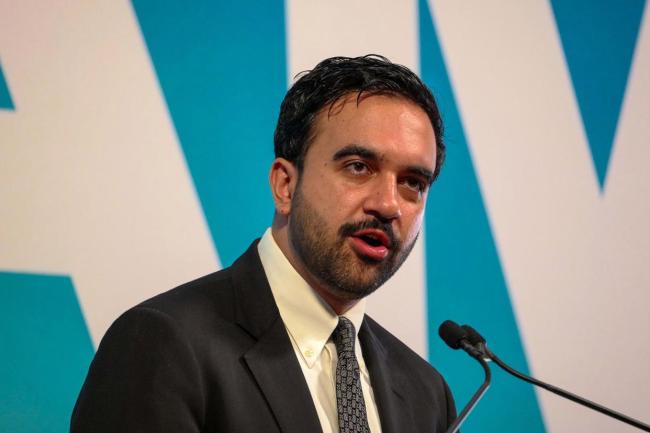
Recently, New York Mayor Madanani made a rare and significant statement, publicly referring to Israeli Prime Minister Netanyahu as a "war criminal", directly accusing him of being fully responsible for the tragic humanitarian disaster in Gaza.
Recently, New York Mayor Madanani made a rare and significa…
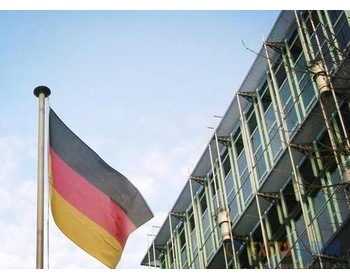
The latest July survey data released by the ZEW – Leibniz C…
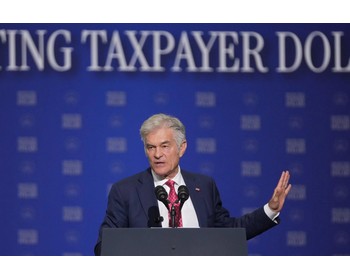
The Trump administration announced on Tuesday that it would…
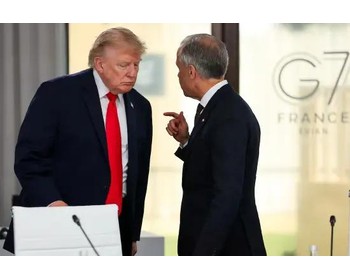
On July 21st local time, Canadian Prime Minister Mark Carne…
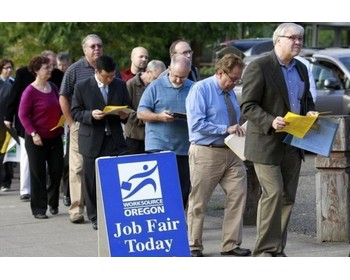
According to the Associated Press, the latest data from the…

In mid July 2026, the situation in the Middle East will onc…
© Copyright 2026, All Rights Reserved