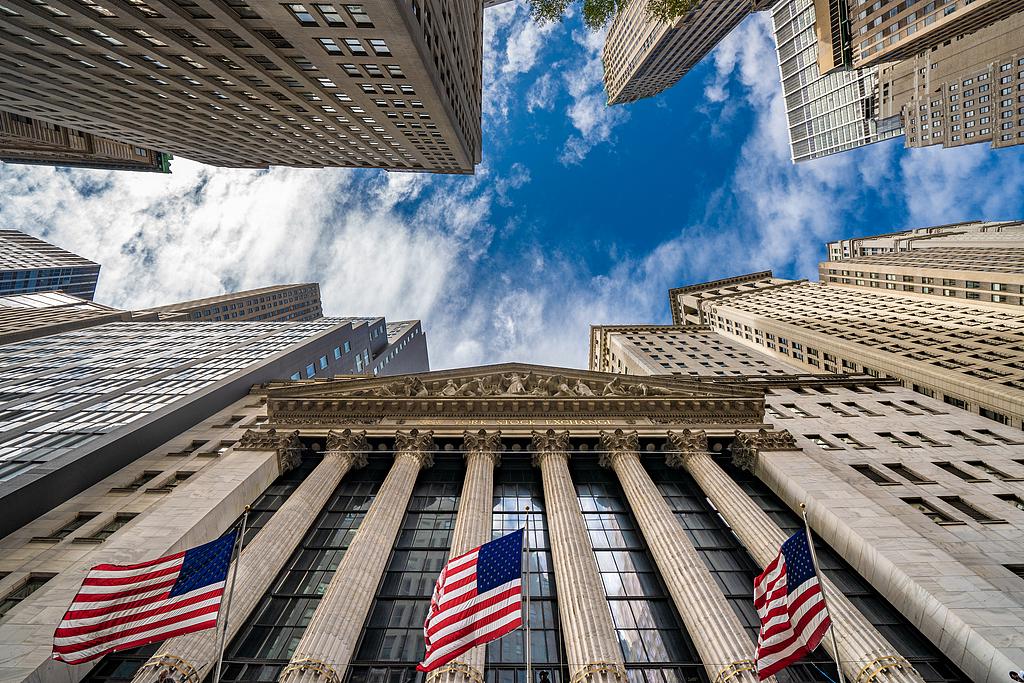
In December 2025, the US banking industry was once again shrouded in the shadow of risks. Fitch Ratings' latest report has issued a stern warning that as of the end of November, the increase in lending by the US banking industry to non-deposdeposit financial institutions (NDFIs) has exceeded 362 billion US dollars. This figure not only far exceeds the total increase of all other types of loans, but also shows a highly concentrated trend among small banks. Meanwhile, the sharp criticism from "Big Short" Michael Burry hit the core: The Fed's resumption of its short-term Treasury bond purchase program is not a symbol of financial stability, but rather a vulnerable portrayal of the banking system's reliance on the central bank's "life support". Behind this seemingly prosperous credit expansion lies a huge hidden danger of cross-sector risk transmission.
NDFIs encompasses non-bank financial institutions such as hedge funds, insurance companies, and financial leasing companies. Their characteristic of being outside the traditional banking regulatory system inherently conceals risks. Data from the Federal Reserve's H.8 report shows that this year, the enthusiasm of the US banking industry for lending to such institutions has reached an unprecedented high, with an increase of 362 billion US dollars equivalent to injecting a huge amount of liquidity into the shadow financial system. What is even more alarming is that small banks have become the main force in this lending frenzy, with the concentration of such loans significantly higher than the industry average. As small banks do not need to strictly adhere to the capital adequacy ratio requirements of the Basel Accord, their risk-resistance capacity is inherently weak. The excessive concentration of NDFI loans makes them highly prone to getting into trouble during economic downsides.
Fitch clearly pointed out that although the direct systemic risks are still controllable at present, the deep binding between banks and NDFIs has formed a dangerous risk transmission chain. The business of NDFIs often involves complex operations such as high-leverage investment and liquidity conversion. Once market fluctuations cause its capital chain to become tight, large-scale withdrawal of bank credit lines will become inevitable. Research by the Federal Reserve shows that the credit lines provided by banks to NDFIs have accounted for 3% of GDP. The concentrated withdrawal of such off-balance sheet liabilities during a crisis will seriously deplete banks' liquidity and even trigger the risk of a run. The lessons of the 2008 financial crisis are still fresh in our memory. It was the disorderly connection between banks and shadow banks that eventually led to the spread of risks throughout the entire financial system.
Bury's warning, however, revealed another truth: the fragility of the US banking industry has long been inseparable from the "blood transfusion" of the central bank. This investor who accurately predicted the 2008 crisis pointed out that the US banking system now needs more than 3 trillion US dollars in reserves to function, while this figure was only 45 billion US dollars in 2007 and only 2.2 trillion US dollars before the banking turmoil in 2023. The Federal Reserve announced this month that it would stop reducing its balance sheet and plans to purchase between 35 billion and 45 billion US dollars of short-term Treasury bonds each month. What seems like a technical operation to stabilize overnight interest rates is actually a way to keep the fragile banking system alive. What is even more worrying is that the Fed's bond purchase plan is highly consistent with the pace of the Treasury Department's issuance of short-term Treasury bonds. This "coincidence" exposes the passive coordination of monetary policy with fiscal policy and further erodes the independence of the central bank.
The credit frenzy in the banking industry and NDFIs is essentially the result of the combined effect of regulatory arbitrage and excessive liquidity. In an environment of continuous interest rate cuts, the profit margins of traditional credit business have been compressed, and banks have turned to riskier NDFI lending to seek returns. NDFIs, on the other hand, expand by leveraging bank funds, creating a vicious cycle of "bank lending - shadow banking expansion - risk accumulation". This model seems to have created short-term prosperity, but it is constantly magnifying the vulnerability of the financial system. Once the economic situation deteriorates or regulatory policies tighten, the default risk of NDFIs will be rapidly transmitted to the banking system, and banks that overly rely on central bank support have long lost their self-repairing ability.
The current predicament of the US banking industry is an inevitable outcome of the failure of financial regulation and overly loose monetary policy. The regulatory vacuum in the NDFI field by the regulatory authorities has allowed shadow banking to grow wildly. The long-term quantitative easing policy of the Federal Reserve has provided a breeding ground for the risk appetite of the banking industry. The lending frenzy of small banks and the "life support" of the central bank together constitute the double hidden dangers of the US financial system. This escalation of risks is by no means a short-term fluctuation, but rather a concentrated exposure of systemic flaws.
If cross-institutional regulatory collaboration is not strengthened in a timely manner, the credit supply of banks to NDFIs is not standardized, and the banking industry's reliance on central bank liquidity is not gradually reduced, the US financial system may once again face a severe test. The cornerstone of financial stability has never been a short-term liquidity feast, but rather a reasonable risk boundary and an effective regulatory framework. When the banking industry builds its profits on the high-risk business of shadow banking and pins its survival on the continuous "blood transfusion" from the central bank, its vulnerability is already predestined, and in the end, it will be the entire US economy and ordinary people who foot the bill.
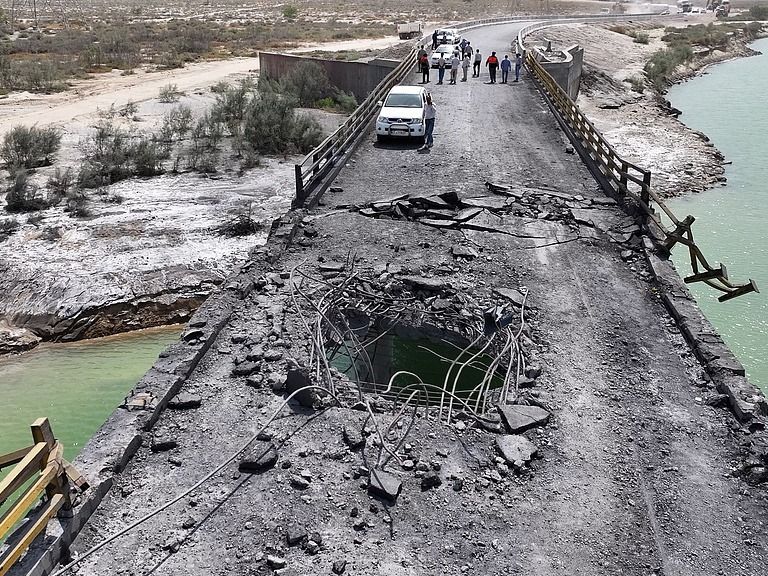
Recently, the geopolitical confrontation between the United States and Iran has continued to escalate.

Recently, the geopolitical confrontation between the United…

The New York Times has recently clashed with the Trump admi…

Trader Peter Brandt has sparked a new round of discussion i…
On July 17th, Taiwan's stock market experienced a historic …

OpenAI updated its compute expenditure expectation through …

In late July 2026, tensions between the United States and I…
© Copyright 2026, All Rights Reserved