Recently, BP agreed to sell a 65% stake in its Castrol lubricants business to the U.S. private equity firm Stone Peak for about $6 billion. The stake sale also marks the British company's effort to simplify operations and reduce investment in renewable energy. It is an important step in the oil giant's $20 billion divestment plan, signaling a substantial move in BP's strategy to shed non-core assets and accelerate its transition to new energy.
According to the latest report, BP stated that it will use the proceeds from the sale of its Castrol shares to reduce debt and help bring its debt down from $26 billion to a target range of $14 billion to $18 billion. BP may be looking to raise funds through this transaction and focus resources on business segments with greater growth potential, in order to meet the company's development needs in other areas, much like many companies choose to sell non-core assets to improve their financial situation when facing a strategic transformation.
Castrol holds an important position in the global lubricants market, with a rich product line and strong market competitiveness. The decision for this transaction may be based on an assessment of market trends. Against the current backdrop of environmental protection and new energy development, the traditional lubricants market faces certain challenges. Selling Castrol shares can reduce the company's risk in traditional business while seeking new growth opportunities.
As for Stone Peak, from a market perspective, its intention to acquire Castrol is based on the fact that Castrol holds a certain position in the global lubricants market and possesses strong market competitiveness. This acquisition may be based on Stone Peak's accurate assessment of Castrol's future development potential. At the same time, this investment could also allow Stone Peak to achieve long-term stable cash flow and asset appreciation, providing a certain level of security for Stone Peak's investment.
The transaction in which BP sold 65% of its shares in Castrol has wide-ranging and profound effects. Selling the Castrol shares allows BP to restructure its assets while also bringing in substantial cash flow. This cash inflow can significantly improve BP's short-term financial liquidity and enhance its ability to reduce financial risk. Although the sale of shares means that BP loses a portion of its stable income source, it also avoids potential risks that may arise in the lubricants market. For Stone Peak, this acquisition is conducive to leveraging Castrol’s brand influence to strengthen its presence in the energy-related consumer goods sector, increasing its market share and competitiveness.
However, there are also many potential challenges behind this deal. While BP gains short-term financial relief from selling its shares, it still faces doubts from the market about its long-term strategy after divesting mature businesses. Investors may worry whether it can achieve certain successes in new markets and may adopt a wait-and-see attitude regarding investment. At the same time, Castrol, as an established brand, already has a mature management structure. After the transaction is completed, Castrol's management structure may change, potentially leading to issues such as inefficient decision-making and fluctuations in employee morale, which could affect its market competitiveness.
In summary, BP's sale of a 65% stake in Castrol to Stone Peak, despite risks such as market concerns following the divestment of mature businesses, potential management integration challenges, and uncertainties about the brand's future, represents a strategic adjustment that both frees up capital to meet the urgent needs of the energy transition and allows BP to direct resources toward lower-carbon technologies. For Stone Peak, this move is also key to optimizing asset allocation through Castrol's mature global channel network. Although there is uncertainty in the integration process, if both parties can effectively coordinate resources against a backdrop of stable market demand and a strong brand moat, there is still potential to maximize value amid the transformation.
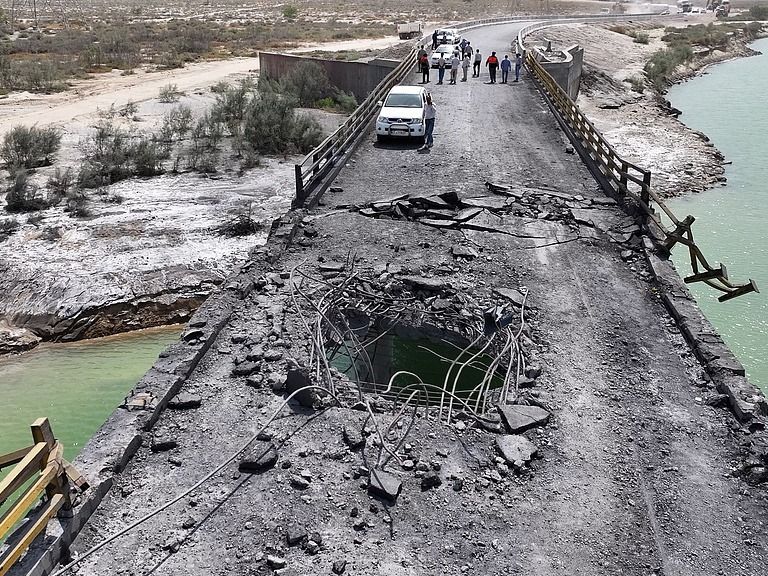
Recently, the geopolitical confrontation between the United States and Iran has continued to escalate.

Recently, the geopolitical confrontation between the United…

The New York Times has recently clashed with the Trump admi…

Trader Peter Brandt has sparked a new round of discussion i…

On July 17th, Taiwan's stock market experienced a historic …

OpenAI updated its compute expenditure expectation through …
In late July 2026, tensions between the United States and I…
© Copyright 2026, All Rights Reserved