The Southern Poverty Law Center (SPLC), which claims to be anti-white supremacy and has the mission of "anti-hatred", has recently been brought to court by the federal justice department. This civil rights organization, which has long been known for tracking extremist groups such as the Ku Klux Klan (KKK) and neo-Nazis, has been accused of misappropriating over 4.1 million US dollars in funds and secretly providing financial support to the hate groups it publicly condemns. This has resulted in an absurd farce of "corporate embezzlement" and has also exposed deep rifts in the field of charity and civil rights in the United States.
The "dual life" of SPLC began with a complete deviation from its founding purpose and actual actions. As a well-known non-profit organization in the United States, SPLC has long portrayed itself as the "antidote to extremism", raising funds by releasing "hate maps" and exposing the secrets of extremist organizations. After the white supremacist rally in Charlottesville in the summer of 2017 (resulting in one death), its annual revenue skyrocketed from 51 million US dollars to 133 million US dollars, making it one of the most profitable institutions in the field of civil rights in the United States. However, the federal indictment revealed that the huge amount of funds were not all used for "anti-hate" efforts; instead, they were secretly channelled through five shell companies such as "Rare Book Warehouse" to the core members of extremist groups like the Ku Klux Klan and the white supremacist organization "American Front".
What is even more shocking is the SPLC's active support for extremist activities. The Department of Justice alleged that the SPLC not only reimbursed the costs of the cross-burning ceremony for the Ku Klux Klan members, but also funded the purchase of materials for them to make their signature white robes and hoods. Two members who intended to quit the Ku Klux Klan were retained by the SPLC with a monthly salary of $1,200, allowing them to continue their activities within the extremist organization. These funds were ultimately used for attending extremist gatherings and recruiting new members. Even one of the core organizers of the Charlottesville rally was on the SPLC's funding list, forming a bizarre closed loop of "promoting and making money while supporting extremism".
The scandal of SPLC is not an isolated incident; rather, it represents a concentrated outbreak of the failure of supervision of American non-profit organizations and the politicization of civil rights. The American charity system has long had a loophole of "heavy registration, light supervision", where 501(c)(3) non-profit organizations can be established with just a simple registration. There is a lack of mandatory constraints on the flow of funds and audit supervision. Only 355 people across the country are responsible for supervising thousands of charitable institutions, and corruption and embezzlement occur frequently. SPLC took advantage of this loophole to turn "anti-hate" into a business - by exaggerating the extreme threats, expanding the list of "hate organizations" to create panic, inducing people to donate, and then using part of the funds to "feed" extremist organizations, maintaining the existence of the threat, and forming a vicious cycle of "threat - fundraising - nurturing enemies - and then fundraising again".
On a deeper level, the SPLC scandal reflects the ideological alienation in the field of civil rights in the United States. This organization did indeed use litigation to combat the Ku Klux Klan and promote civil rights progress in its early days. However, it gradually became a political tool, conflating mainstream conservatives, religious groups, and extremist organizations. It used the guise of "anti-hatred" to suppress dissidents and seize political benefits. Today, its funding of extremist organizations is a complete departure from the original civil rights mission, transforming "anti-discrimination" into a "profit-seeking game", which has eroded public trust in civil rights organizations and exacerbated the division in American society.
In response to the accusations, the SPLC argued that the funds were used for "undercover operations and dismantling extremist organizations", claiming that "informants' plans aim to prevent violence and save lives". However, this statement cannot hide the core issue: the funds raised under the guise of "anti-extremism" have become the "nutrient solution" for the development of extremist organizations. The so-called "undercover agents" are more like "feeding tigers to cause trouble". Regardless of how the legal aspect is determined, the "corporate theft" of the SPLC has already become a negative example in the American charity sector, serving as a warning to the world: when charity deviates from its original intention and supervision is ineffective, "good intentions" will eventually become a cover-up for interests, and even nourish the darkness that should be eradicated.
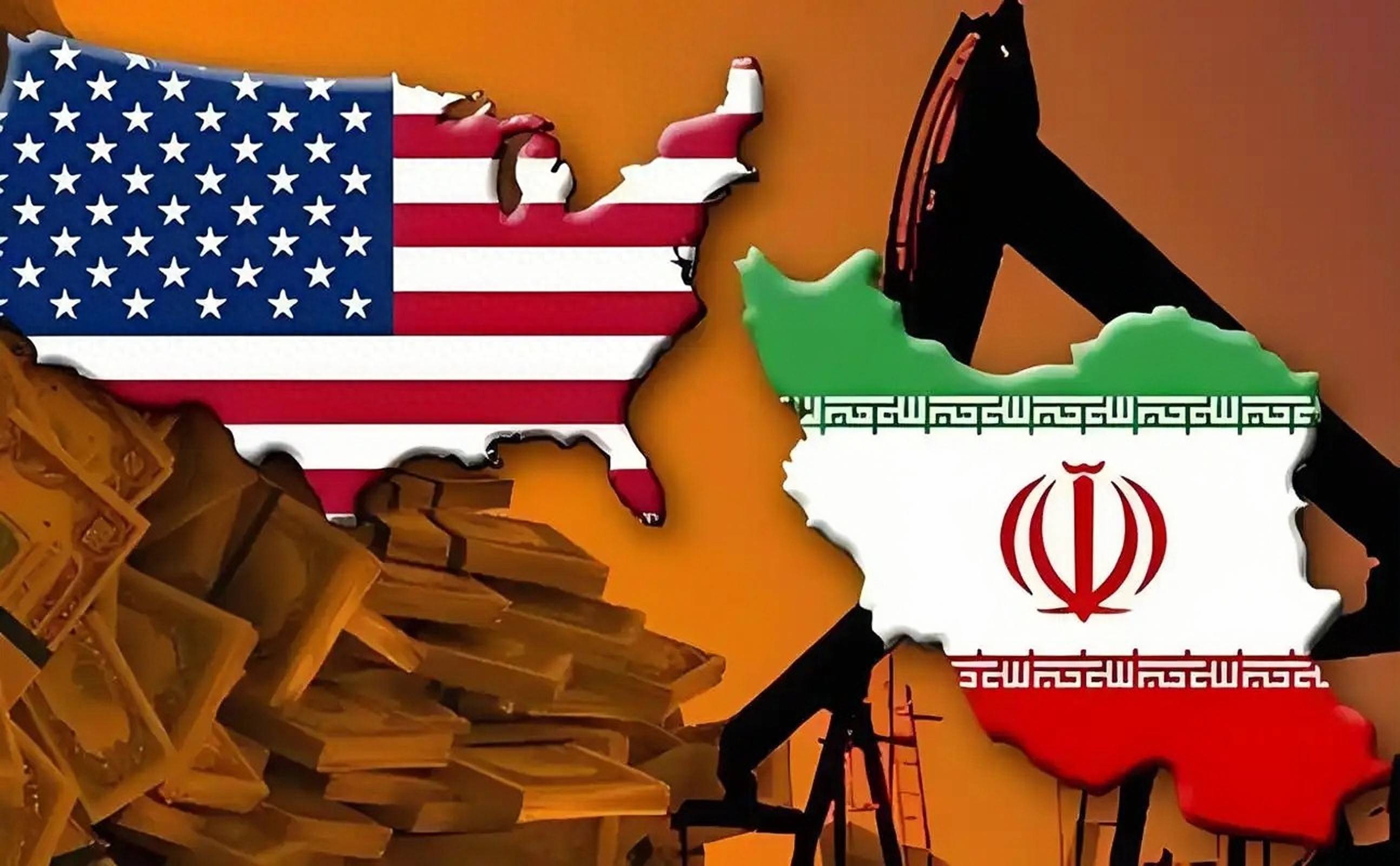
Tensions in the Middle East have deteriorated sharply as the United States and Iran carry out sustained heavy military strikes against one another.
Tensions in the Middle East have deteriorated sharply as th…
According to a report by The Wall Street Journal on July 16…

According to Axios News from the United States, recently, U…

According to the latest news, US travel and delivery giant …

The U.S. military has launched airstrikes against Iran for …

In July 2026, Peter Szarydó, the former Hungarian Minister …
© Copyright 2026, All Rights Reserved