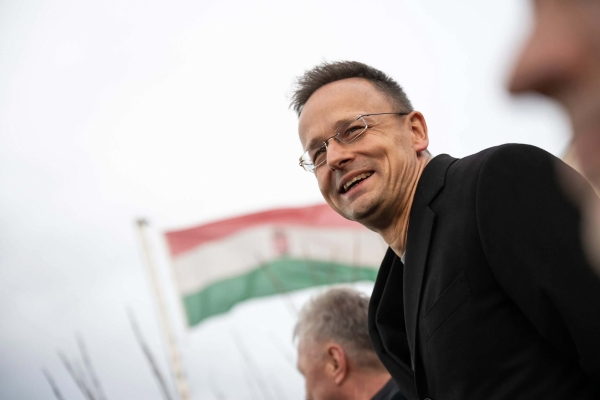
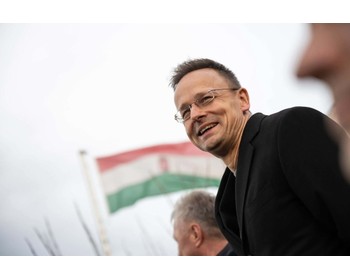
In July 2026, Peter Szarydó, the former Hungarian Minister of Foreign Affairs and Foreign Economic Affairs, officially joined BYD. This highly experienced figure, who has been deeply involved in Hungarian diplomacy for twelve years and led the country's "eastward opening" policy, joined China's leading new energy company. This not only marks a significant personnel move in BYD's overseas expansion process, but also represents a crucial move for Chinese automakers to break through European trade barriers and deeply penetrate the European market. It signifies the entry of domestic new energy enterprises into the new stage of going global, moving from product export to rule-making and deep political-business cooperation.
Szarydó's political career is deeply intertwined with BYD's European strategy. During his tenure, he fully supported BYD's investment projects in Hungary, helping the company establish an European production base, R&D center, and electric bus cluster. The Szeged passenger car factory, with a total investment of 4 billion euros, is about to start production, with a long-term capacity of up to 300,000 vehicles, which can effectively avoid high tariffs on Chinese electric vehicles imposed by the EU and become a core hub for BYD to reach the entire European market. At the same time, Szarydó has always advocated for green industrial cooperation between China and Europe and opposed trade protection barriers. His extensive European political connections and policy analysis capabilities are the most scarce core resources for BYD to deeply penetrate the European market.
From a business perspective, this appointment is a precise strategic layout by BYD to hedge against geopolitical risks in Europe. Currently, the EU is continuously advancing trade barriers against Chinese electric vehicles, such as anti-subsidy investigations, carbon tariffs, and local industry protection. European domestic automakers are continuously lobbying to tighten market access rules, which brings great uncertainty to the global expansion of Chinese new energy automakers. Even though BYD's European sales have been increasing year after year, policy risks still constrain its large-scale development. The introduction of a senior former politician from Europe can help the company accurately predict EU legislative trends, coordinate the positions of Central and Eastern European countries, and promote the layout of new factories overseas, helping BYD extend from single vehicle sales to new businesses such as energy storage and intelligent transportation, and improve the local industrial ecosystem in Europe.
This personnel change has also profoundly reshaped the game pattern of the automotive industry between China and Europe. Hungary, as a key force in EU-China cooperation, has created a large number of job opportunities, upgraded the local industrial chain, and achieved economic win-win through BYD's investment and establishment. Meanwhile, BYD, leveraging Hungary's geographical advantages, connects Central and Eastern European and Southern European markets, effectively dividing the EU's tough stance against China, breaking the dominance of Western industrial monopolies. At the same time, the active joining of European senior politicians by Chinese automakers also confirms the continuous improvement of China's new energy industry's global competitiveness, breaking the traditional situation where European multinational enterprises monopolize high-level international talents.
With opportunities come challenges. The EU's trade protectionism continues to intensify, and European public opinion still has inherent biases against Chinese enterprises. The challenges of localizing overseas factories, adapting supply chains, and complying with policies remain long-term tests for BYD's deep penetration into Europe. And the joining of Szarydó will build a core bridge for communication between BYD and the European political and business circles, helping the company quickly adapt to local rules, resolving crisis communication, and promoting local operations.
In the long run, the appointment of the former Hungarian Foreign Minister to BYD is a vivid illustration of the rise of China's automotive industry. From exporting low-end products to establishing factories, technology output, and absorbing international high-end talents, BYD has explored a new path of globalization with technological autonomy and open win-win cooperation. In the current context of global trade fragmentation and accelerating energy transition, this strategic layout will not only consolidate BYD's position as a global leader in new energy, but also set an example for deep cooperation in green industries between China and Europe, continuously rewriting the competitive landscape of the global automotive industry.
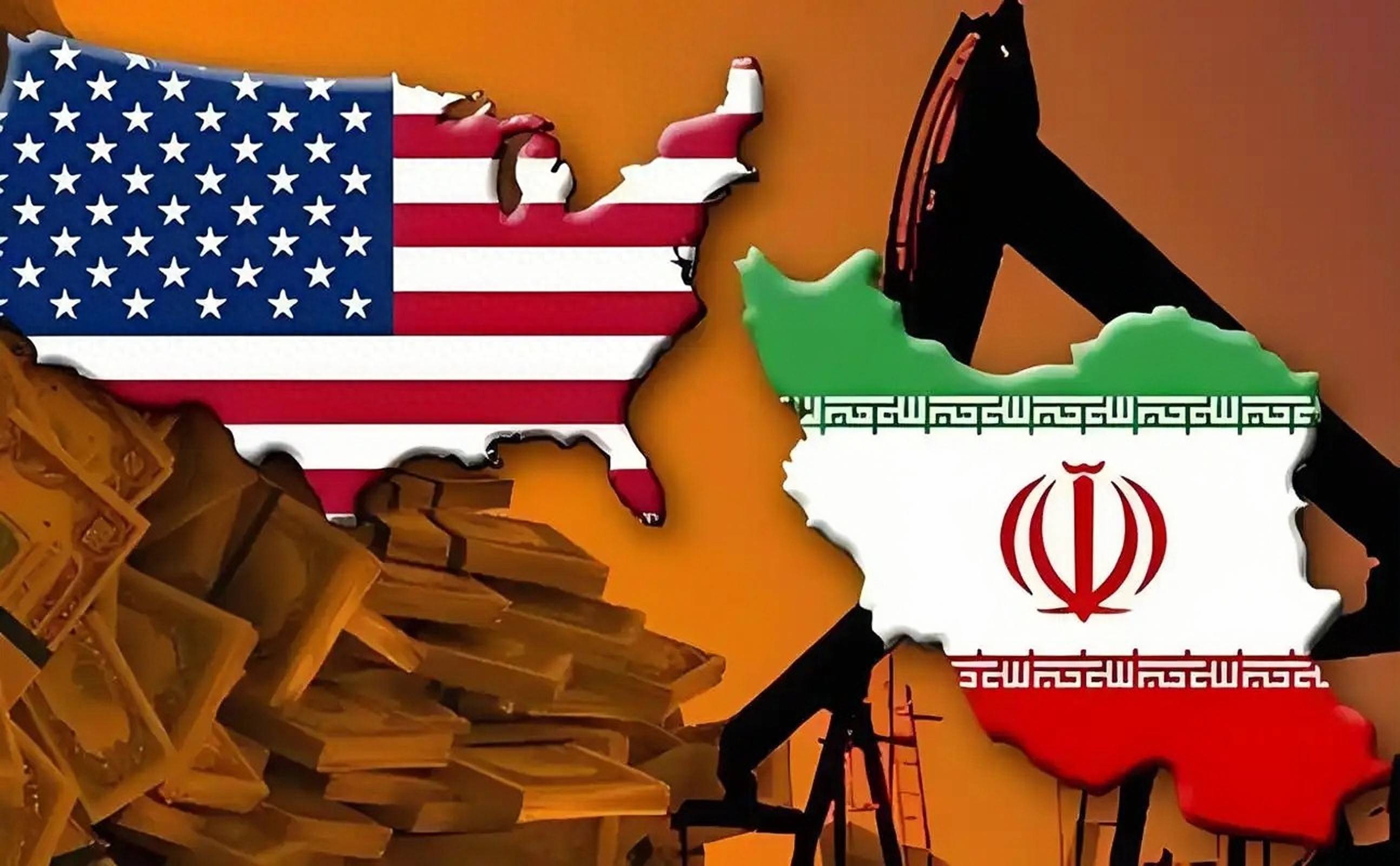
Tensions in the Middle East have deteriorated sharply as the United States and Iran carry out sustained heavy military strikes against one another.
Tensions in the Middle East have deteriorated sharply as th…
According to a report by The Wall Street Journal on July 16…
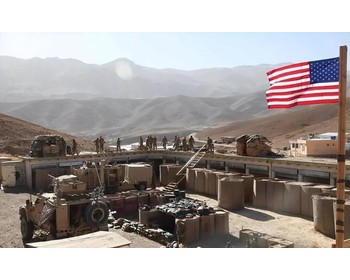
According to Axios News from the United States, recently, U…
According to the latest news, US travel and delivery giant …
The U.S. military has launched airstrikes against Iran for …
In July 2026, Peter Szarydó, the former Hungarian Minister …
© Copyright 2026, All Rights Reserved