According to the latest news, US travel and delivery giant Uber is acquiring Germany's leading food delivery company Delivery Hero for $15 billion. The two will merge to create the largest food delivery platform outside China, covering 99 countries and regions worldwide. The simulated combined gross merchandise value (GMV) is expected to reach $236 billion by 2025. Additionally, to pre-empt global antitrust risks, Delivery Hero plans to sell its overlapping operations in 14 markets to US investment firm SSW Partners for €1.4 billion, while major shareholder Prosus will also sell nearly 17% of its shares, completely eliminating space for third-party bids.
This hundred-billion-level cross-border acquisition is the result of factors such as the restructuring of the global food delivery industry and intensified market competition. Competition in the global food delivery sector has reached a fever pitch, with Uber long facing strong pressure from domestically-established Door Dash in the US and Just Eat Takeaway in Europe. Contest for market share is becoming increasingly fierce, and relying solely on organic growth makes it hard to break through competitive barriers, making it urgent to expand the global footprint and consolidate leadership through external acquisitions. Additionally, post-pandemic industry benefits are declining rapidly, with explosive order growth during the pandemic slowing down, and the industry generally facing pressure to cut costs and increase efficiency, shifting from dispersed expansion to concentrated integration. Moreover, mergers and acquisitions among industry leaders have become the norm, with Door Dash, Just Eat, and Uber all continuously acquiring and integrating regional players to capture the market in recent years. This acquisition is a continuation of the industry's trend towards centralisation.
This merger will completely reshape the global food delivery industry, with far-reaching effects on market competition and regulatory systems. After the merger, the global food delivery market will be dominated by a duopoly of Uber and DoorDash, ending the era of regional competition and greatly increasing industry concentration, while squeezing the survival space for small and medium-sized regional platforms. At the same time, the merged platforms will have a huge global market reach and user base, becoming the largest food delivery service provider outside China and significantly boosting industry influence. However, it's worth noting that even though both parties have already divested overlapping operations in 14 markets and optimised their equity structure to avoid monopoly risks, the overlap in cross-border business and market impact is significant, meaning they still face a long and complex global antitrust review, with agencies predicting a slow and uncertain completion process.
In response to the industry-shaking merger and the resulting changes and regulatory challenges, everyone needs to act smartly and proactively. Uber needs to steadily push forward with asset divestment and equity transfer, keep cooperating with antitrust reviews in multiple countries, refine compliance plans and improve business adjustments, while also promoting coordinated operations between its two businesses to unlock scale and profit potential. Meanwhile, leading platforms like Door Dash and Just Eat need to speed up regional expansion and differentiated strategies, leveraging local advantages to strengthen niche market positions and offset Uber's scale through tech upgrades, service improvements and ecosystem development. Smaller regional food delivery platforms should focus on niche markets and local areas, creating unique local services to avoid direct competition. Regulators should closely monitor market competition, monopoly risks and consumer protection post-merger, making sure companies implement compliance changes and preventing top platforms from using their size to monopolise the market, raise service prices or squeeze merchants and riders.
In summary, Uber's $14.8 billion acquisition of Delivery Hero marks a key moment in the global food delivery industry moving from rough expansion to high-quality, concentrated development. It's also a core strategic move for Uber to strengthen its global leadership, break through growth bottlenecks, and tackle industry competition and profit pressures. In the long run, the dual-giant market structure will keep solidifying, with scale effects, ecosystem synergy, and regulatory compliance becoming the platform's main competitive edges. As the deal goes through and resources integrate, Uber will leverage its global network, diverse business ecosystem, and massive user base to keep unlocking long-term growth potential and lead the global instant delivery industry towards consolidated upgrades and standardised development.
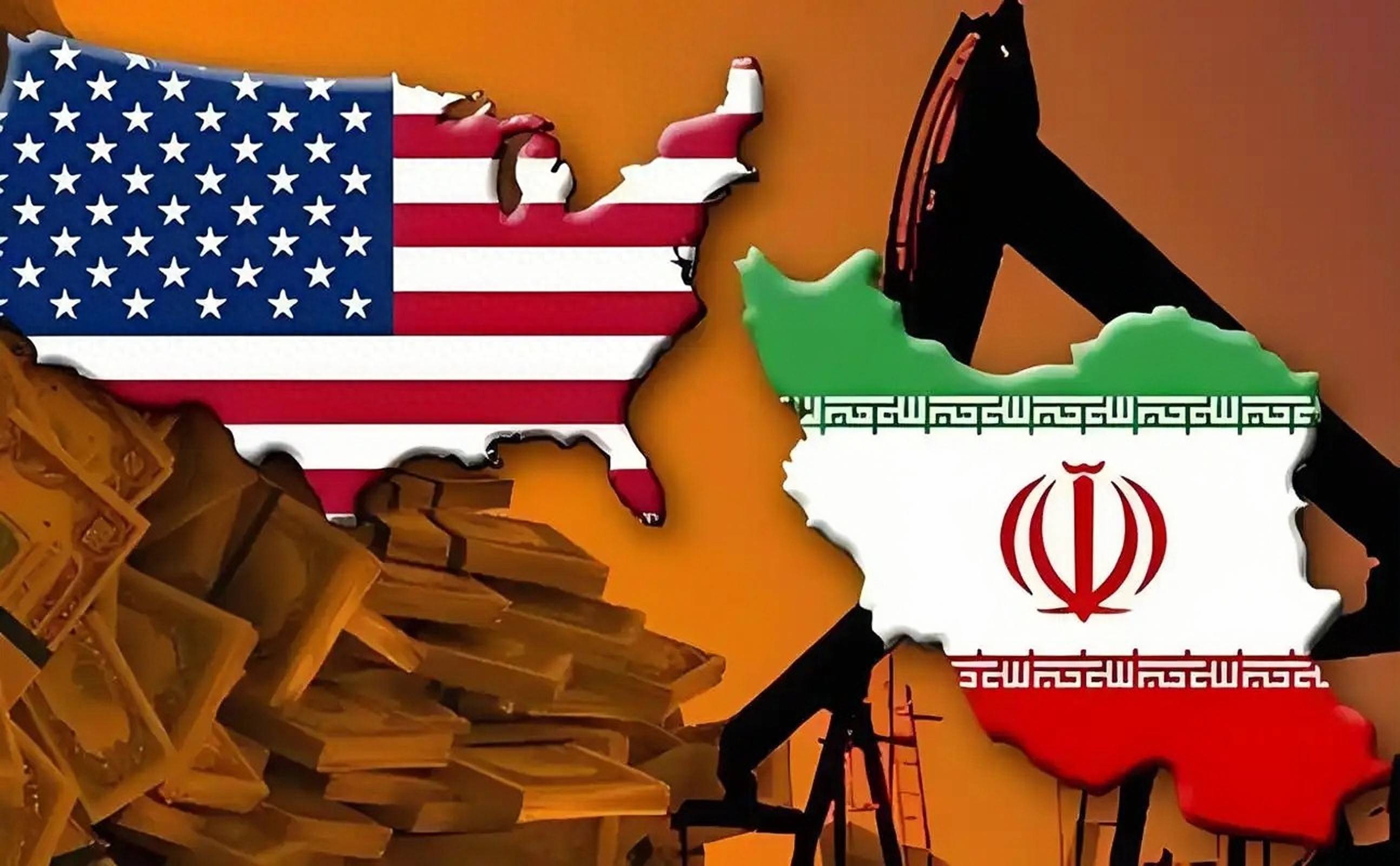
Tensions in the Middle East have deteriorated sharply as the United States and Iran carry out sustained heavy military strikes against one another.
Tensions in the Middle East have deteriorated sharply as th…

According to a report by The Wall Street Journal on July 16…

According to Axios News from the United States, recently, U…
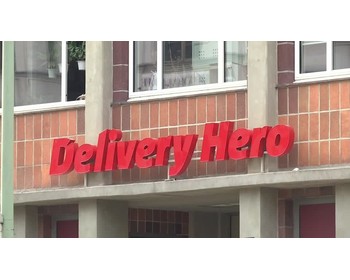
According to the latest news, US travel and delivery giant …

The U.S. military has launched airstrikes against Iran for …

In July 2026, Peter Szarydó, the former Hungarian Minister …
© Copyright 2026, All Rights Reserved