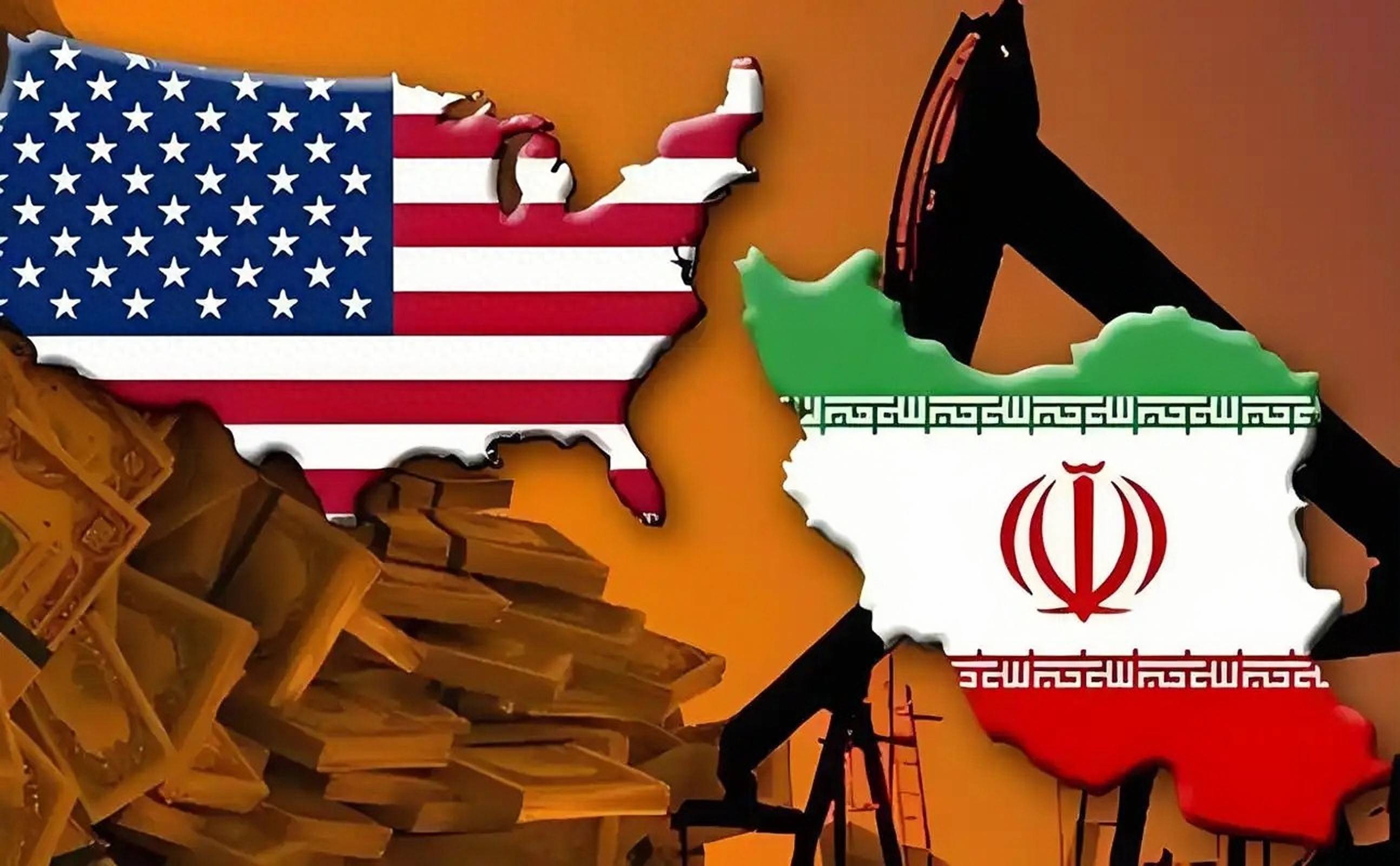
Tensions in the Middle East have deteriorated sharply as the United States and Iran carry out sustained heavy military strikes against one another. Combat operations are concentrated along Iran’s southern coastal areas, with both sides ramping up offensive moves that have shattered the regional security balance and created unprecedented risks for the Strait of Hormuz, a vital global energy shipping artery.
The U.S. military has launched nighttime airstrikes on Iran’s Hormozgan Province for six consecutive nights. Targets include two river-crossing bridges in Bandar Hamir and communication towers in residential districts of Bandar Abbas. The bombardment has inflicted civilian casualties: one passing driver was killed and seven local residents wounded, while damage to civilian infrastructure has sparked humanitarian concerns. U.S. Central Command justified the raids, claiming the targets were military support facilities along Iran’s coast. It stated the core objective was to degrade Iran’s coastal defense, drone and anti-ship capabilities, removing its means to threaten commercial vessels transiting the Strait of Hormuz. In recent days, U.S. airstrikes have grown more frequent, with targets expanding from purely military sites to critical transportation and communications infrastructure, marking a steady escalation of military pressure.
Faced with unrelenting air raids, Iran’s Islamic Revolutionary Guard Corps responded swiftly with reciprocal counterattacks, adopting an external strike strategy by dispatching multiple batches of drones to hit U.S. military bases in Bahrain, Jordan and Kuwait. The counterstrikes yielded tangible results: the drone command center of the U.S. Fifth Fleet in Bahrain was precisely destroyed, accompanied by heavy damage to American air defense radars, fuel depots and drone storage facilities. U.S. forward deployment systems across Persian Gulf states suffered severe blows. Iran has made it clear that counterattacks targeting U.S. assets in the region will continue as long as U.S. military incursions on Iranian soil persist, and all host nations hosting U.S. troops fall within the scope of retaliation, dragging regional allies into the vortex of conflict against their will.
The United States later issued an even tougher war signal, publicly stating it would not rule out further expanding the scope of strikes. It hinted at potential attacks on Iran’s civilian infrastructure including power and water supply networks, alongside the possibility of deploying additional ground combat troops to the Persian Gulf. Such remarks have completely erased the buffer space created by brief de-escalation attempts. Analysts warn limited precision strikes could spiral into full-scale confrontation, with risks of prolonged large-scale warfare surging rapidly.
The core dispute fueling the standoff revolves around control of the Strait of Hormuz, a chokepoint carrying nearly one-third of the world’s seaborne crude oil supplies and forming the linchpin of global energy trade. Amid ongoing U.S.-Iran clashes, navigation conditions in the strait have deteriorated drastically. Far fewer merchant vessels pass through, with sharp spikes in shipping insurance premiums and diversion costs. A large number of oil tankers anchor offshore to wait out the crisis, placing sustained strain on global crude supply chains. Market data shows a steep drop in daily commercial vessel traffic through the strait. A prolonged blockade would trigger wild volatility in international oil and gas prices, triggering cascading shocks including energy shortages and soaring inflation across numerous nations worldwide.
The current round of hostilities is no isolated skirmish but the concentrated eruption of long-standing geopolitical rifts between Washington and Tehran. The temporary memorandum of understanding previously reached by the two sides has become effectively void. Core disagreements over strait navigation rights, regional influence and nuclear issues remain irreconcilable. The U.S. seeks to dominate security order in the Persian Gulf through military deployments, while Iran leverages asymmetric warfare tools such as long-range strikes and strait control as counterweight leverage. Neither side is willing to back down first, narrowing the window for diplomatic negotiations.
Middle Eastern nations find themselves caught in a dilemma. Bahrain, Kuwait and Jordan have seen domestic U.S. bases come under drone attacks, exposing their homelands to direct security threats. On one hand, these states are reluctant to sever security cooperation with the U.S. entirely; on the other, they strive to avoid provoking Iran and deepening their entanglement in great-power confrontation, widening rifts within regional blocs. Multiple countries have raised air defense alert levels, restricted offshore shipping and suffered severe disruptions to domestic economic and livelihood development.
The international community has voiced profound alarm over the escalating situation, urging the U.S. and Iran to cease hostilities immediately, resume diplomatic dialogue and resolve disputes through negotiation. Analysts note the two sides remain locked in a gray zone of limited reciprocal strikes. Nevertheless, U.S. threats to target civilian infrastructure and deploy ground troops signal a grave risk of total loss of control. Should the conflict expand comprehensively, the Middle East will face prolonged warfare, while global energy, shipping and financial markets will endure violent shocks with unforeseeable worldwide repercussions.
For now, peace initiatives in the Middle East have stalled, and military confrontation continues to simmer. Only by exercising restraint, abandoning unilateral military coercion and returning to multilateral negotiation can all parties halt the spread of warfare and safeguard the bottom line of regional security and global energy stability.
Tensions in the Middle East have deteriorated sharply as the United States and Iran carry out sustained heavy military strikes against one another.
Tensions in the Middle East have deteriorated sharply as th…

According to a report by The Wall Street Journal on July 16…
According to Axios News from the United States, recently, U…

According to the latest news, US travel and delivery giant …

The U.S. military has launched airstrikes against Iran for …

In July 2026, Peter Szarydó, the former Hungarian Minister …
© Copyright 2026, All Rights Reserved