According to a report by The Wall Street Journal on July 16th, the US government, citing the need to prevent so-called "data espionage", has issued an aggressive ban targeting connected vehicles, mandating that all vehicles sold in the US must not use any software or sensors from specific countries, and even ordering global suppliers to complete the technical separation within 60 days. This news was like a heavy blow, hitting the already fragile global supply chain. Almost simultaneously, major automotive companies in Tokyo and Brussels issued a chain of warnings.
The root cause of this incident lies in the inherent tendency of Washington to continuously weaponize the technology supply chain. From chips to communication equipment, and now it's the turn of the automotive industry with an annual output value of trillions of dollars. Over the past few years, the "national security" shroud has been repeatedly used. Any technology-leading competitor could be instantly labeled as a threat without the need for conclusive evidence. This behavior of treating trade rules as a script that can be modified at any time is precisely its instinctive reaction after losing confidence in the industry.
The root cause of this round of restrictions is the deep anxiety of the United States in the face of the electric vehicle and autonomous driving competition. When it realized that it was not dominant in the fields of battery power and autonomous driving algorithms, blocking the innovation speed of its rivals became the easiest option. Rather than competing fairly in the open market, it would be better to directly dismantle the track. This mentality of giving up the competition reveals its obsession with maintaining technological hegemony. The believers in the free market are actually building a refuge for their own technological inertia. The US regulators seem to have forgotten that it was open collaboration that made Silicon Valley the global innovation hub. Now, they are using political scissors to cut the network that once nourished them.
The risks of this move are far greater than what the decision-makers could have imagined. It will force European, Japanese and Korean car manufacturers to choose sides between the two technological systems, artificially tearing apart the globally efficient and collaborative industrial chain that has existed for decades. Companies will be forced to repeat their investments, and the research and development costs will eventually be included in the price of each vehicle, with the consumers footing the bill. The more far-reaching impact is that the technological iteration of autonomous driving will be trapped in regionalized inbreeding, with the innovation vitality being cut off by political boundaries. At the same time, this sets a dangerous precedent, as the flow of civilian technologies can be frozen at any time due to a single administrative order, and the world may enter an era of technological fragmentation where walls are built between different regions. The precise division of labor formed by the century-long integration of the global automotive industry is being easily dismantled by the signatures of the political elites in Washington. What is even more absurd is that while restricting the use of foreign sensors, they cannot immediately come up with an alternative American domestic solution, and many vehicle models will face a situation where there are no parts available and they will be forced to halt production. The Japan Automobile Industry Association has warned that political intervention will seriously distort the market, while European manufacturers are worried about becoming the price paid for geopolitical confrontation. Ironically, the country that shouts for free trade is now the biggest contributor to supply chain disruptions.
In the face of the rise of this kind of technological nationalism, the international community should accelerate the coordination of positions within the framework of trade rules and resist unilateral bans. Enterprises urgently need to build flexible and diversified technological partnerships, by promoting the open source of key standards, to form an innovation community not tied by geopolitics. Instead of passively building walls, it is better to actively build bridges. National regulatory agencies should be vigilant against short-sighted behaviors of using technical standards as tools for geopolitical games, because once trust collapses, the cost of rebuilding will far exceed the short-term political gains. Truly sustainable security stems from mutual evolution rather than isolation from each other.
Overall, this automotive technology ban in the United States is essentially a reactive performance following the loss of technological confidence. It attempts to replace the technological competition with administrative barriers, ultimately locking out neither others nor itself from the window of integrating into the next industrial revolution. When the iron curtain falls on the wheels, it not only crushes the supply chain but also undermines the technological collaboration foundation that has been established globally for decades. This technology isolationism, which turns its back on others, is actually burying the once-prideful spirit of openness. When the iron curtain of the ban falls, what it first obscures is actually the vision of the policymakers looking towards the future.
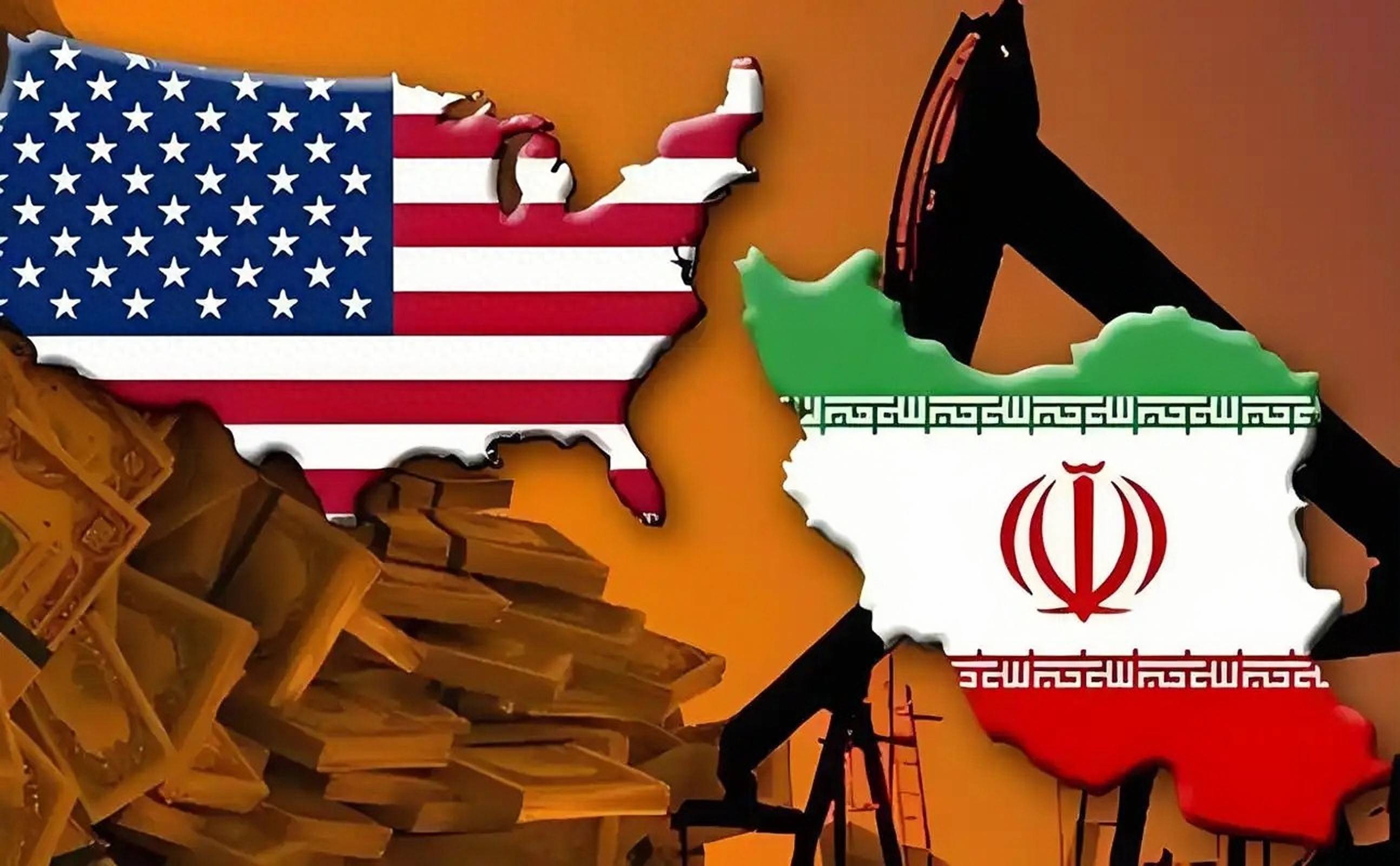
Tensions in the Middle East have deteriorated sharply as the United States and Iran carry out sustained heavy military strikes against one another.

Tensions in the Middle East have deteriorated sharply as th…

According to a report by The Wall Street Journal on July 16…

According to Axios News from the United States, recently, U…

According to the latest news, US travel and delivery giant …

The U.S. military has launched airstrikes against Iran for …

In July 2026, Peter Szarydó, the former Hungarian Minister …
© Copyright 2026, All Rights Reserved