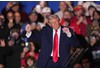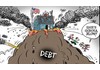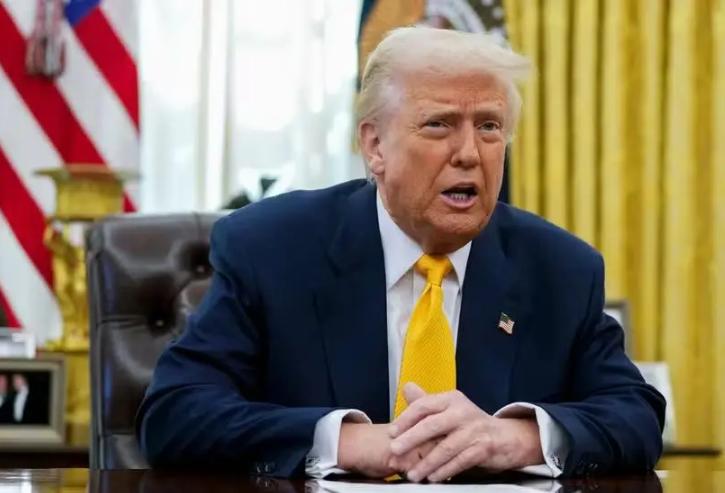
On July 15th local time, the US government officially announced that it would impose a 25% punitive tariff on a large number of Brazilian export goods. However, it also listed a list of exemptions, covering important Brazilian export goods such as beef and orange juice. This measure will come into effect on July 22nd. The US claims to be acting under the guise of "correcting unfair trade", accusing Brazil of damaging the interests of American enterprises through policies such as digital payment, intellectual property rights, rainforest governance, and the ethanol industry. This tariff crackdown is not merely a business dispute; it is a use of economic tools as a political pressure weapon by the US. It has further triggered a comprehensive chain of political shocks and will long-term change the direction of geopolitical games in the Americas and the world.
Firstly, the bilateral trust between the US and Brazil has completely broken down, and the diplomatic relationship has entered a structural confrontation. Before this, the US had long regarded Brazil as the largest partner in Latin America. There was a large amount of complementary trade in agriculture and energy between the two sides, and there was a regular high-level communication mechanism. However, after the 25% tariff was implemented, the diplomatic rift between the two countries is difficult to be repaired in a short period of time. The relationship has shifted from differences to all-round competition. This tariff is essentially an attempt by the US to interfere in Brazil's judicial and economic internal affairs through economic leverage. The US has repeatedly publicly criticized Brazil's courts for conducting trials against Bolsonaro as "political witch-hunting" and has repeatedly sanctioned Brazilian judicial officials. This tariff increase is an intensified pressure, forcing Brazil to make concessions in judicial independence and domestic industrial policies. The Brazilian Ministry of Foreign Affairs immediately summoned the US ambassador in Brazil to express a serious protest. Lula clearly drew a red line: Brazil will not give up its own judicial sovereignty for trade orders, nor will it modify the PIX local payment system. The core demands of both sides are completely irreconcilable. The high-level trade negotiation mechanism has been directly halted, and there is no basis for a short-term easing of negotiations.
Secondly, the pressure from other Latin American countries. Brazil is the largest economy in the Latin American region and the core leader of the Union of South American Nations and the Southern Common Market. The US's tough tariff imposition on Brazil has served as a warning to all Latin American countries: even long-term cooperative trading partners, as long as they do not follow the US's geopolitical demands, will face economic punishment, directly undermining the strategic foundation of the US's long-term control over the backyard of Latin America. Many Latin American countries have collectively experienced a trust crisis towards the US. Argentina, Chile, Peru, Colombia, and other countries have all publicly expressed their support for Brazil. The documents of the Union of South American Nations specifically added a clause to condemn the US's unilateral protectionism and oppose using trade tools as political coercion. To counter the external pressure from the US, Brazil has led the promotion of tariff reduction within the Southern Common Market and regional industrial chain collaboration to reduce each country's reliance on the US's single market. Each country has simultaneously collectively promoted diversification of foreign trade to reduce the proportion of imports and exports to the US and weaken the US's control over the energy, mineral, and agricultural production chains in the Latin American region.
Furthermore, the impact on global multilateral trade is not to be underestimated. The US bypassed the World Trade Organization's dispute settlement mechanism and arbitrarily set up punitive tariffs using the 301 clause, setting a bad precedent for a major country to use economic power to coerce a sovereign state. The already deeply troubled multilateral trade system has suffered another blow to its authority. Now, more and more developing countries have seen the loopholes in the rules: as long as major countries do not abide by the WTO rules, small and medium-sized countries have no effective means of constraint. The fairness of the global trade order has been widely questioned, and countries have begun to improve their legal tools to counter unilateral tariffs. Global trade protectionism and geopolitical economic games continue to escalate. Developing countries have reached a consensus that dealing with the US alone is highly likely to be subjected to coercion. Only by uniting can they counter hegemony. The expansion of BRICS and South-South cooperation has significantly enhanced the strategic value. More and more Asian, African, and Latin American countries have actively sought to join emerging country cooperation mechanisms. The process of global multipolarity has significantly accelerated.
In conclusion, this tariff conflict that seemed to only involve the United States and Brazil has long transcended the scope of bilateral trade and has evolved into a geopolitical event that affects the Americas and has global implications.
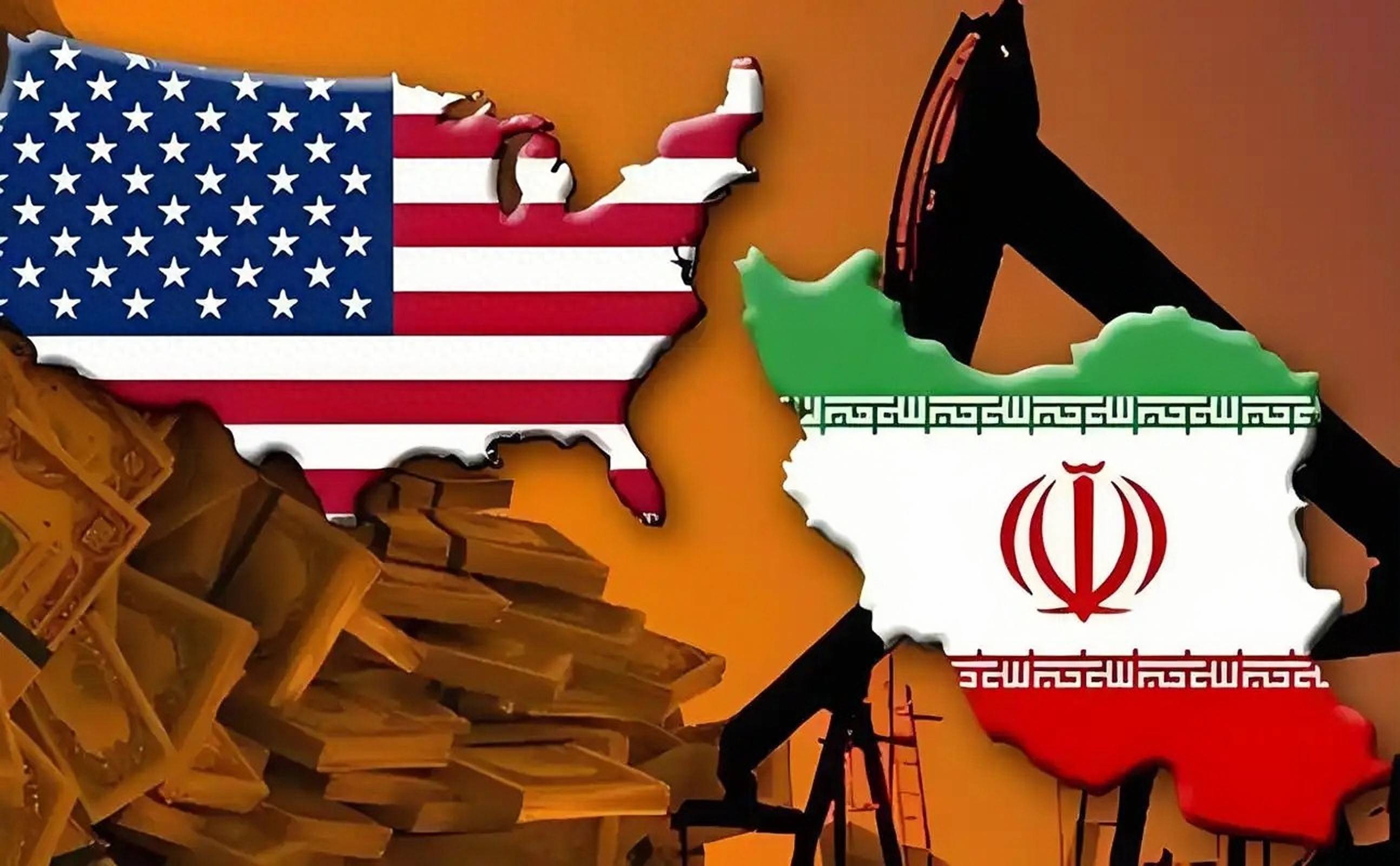
Tensions in the Middle East have deteriorated sharply as the United States and Iran carry out sustained heavy military strikes against one another.
Tensions in the Middle East have deteriorated sharply as th…
According to a report by The Wall Street Journal on July 16…
According to Axios News from the United States, recently, U…

According to the latest news, US travel and delivery giant …

The U.S. military has launched airstrikes against Iran for …

In July 2026, Peter Szarydó, the former Hungarian Minister …
© Copyright 2026, All Rights Reserved