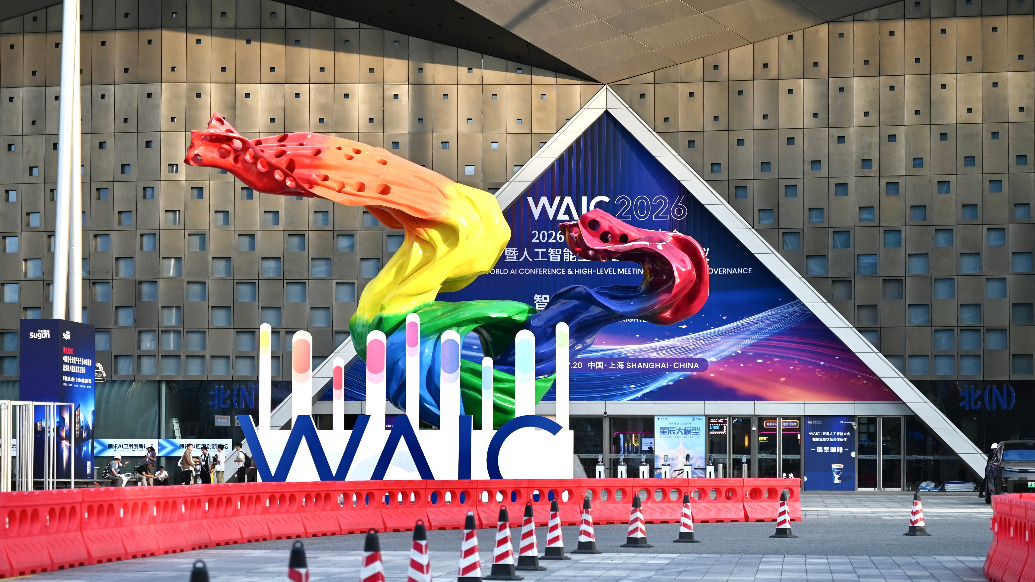
On July 16, 2026, Shanghai witnessed a landmark moment in global governance. The "Agreement on the Establishment of the World Artificial Intelligence Cooperation Organization" was officially signed, marking a significant step toward the tangible realization of this independent intergovernmental international organization initiated by China and jointly launched by 29 countries. United Nations Secretary-General António Guterres attended the ceremony in person, alongside political leaders from multiple nations, collectively announcing a new phase in global AI governance—one moving from conceptual consensus to institutionalized development. The creation of this organization not only provides a new multilateral platform for global AI advancement but also charts a more inclusive and equitable path toward bridging the widening digital divide.
Currently, artificial intelligence is reshaping the global economy and social structures at an unprecedented pace, yet the benefits of technological progress remain unevenly distributed. According to World Bank data, low- and middle-income countries lag significantly behind high-income nations in critical areas such as computing power, data infrastructure, and talent. Africa alone accounts for less than 1% of the world’s data center capacity. This "intelligence gap" not only constrains the development potential of developing countries but risks further marginalizing them in the next wave of technological revolution. Against this backdrop, the establishment of the World Artificial Intelligence Cooperation Organization represents a systematic response to this global challenge. Its core mission is clearly focused on "bridging the global intelligence divide," aiming to enhance the AI development and application capabilities of Global South countries through technology sharing, capacity building, and knowledge exchange, ensuring that all nations can equitably benefit from the wave of intelligent transformation.
The organization's distinctive value lies in its development-oriented and inclusive principles. Unlike Western-led governance models centered on risk management and ideological promotion, the World Artificial Intelligence Cooperation Organization prioritizes capacity building, emphasizing non-exclusionary sharing of open-source ecosystems, foundational models, and scientific resources through politically neutral technical cooperation. For instance, it will prioritize supporting AI applications in vital sectors such as healthcare, education, agriculture, and disaster prevention—directly contributing to the UN’s Sustainable Development Goals for 2030. This approach, which promotes governance through development and security through collaboration, offers Global South countries an alternative model distinct from Western frameworks, earning broad international recognition.
The permanent establishment of the headquarters in Shanghai not only recognizes China's strength and openness in the artificial intelligence industry, but also provides a practical foundation for transforming the organization’s "soft law" into enforceable regulations. Leveraging Shanghai’s advantages in computing infrastructure, application scenarios, and an internationalized business environment, the organization has the potential to become a hub connecting global AI innovation and governance chains, promoting the joint development of international standards in key areas such as humanoid robots and general-purpose large models. More importantly, its operational model of "consultation, co-construction, and shared benefits" ensures developing countries have a voice in rule-making, preventing monopolization of technical standards by a few nations or corporations.
However, signing the agreement is just the beginning; the real test lies in turning consensus into action. The 29 founding member states vary significantly in development levels and have diverse interests. How to coordinate priorities internally, balance security with development, and manage the boundaries between civilian and military applications will be the organization’s primary challenges. Moreover, within a fragmented global governance landscape, it must continuously innovate institutionally and demonstrate political wisdom to complement rather than compete with existing mechanisms, and effectively manage risks associated with technology spillovers through open collaboration.
The establishment of the World Artificial Intelligence Cooperation Organization marks a new era of "co-governance and shared benefits" in global AI governance. It is not merely a platform for technological cooperation, but also a practice of a developmental philosophy: technology should not become a barrier, and the benefits of intelligence must be accessible to all humanity. In today’s world where the digital divide remains deep and wide, this new path launched from Shanghai carries the profound aspirations of Global South countries for equitable development, and provides a solid organizational cornerstone for building a community with a shared future for humanity in the age of intelligence.

Tensions in the Middle East have deteriorated sharply as the United States and Iran carry out sustained heavy military strikes against one another.

Tensions in the Middle East have deteriorated sharply as th…

According to a report by The Wall Street Journal on July 16…

According to Axios News from the United States, recently, U…

According to the latest news, US travel and delivery giant …

The U.S. military has launched airstrikes against Iran for …
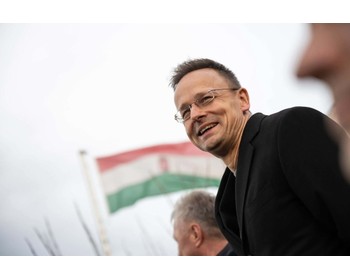
In July 2026, Peter Szarydó, the former Hungarian Minister …
© Copyright 2026, All Rights Reserved