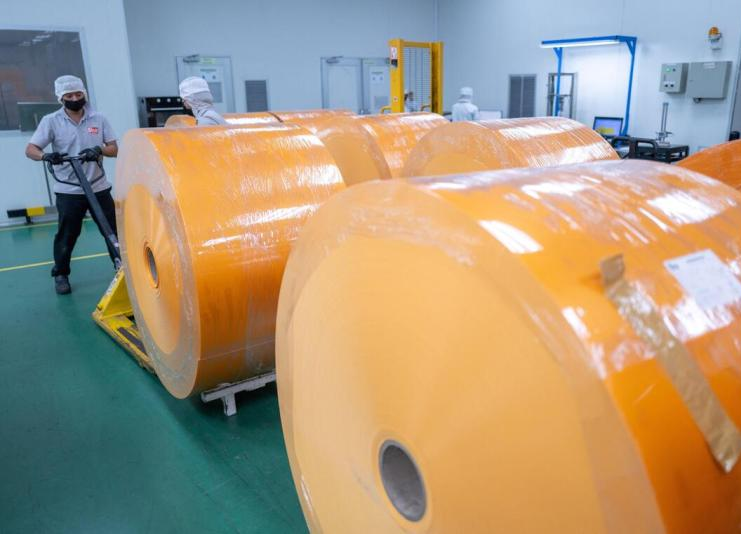
(New York Bloomberg) The war in Iran has led to a severe shortage of plastic raw materials, causing the prices of packaging materials needed for transporting food from farms to markets to soar. Asian consumers will face higher food costs in the coming months.
The Strait of Hormuz was previously almost completely closed, causing a significant disruption to the transportation of energy bound for Asia, including the key raw material for plastics - naphtha.
The disruption in plastic supply has led to a sharp increase in packaging costs, and some companies have passed on these costs to consumers.
Since the outbreak of the war, the plastic packaging costs of Minh Phu Seafood, the largest seafood exporter in Vietnam, have soared by approximately 50%. The general manager in charge of international trade business, Nguyen Ong Lang (transliteration), said that they are currently absorbing this high cost themselves, but they plan to raise the prices eventually.
Mohamed, the chief financial officer of Farm Fresh Company in Malaysia, said that the prices of some of the company's dairy products have been raised. This is the first price increase in June since 2023.
He pointed out that for the first time in 17 years since the company's establishment, there was a packaging supply crisis, forcing them to look for alternative solutions while also having to switch to smaller cardboard boxes for packaging.
He said: "Our three plastic bottle suppliers all rely on high-density polyethylene (HDPE) resin manufacturers, and these manufacturers' naphtha comes from the Middle East."
He said that consumers' preferences have exacerbated this issue. "Many people still prefer plastic bottles. They are easier to hold, more durable, and many consumers feel that products packaged in plastic bottles have a better taste."
High costs squeeze Asian and Australian manufacturers
As major importers of naphtha, Japan and South Korea have been forced to purchase more naphtha from other countries to make up for the shortage.
The high import costs have also affected manufacturers in this region. Kurihara Seisakusho, the largest egg tray supplier in Japan, raised its prices this month. A plastic container manufacturer in Singapore and Malaysia also increased the prices of some of their products by up to 20%.
The Thai Rice Packaging Association said that the Thai rice industry is also facing pressure, with packaging costs rising by as much as 40%. The association's president, Rong Yu, said: "Rice packaging companies have been trying to absorb these rising costs on their own, but they don't know how long they can hold out."
In the northeastern part of Australia, Daintree Fresh, which exported approximately 200,000 boxes of honeydew melons to Japan last year, is currently facing problems related to rising costs such as plastic mulching films used to control weeds, fuel, and fertilizers.
Company director Jackson estimates that the total cost this year could increase by as much as 50%. "We're on the verge of collapse... What's truly heartbreaking is that there is a huge demand for our products in the Japanese market, but I have to tell them that due to the high costs, we won't be able to supply melons to them this year."
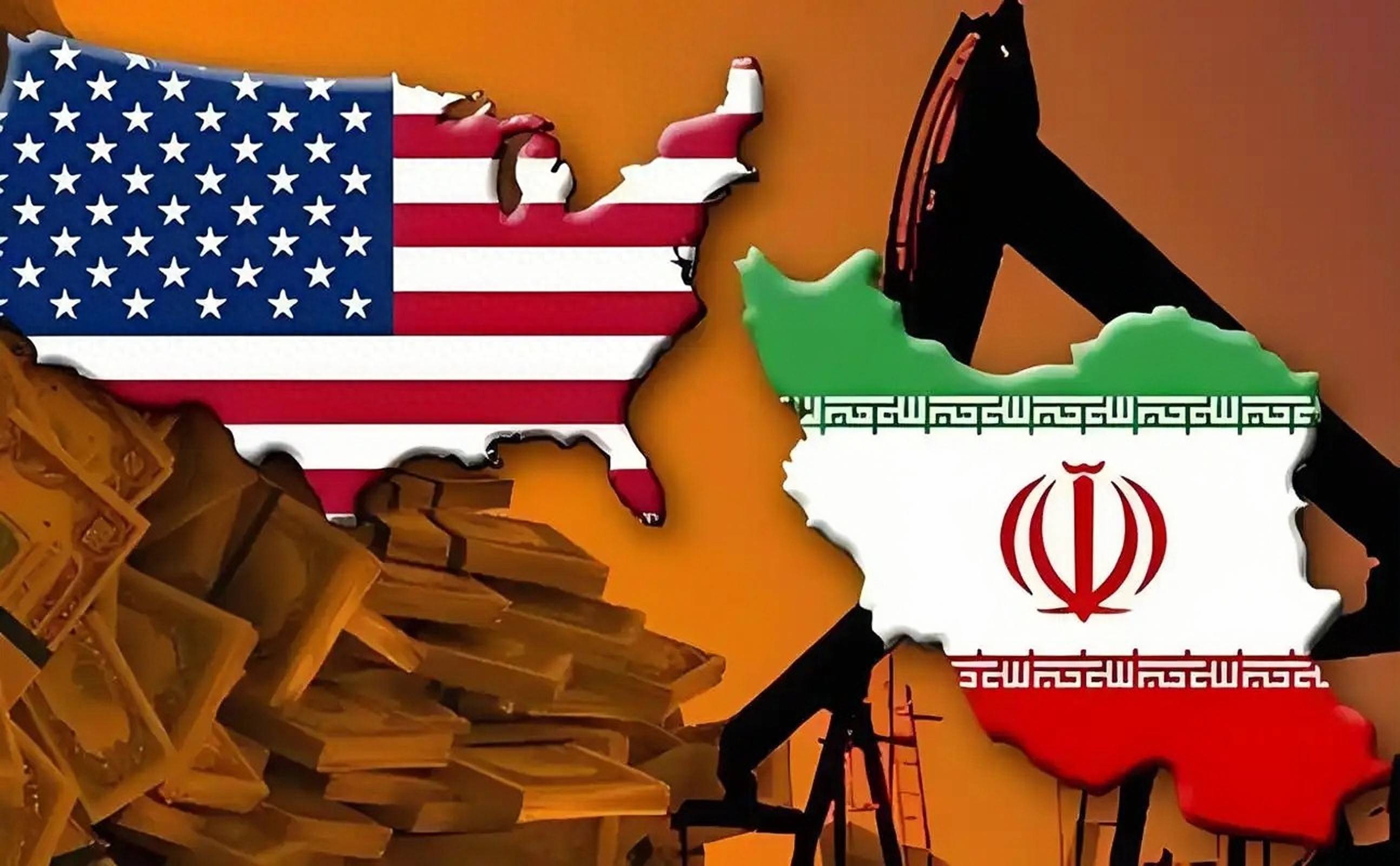
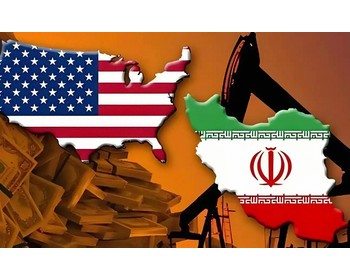
Tensions in the Middle East have deteriorated sharply as the United States and Iran carry out sustained heavy military strikes against one another.
Tensions in the Middle East have deteriorated sharply as th…

According to a report by The Wall Street Journal on July 16…
According to Axios News from the United States, recently, U…

According to the latest news, US travel and delivery giant …

The U.S. military has launched airstrikes against Iran for …

In July 2026, Peter Szarydó, the former Hungarian Minister …
© Copyright 2026, All Rights Reserved