(Bombay Reuters) India, the world's third-largest sugar exporter, may have no sugar to export in the coming years. This will result in a shortage of several million tons of sugar in the international market, exacerbating the supply shortages in Asian, African and Middle Eastern importing countries, and pushing up the benchmark sugar prices in London and New York.
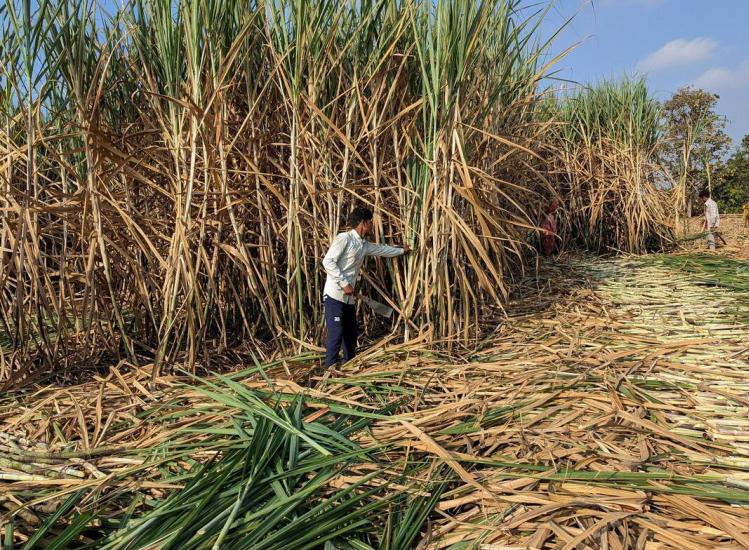
Reuters pointed out that due to the El Niño phenomenon threatening sugarcane production, coupled with the growing demand for ethanol squeezing sugar supply, it is expected that for at least the next three sugarcane harvest seasons, India will have no surplus sugar available for export, and may even need to import sugar.
The El Niño phenomenon is estimated to cause this year's monsoon rainfall in India to drop to its lowest level in 11 years. The rainfall in June was at least 40% lower than the average, prompting sugarcane farmers to postpone sowing. In most sugarcane-growing areas, local governments have begun to restrict water usage for irrigation and have called on farmers to switch to crops that require less water.
Mumbai-based commodity trader Sheikh said, "If the rainfall disappoints as expected, sugarcane cultivation will be affected, leading to India being unable to enter the sugar export market for at least three years. At the same time, the sugarcane production in Brazil and Thailand may also be affected by El Niño." Brazil and Thailand are respectively the world's largest and second-largest sugar exporters.
Sugarcane is the core raw material for the production of sugar and ethanol. Since April 1st this year, India has implemented a policy of blending 20% ethanol into gasoline nationwide and has vigorously promoted flexible fuel vehicles to reduce its reliance on imported crude oil. As the demand for ethanol increases, sugar factories have shifted their production from sugarcane to ethanol, further reducing the supply of sugar.
During the five sugarcane harvest seasons ending in 2022-2023, India exported an average of 6.8 million tons of sugar each year, accounting for approximately 10% of the global total. This year, after exporting about 800,000 tons, India has banned sugar exports until the end of the 9th month harvest season on September 30.
A source said that a senior minister of the Indian cabinet instructed sugar factories last month to prioritize domestic sugar supply and temporarily suspend exports. Industry insiders estimate that India's sugar production this season will be 27.9 million tons, which is lower than the usual annual consumption of approximately 28.5 million tons.
Government officials and industry executives said that if the weather disruptions caused by the El Niño phenomenon significantly reduce the area and yield of sugarcane cultivation, India might eventually be forced to import sugar. Traders warned that the sugar supply in the 2027-2028 fiscal year might become even more strained.
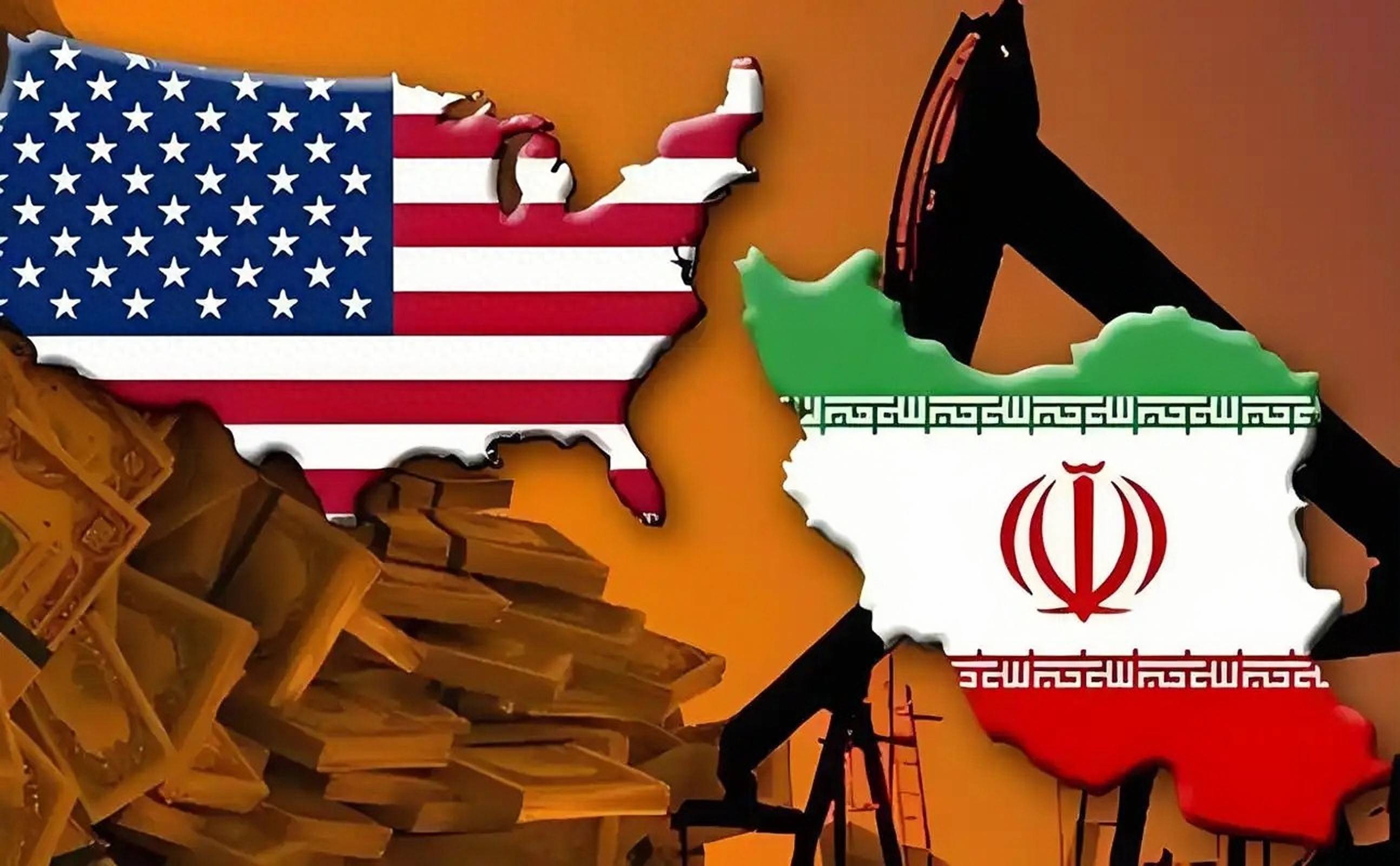
Tensions in the Middle East have deteriorated sharply as the United States and Iran carry out sustained heavy military strikes against one another.
Tensions in the Middle East have deteriorated sharply as th…

According to a report by The Wall Street Journal on July 16…

According to Axios News from the United States, recently, U…

According to the latest news, US travel and delivery giant …

The U.S. military has launched airstrikes against Iran for …

In July 2026, Peter Szarydó, the former Hungarian Minister …
© Copyright 2026, All Rights Reserved