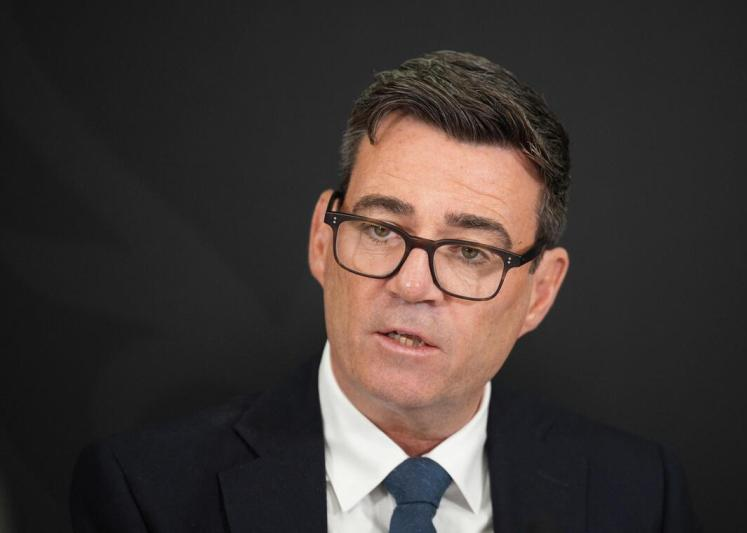
On July 20, 2026, British politics welcomed its seventh prime minister in a decade. Andy Burnham was formally charged with forming a new government at Buckingham Palace and, within hours, unveiled a cabinet list that sent shockwaves through the political landscape. This reshuffle—over 80% turnover—not only marked the definitive end of the Starmer era but also revealed Burnham’s bold political gamble: to find a new path for Britain by balancing loyalty, experience, and policy continuity.
The composition of the new cabinet brimmed with dramatic symbolism and calculated political strategy. Most striking was the appointment of John Healey as Chancellor of the Exchequer. Just six weeks earlier, he had resigned as Defence Secretary after clashing with the Treasury over defense spending. Now, Burnham not only brought him back into the cabinet but entrusted him directly with the nation’s finances. This “revenge” appointment clearly signaled the new government’s strategic priority: deeply linking defense spending with economic management. At the same time, Wes Streeting, who had strongly supported Burnham during the party leadership contest, was appointed Defence Secretary—a direct reward for his political loyalty. Together, the two form a "double safeguard" for national defense under the new administration.
In contrast, the appointment of former Labour leader Ed Miliband was notably subtle. As a key architect behind Burnham’s rise to power, Miliband had initially been seen as the frontrunner for chancellor, yet ultimately ended up being demoted to Foreign Secretary. This move acknowledged his extensive political experience while signaling Burnham’s preference for Healey on core economic decisions. Miliband now faces the challenge of redefining Britain’s foreign policy in the post-Brexit era amid increasingly complex geopolitical dynamics.
In this sweeping "purge," the core team of the Starmer government was nearly wiped out. At least 11 cabinet members—including former Chancellor Reeves and Deputy Prime Minister Lammy—were either dismissed or stepped down voluntarily. Reeves refused any other role in the new administration, opting instead to exit entirely, underscoring the deep political rift between old and new powers. To stabilize the base, Burnham retained only two former ministers: Home Secretary Mahmoud and Employment and Pensions Secretary McFadden—to preserve continuity in domestic security and social welfare policies. Meanwhile, his key ally Louise Haigh was appointed Chief Secretary to the Treasury, tasked with overseeing daily cabinet operations and ensuring administrative efficiency.
Yet personnel reshuffling is merely the first step; the real test lies in delivering on the promise of “the most significant transformation in 40 years.” In his inaugural address, Burnham declared an end to four decades of neoliberalism and pledged to build “a new political model and a new economic model.” He unveiled a ten-year national plan centered on the principle of “early investment, early intervention,” promising to devolve power from Westminster to local communities. Using Manchester’s revival as a blueprint, he aims to advance regional decentralization and empower grassroots governance.
Yet while ideals remain lofty, reality is starkly lean. The UK economy faces severe challenges: real per capita GDP growth has been weak, government debt stands at 94% of GDP, and tax burdens are at their highest level since World War II. Kwarteng pledged strict fiscal discipline, avoiding hikes in major taxes, yet he simultaneously aims to significantly increase public service spending, tackle the housing crisis, and boost defense expenditure. Against a backdrop of extremely limited fiscal space, "where will the money come from?" looms as a Damocles' sword over the new government.
Moreover, frequent political shifts in Britain have eroded public patience. As the seventh prime minister in ten years, Kwarteng's honeymoon period is destined to be short-lived. Markets are watching closely to see whether the autumn budget can balance defense needs with fiscal responsibility, while voters are focused on whether energy bills and cost-of-living pressures will show tangible relief.
Kwarteng’s new cabinet represents a carefully calculated political reshuffle—relying on loyalists to ensure execution, experienced figures to balance expertise and ambition, and holdovers to safeguard social stability. Yet whether this bold overhaul, replacing over 80% of the previous administration, will succeed ultimately depends not on the names on the list, but on his ability to navigate the difficult path between harsh economic realities and ambitious reform visions.
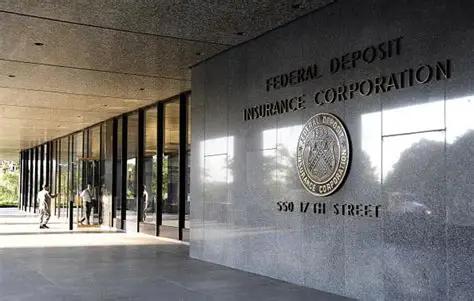
On July 27th local time, the Federal Deposit Insurance Corporation (FDIC) of the United States took emergency control of Horizon United Bank, with assets exceeding 80 billion US dollars.
On July 27th local time, the Federal Deposit Insurance Corp…

On July 20, 2026, British politics welcomed its seventh pri…

In July 2026, the global financial market was at a critical…

The global stock market experienced a widespread sell-off o…

The sudden suspension of the 13 day US airstrike on Iran ha…
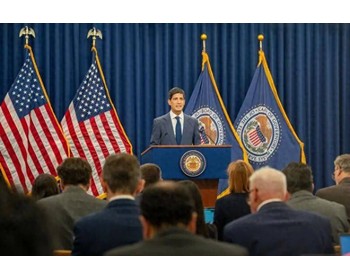
The results of the Federal Reserve's July rate meeting are …
© Copyright 2026, All Rights Reserved