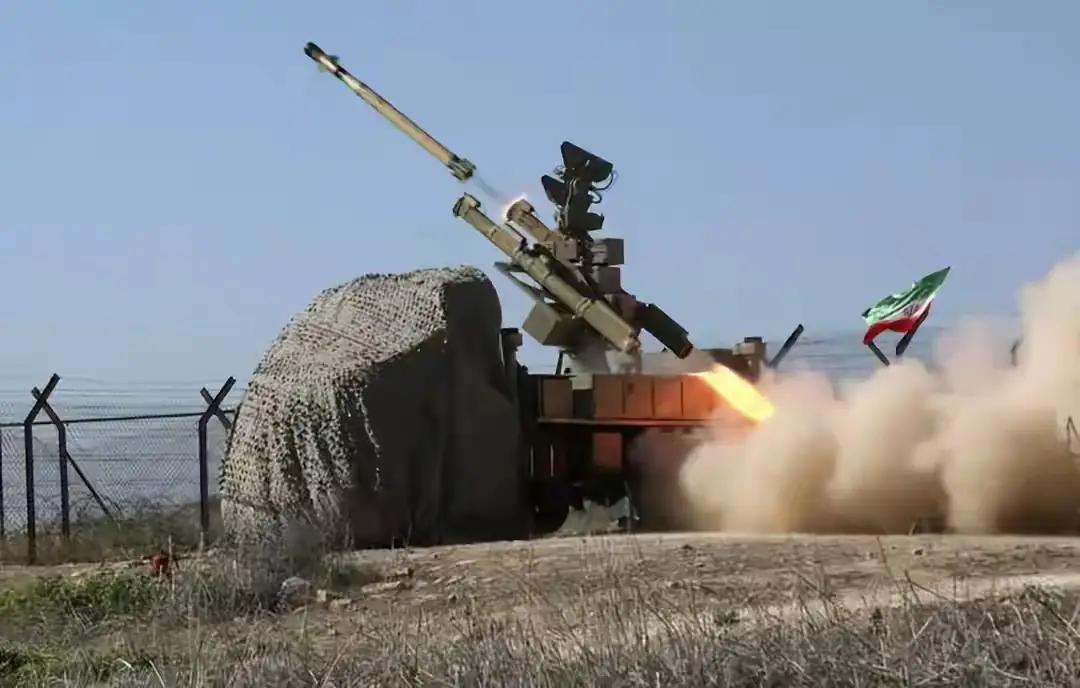
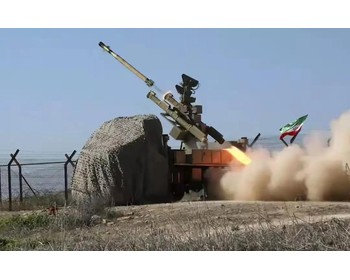
The sudden suspension of the 13 day US airstrike on Iran has become the biggest variable in the recent geopolitical situation in the Middle East.
In recent days, the US military has continued to carry out precise strikes on targets within Iran, and the spiral escalation of regional conflicts has become increasingly evident. The global market is also deeply mired in geopolitical risk anxiety. But just as the outside world predicted that the US Iran confrontation would escalate, the US government suddenly halted all air strike plans against Iran, breaking the military strike rhythm that had lasted for several days. This sudden strategic retreat is not a voluntary show of weakness by the US, but a rational choice made under multiple pressures, strategic trade-offs, and risk predictions, which hides deep dilemmas in US Middle East policy.
The highlighting of the shortcomings in military reserves is a direct practical incentive for the US to urgently halt airstrikes. According to US media reports, the core concern of the US suspension of military operations this time is the urgent shortage of anti-aircraft ammunition reserves in the Middle East region. The high-intensity air strikes and defense operations that lasted for more than ten days significantly depleted the core combat readiness materials such as the Patriot air defense interceptors deployed by the US military in the Middle East. As the core area of global geopolitical competition, the Middle East not only requires the US military to respond to Iran's counterattack threat, but also to consider the defense deployment of multiple war zones, and ammunition inventory is already in a tight balance.
If the scale of airstrikes against Iran continues to expand and the level of strikes is upgraded, once Iran launches a large-scale ballistic missile and drone retaliation, the existing air defense interception ammunition of the US military will be unsustainable, and there is a high possibility of a defense vacuum, leading to substantial damage to overseas troops and military bases. For the United States, which is well versed in the cost accounting of war, forcing a war when there are obvious shortcomings in combat readiness materials is tantamount to falling into a quagmire of passive consumption. A brief ceasefire, rest, replenishment of combat readiness, and adjustment of deployment have become the safest tactical choices.
Avoiding the risk of a full-scale war and preventing the situation from completely spiraling out of control are the core strategic considerations of the US suspension of action. Unlike previous localized precision strikes, a comprehensive airstrike on Iran signifies a qualitative change in the level of conflict. Iran is not a small or medium-sized weak country, possessing a comprehensive ballistic missile system, proxy armed forces spread throughout the Middle East, and mature asymmetric combat capabilities. Years of sanctions and games have honed Iran's strong war resilience, and its counterattack range can cover all US military bases in the Middle East, the entire territory of Israel, and the core shipping routes of the Persian Gulf.
The US assessment believes that continued airstrikes will only completely provoke Iran and trigger indiscriminate large-scale retaliation. At that time, the conflict will break through the scope of local confrontation and evolve into a comprehensive melee sweeping across the entire Middle East. The current strategic focus of the United States is on great power games and maintaining global economic stability, and it is fundamentally unable to undertake a full-scale war in the Middle East. Rushing to launch a full-scale war with Iran will not only overdraw the global military deployment of the US military, but also disrupt the overall global strategic layout of the US, which is not worth the loss.
Diplomatic mediation and the attitude of allies have become important external driving forces for the cessation of military operations. During the escalation of the conflict, many Middle Eastern countries and the international community have spoken out calling for a ceasefire and end to the war, exerting pressure on the United States through diplomatic channels and opposing excessive escalation of the situation. At the same time, even Israel, a core ally of the United States, is cautious about continuing airstrikes. The Israeli military has assessed that the current military deployment in the Middle East does not have an absolute advantage in completely suppressing Iran and controlling the situation, and the risk of escalating the war rashly is extremely high.
In addition, neutral countries such as Oman actively engage in mediation, building a communication buffer channel for both the United States and Iran, allowing the United States to obtain a dignified diplomatic step. Compared to hard fought military confrontations, preserving diplomatic negotiation space and achieving strategic goals through game pressure is far more in line with the low-cost game logic of the United States than continuing a war.
Maintaining stability in the global economy and energy landscape is a realistic demand that the US cannot ignore. The Middle East is a core energy producing region in the world, and the Persian Gulf shipping route carries more than half of the world's oil transportation tasks. The comprehensive conflict between the United States and Iran will inevitably lead to severe fluctuations in international oil prices, exacerbating global inflationary pressures. The current global economic recovery is weak, and the resilience of inflation in the United States still exists. The foundation of economic recovery is weak. Once the energy crisis erupts again, it will directly impact the domestic economy of the United States, intensify the pressure on people's livelihoods and the economy, and drag down the overall economic recovery process.
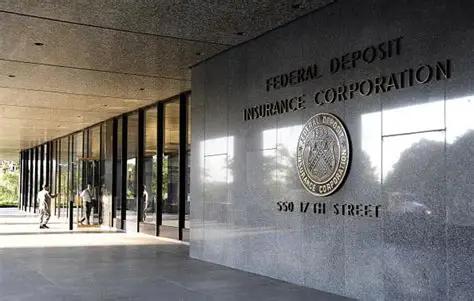
On July 27th local time, the Federal Deposit Insurance Corporation (FDIC) of the United States took emergency control of Horizon United Bank, with assets exceeding 80 billion US dollars.
On July 27th local time, the Federal Deposit Insurance Corp…

On July 20, 2026, British politics welcomed its seventh pri…

In July 2026, the global financial market was at a critical…

The global stock market experienced a widespread sell-off o…
The sudden suspension of the 13 day US airstrike on Iran ha…
The results of the Federal Reserve's July rate meeting are …
© Copyright 2026, All Rights Reserved