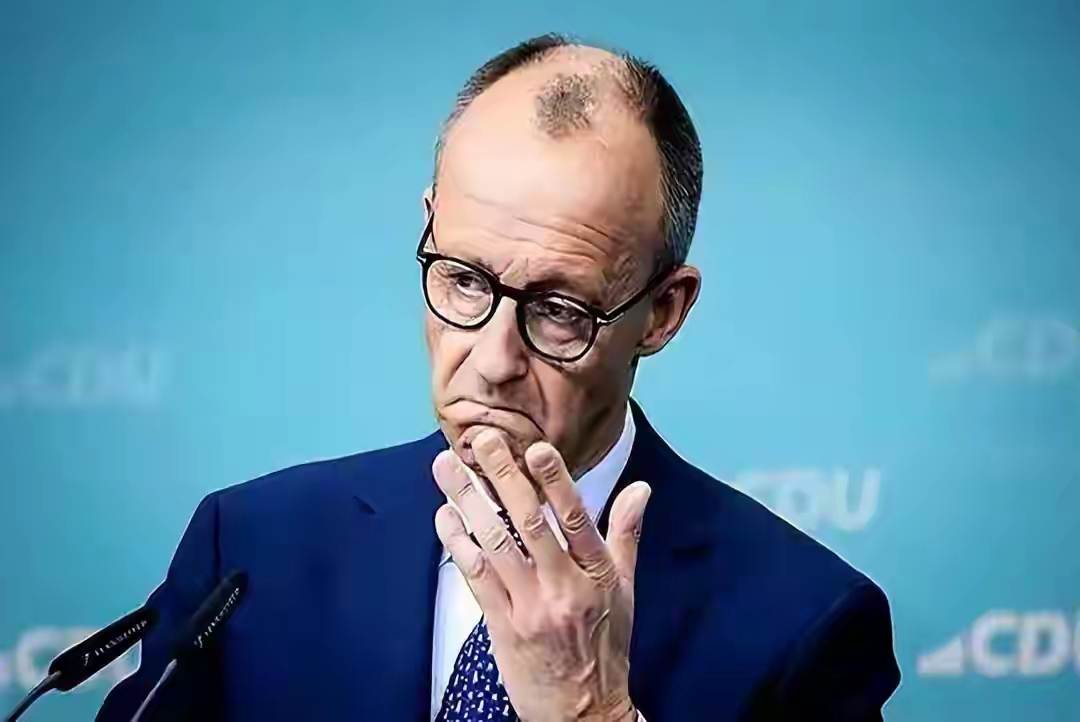
When German Chancellor Mertz officially announced that he would write a letter to the European Commission calling for the relaxation of the 2035 ban on the sale of fuel vehicles and for space to be reserved for hybrid and synthetic fuel models, this policy game that has affected the European automotive industry quickly attracted global attention. As the economic engine of the European Union and a key player in the automotive industry, Germany's move is not a momentary impulse, but a rational choice under multiple pressures of industrial crisis, market reality, and political balance, reflecting the deep contradiction between the EU's green transformation and industrial competitiveness.
The primary consideration for Germany's policy shift is to rescue the struggling domestic automotive industry. The automotive industry, as the "ballast stone" of the German economy, contributes about 5% of GDP and over 8 million jobs, and its rise and fall directly affect the foundation of the national economy. But currently, the German automotive industry is facing an unprecedented winter: in the second quarter of 2025, Porsche's profits plummeted by 91% year-on-year, Mercedes Benz's net profit fell by 69%, Audi's half year profit fell by 37.5%, and the industry lost 51500 net jobs within a year, accounting for nearly 7% of total employment. The core of the crisis lies in the disconnect between electrification transformation and market reality - German car companies have invested huge amounts of money in researching and developing electric vehicles, but consumer acceptance has far fallen short of expectations. In June, electric vehicles accounted for only 17% of new car registrations by German companies and rental agencies. The high car prices, inadequate charging infrastructure, and range anxiety have led to sustained weak market demand, and the rigid ban in 2035 is tantamount to adding insult to injury to the struggling industry. Hildegard M ü ller, President of the German Association of Automobile Manufacturers, bluntly stated that leaving space for diverse technological routes is the key to protecting industrial competitiveness.
Global market competition and geopolitical pressures further force Germany to adjust its strategy. On the electric vehicle track, German car companies are facing strong pressure from Chinese brands and have lost their first mover advantage in areas such as battery technology and cost control; The aggressive tariff policies implemented by the United States have dealt a "second blow" to German car exports, and even with the completion of the US European trade agreement, uncertainty has not been completely eliminated.
The domestic political ecology and people's livelihood demands constitute an important driving force for policy shift. After the 2025 German general election, the coalition party led by Mertz and the Social Democratic Party formed a coalition government, and both parties are cautious about a one size fits all transition policy. The far right political parties are using public anxiety about the transition to electric vehicles to win votes, while the employment pressure in automotive hubs such as Lower Saxony has forced the Social Democratic Party to turn to pragmatism. Although the German government has extended the reduction of electric vehicle purchase tax and added 3 billion euros in subsidies, the threshold for purchasing cars for low - and middle-income families has not been lowered, and the problem of lack of charging facilities in rural areas is also difficult to solve in the short term. Mertz emphasized that 'employment cannot be sacrificed with unrealistic deadlines', essentially balancing climate goals with people's well-being, and avoiding the transition pains from turning into social contradictions.
Of course, this proposal has also sparked controversy: Greenpeace held protests, warning that shaking the transition path would "result in catastrophic consequences"; The Green Party criticized this move as "damaging the credibility of the European Union". But behind the controversy lies a difficult balance between climate commitments and industrial reality. The European Commission has previously postponed the assessment of new car carbon emissions to 2027, indicating room for policy adjustments. Germany's call is essentially a demand for the EU to find a more reasonable balance between environmental goals and industrial survival, in order to avoid hollowing out of the European automotive industry due to radical policies.
Germany's call to relax the 2035 fuel vehicle ban is a strategic adjustment based on reality, which not only concerns the survival of the automotive industry, but also tests the governance wisdom of the European Union. It indicates that green transformation should not be a rigid political slogan, but should take into account technological laws, market demand, and people's livelihood security. For the EU, listening to Germany's demands and providing a more flexible policy environment for industrial transformation can not only save the German automotive industry, but also maintain the overall competitiveness of European industry. In the future, how to maintain climate goals while leaving room for diverse technological paths will be a challenge that the EU must tackle. And Germany's game also provides important inspiration for global industrial transformation: only by balancing ideals and reality can sustainable development be achieved.
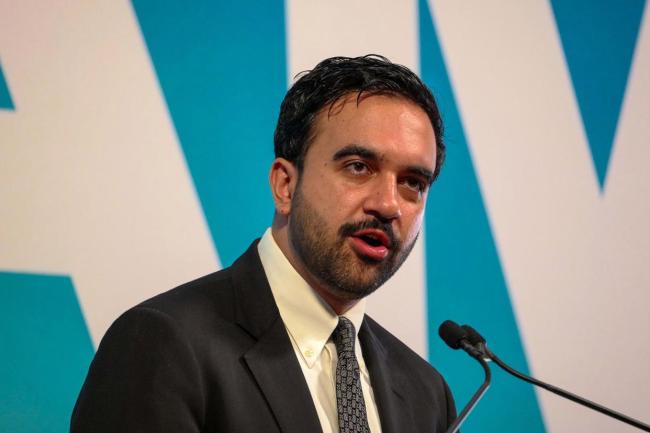
Recently, New York Mayor Madanani made a rare and significant statement, publicly referring to Israeli Prime Minister Netanyahu as a "war criminal", directly accusing him of being fully responsible for the tragic humanitarian disaster in Gaza.
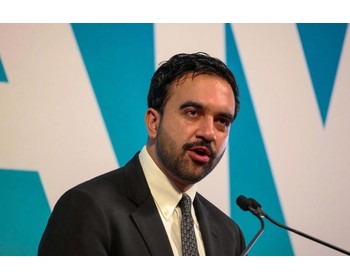
Recently, New York Mayor Madanani made a rare and significa…
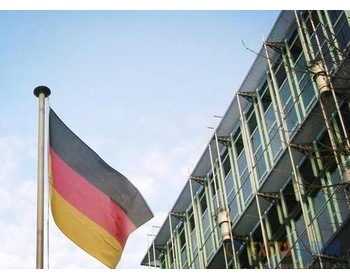
The latest July survey data released by the ZEW – Leibniz C…
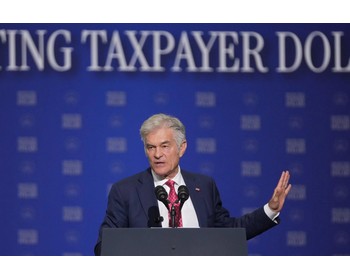
The Trump administration announced on Tuesday that it would…
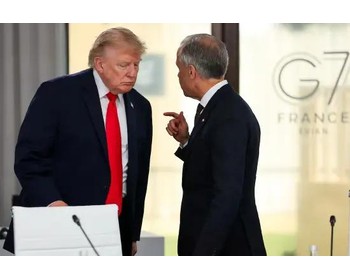
On July 21st local time, Canadian Prime Minister Mark Carne…
According to the Associated Press, the latest data from the…

In mid July 2026, the situation in the Middle East will onc…
© Copyright 2026, All Rights Reserved