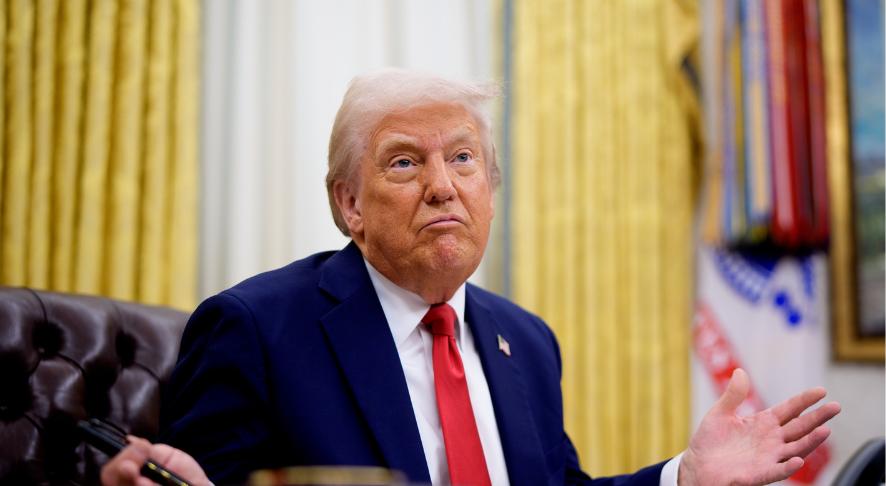
Officials in the Trump administration, speaking on Fox News, touted that American small business owners "have never been more enthusiastic about paying taxes." They argued that President Trump's policies, particularly in tax cuts and deregulation, have had an unprecedented positive impact on small businesses. The Administrator of the U.S. Small Business Administration (SBA), Kelly Loeffler, detailed in a Fox News interview how these policies have fostered small business growth and boosted their confidence in paying taxes.
Positive Impact of Tax Policies
Loeffler noted that small business optimism reached a 52-year high, attributing this primarily to the Trump administration's tax reforms, particularly the "Tax Cuts and Jobs Act." She specifically mentioned the "20% pass-through deduction" and the "Section 179 expensing" policy, which allows small business owners to enjoy immediate tax deductions for equipment purchases and research and development, thus easing their tax burden and encouraging a positive attitude towards taxation.
"These policies allow small business owners to clearly see their tax burden and make it easier to plan their business strategies," Loeffler said. She further emphasized that these tax cuts not only helped small businesses reduce operating costs but also allowed them to invest capital more flexibly, driving overall economic growth. Loeffler believes that these measures by the Trump administration have made many small business owners no longer resistant to paying taxes, but rather, to some extent, "happy" to pay them.
Deregulation, Reducing the Burden
In addition to tax reforms, the Trump administration further supported small businesses through deregulation. Loeffler mentioned that in his first year in office, Trump cut approximately $200 billion in regulatory costs, a move particularly important for small businesses. She stated, "Regulation is like an invisible tax that increases the operating costs of small businesses," so reducing burdensome regulations provides businesses with greater flexibility and lower costs.
Furthermore, Loeffler mentioned that one of the goals of the U.S. Small Business Administration (SBA) in the coming years is to help small businesses "breathe easily" after experiencing frequent regulations during the Biden administration. She pointed out that many regulatory measures under the Biden administration have placed immense pressure on small businesses, leading to businesses facing significant debt burdens while also having to navigate more complex regulatory requirements. Therefore, the Small Business Administration (SBA) is leading a special task force to further relax regulations and provide a more favorable environment for small businesses.
Controversy and Criticism
While these policies of the Trump administration received support from some small business owners, they also faced considerable controversy and criticism. According to The New York Times, Loveffler was criticized for significantly reducing the number of SBA employees and reversing reforms implemented by the Biden administration. The Biden administration, in pushing for reforms, aimed to simplify the process for small businesses to obtain credit, especially providing more support for minority, female, and immigrant entrepreneurs. However, the Trump administration's policies seemed to backtrack on this aspect, making it difficult for businesses owned by some vulnerable groups to obtain the necessary support.
In particular, the Trump administration weakened measures to support women and minority-owned small businesses by eliminating diversity, equity, and inclusion programs. This decision sparked strong reactions from various sectors of society, especially criticism from SBA employees and social activists, who argued that these reforms might put greater pressure on vulnerable businesses.
Looking Ahead
These policies of the Trump administration undoubtedly had a positive impact on some small businesses, but they also brought about considerable controversy. The future development of small businesses needs to consider how to balance social equity and diversity support alongside tax breaks and regulatory relaxation. Within the policy framework promoted by President Trump, while tax and regulatory relaxation provided greater opportunities for some businesses, ensuring that vulnerable groups can fairly benefit from policy dividends while promoting economic growth remains a pressing issue.
Over time, the Biden administration may continue to adjust and modify some of the previous administration's policies to ensure inclusive and sustainable economic development. Whether the SBA can effectively support small businesses in maintaining competitiveness in the future economic environment remains a key focus of attention.
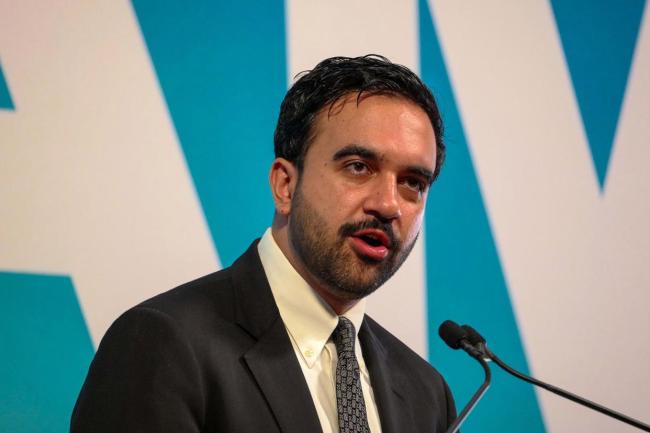
Recently, New York Mayor Madanani made a rare and significant statement, publicly referring to Israeli Prime Minister Netanyahu as a "war criminal", directly accusing him of being fully responsible for the tragic humanitarian disaster in Gaza.
Recently, New York Mayor Madanani made a rare and significa…

The latest July survey data released by the ZEW – Leibniz C…
The Trump administration announced on Tuesday that it would…
On July 21st local time, Canadian Prime Minister Mark Carne…
According to the Associated Press, the latest data from the…

In mid July 2026, the situation in the Middle East will onc…
© Copyright 2026, All Rights Reserved