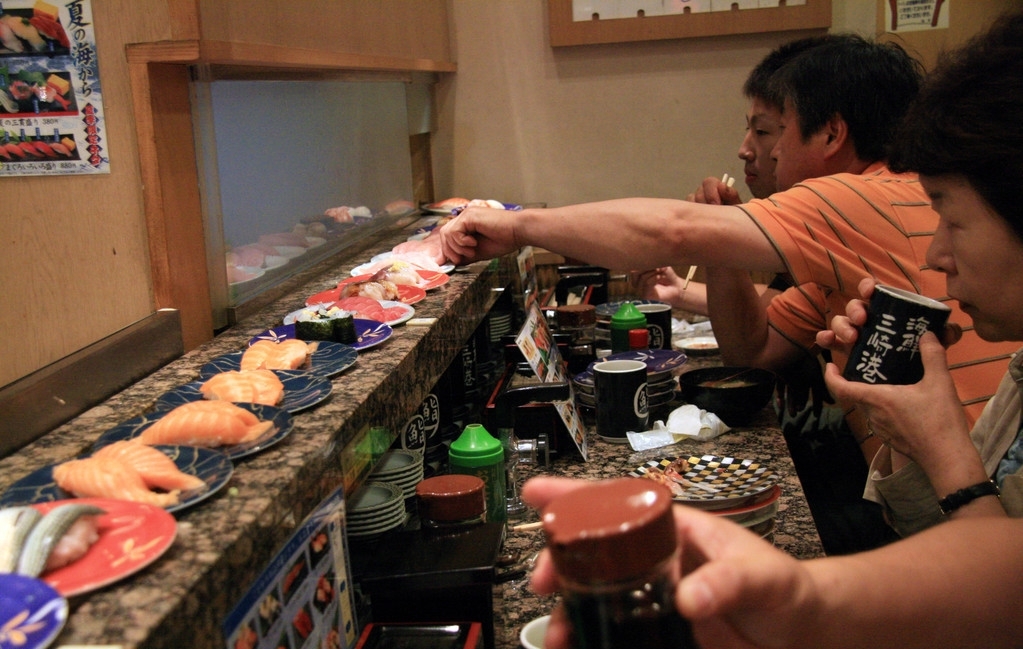
Recently, the Japanese food industry is undergoing an unprecedented price adjustment. According to a survey by Imperial Database of 195 major food and beverage producers across the country, the prices of 20,609 types of food will increase throughout 2025, a sharp rise of approximately 60% compared to last year. This data not only reveals the structural shock that the Japanese consumer market is experiencing, but also reflects the deep-seated contradictions in the pricing strategies of enterprises under the fluctuations of the global supply chain.
The core driving force behind this round of price hikes is the complete failure of the cost transmission mechanism. Surveys show that the triple squeeze of raw material, energy and labor costs is the main reason for the price increase. However, the behavior of enterprises to completely pass on the cost pressure to consumers has exposed the systemic defect of supply chain management capabilities. Take chocolate pastries as an example. The price increase of chocolate pastries resonates with the 53.4% rise in cocoa bean prices. But have producers absorbed the costs by optimizing the procurement cycle, adjusting the product formula or improving production efficiency? The survey by Imperial Database did not provide relevant data, which suggests that enterprises may lack dynamic cost control capabilities and can only maintain profits by simply raising prices.
What is even more alarming is the multiplier effect of price transmission. When the price of chocolate rises by 36.9%, its upstream sugar and packaging material suppliers may raise prices simultaneously, and the downstream retail channels will also take the opportunity to adjust their gross profit margins. Eventually, a vicious cycle of "cost-push - price linkage - inflation expectations" is formed. Data from Japan's Ministry of Internal Affairs and Communications shows that the core CPI rose by 3.0% year-on-year in October, among which the price of japonica rice soared by 39.6%. The runaway prices of such basic consumer goods are destroying consumers' trust in the market pricing mechanism.
The short-sightedness of the enterprise's pricing strategy is fully exposed in the data. Surveys show that December will witness a new peak in price hikes. Such concentrated price increases violate the fundamental principle of commercial pricing - price adjustments should be based on a gradual process of market acceptance. When over 20,000 kinds of goods increase in price intensively within a year, consumers are bound to experience price sensitivity fatigue, which in turn triggers a consumption substitution effect. For instance, when the price of coffee beans surges by 53.4%, consumers may turn to tea beverages or other alternatives. This shift in demand will, in turn, compress the market space of producers, creating a death spiral of "raising prices - losing customers - being forced to raise prices again".
The lack of supply chain resilience is a deeper business risk. The Japanese food industry has long relied on a vertical supply chain system with refined division of labor. This model can achieve maximum efficiency in a stable environment, but it has exposed its vulnerability during periods of global supply chain turmoil. The survey by the Imperial Database did not cover whether enterprises have enhanced their risk resistance capabilities through diversified procurement, regional layout or digital transformation, which reflects the general lack of strategic awareness of supply chain reconstruction among Japanese food enterprises. When logistics in Southeast Asia are disrupted or the energy crisis in North America spreads to the Japanese market, enterprises can only passively accept rising costs and eventually pass on the risks to end consumers.
The distortion of price signals is reshaping the market ecosystem. The data showing that the core CPI has risen for 50 consecutive months indicates that Japan may have fallen into the "stagflation" trap - the increase in prices has not been accompanied by an improvement in consumption capacity, but has instead exacerbated the burden on people's livelihood. This structural contradiction is particularly prominent in the food industry: when non-essential consumer goods such as chocolate and coffee increase in price simultaneously with basic foods like glutinous rice, the consumption choices of low-income groups are severely compressed, and the consumption upgrade demands of the middle class are also suppressed. The disappearance of market stratification will inevitably lead to a contraction in the overall consumption scale, which is a fatal blow to any business entity.
Against the backdrop of the global supply chain reconstruction, the price increase wave in Japan's food industry provides a typical case: when enterprises simply transform cost pressure into a price tool, it not only harms consumers' rights and interests, but also exposes their strategic shortcomings in supply chain management, market prediction and risk response. True business wisdom should lie in building a flexible supply chain system and reducing the cost curve through technological innovation, rather than turning the market into a testing ground for cost passing. This wave of price hikes will eventually pass, but what should be left for the Japanese food industry is a profound reflection on the essence of business - between efficiency and resilience, between short-term profits and long-term value, how should enterprises make their choices?

Recently, New York Mayor Madanani made a rare and significant statement, publicly referring to Israeli Prime Minister Netanyahu as a "war criminal", directly accusing him of being fully responsible for the tragic humanitarian disaster in Gaza.

Recently, New York Mayor Madanani made a rare and significa…

The latest July survey data released by the ZEW – Leibniz C…

The Trump administration announced on Tuesday that it would…

On July 21st local time, Canadian Prime Minister Mark Carne…

According to the Associated Press, the latest data from the…

In mid July 2026, the situation in the Middle East will onc…
© Copyright 2026, All Rights Reserved