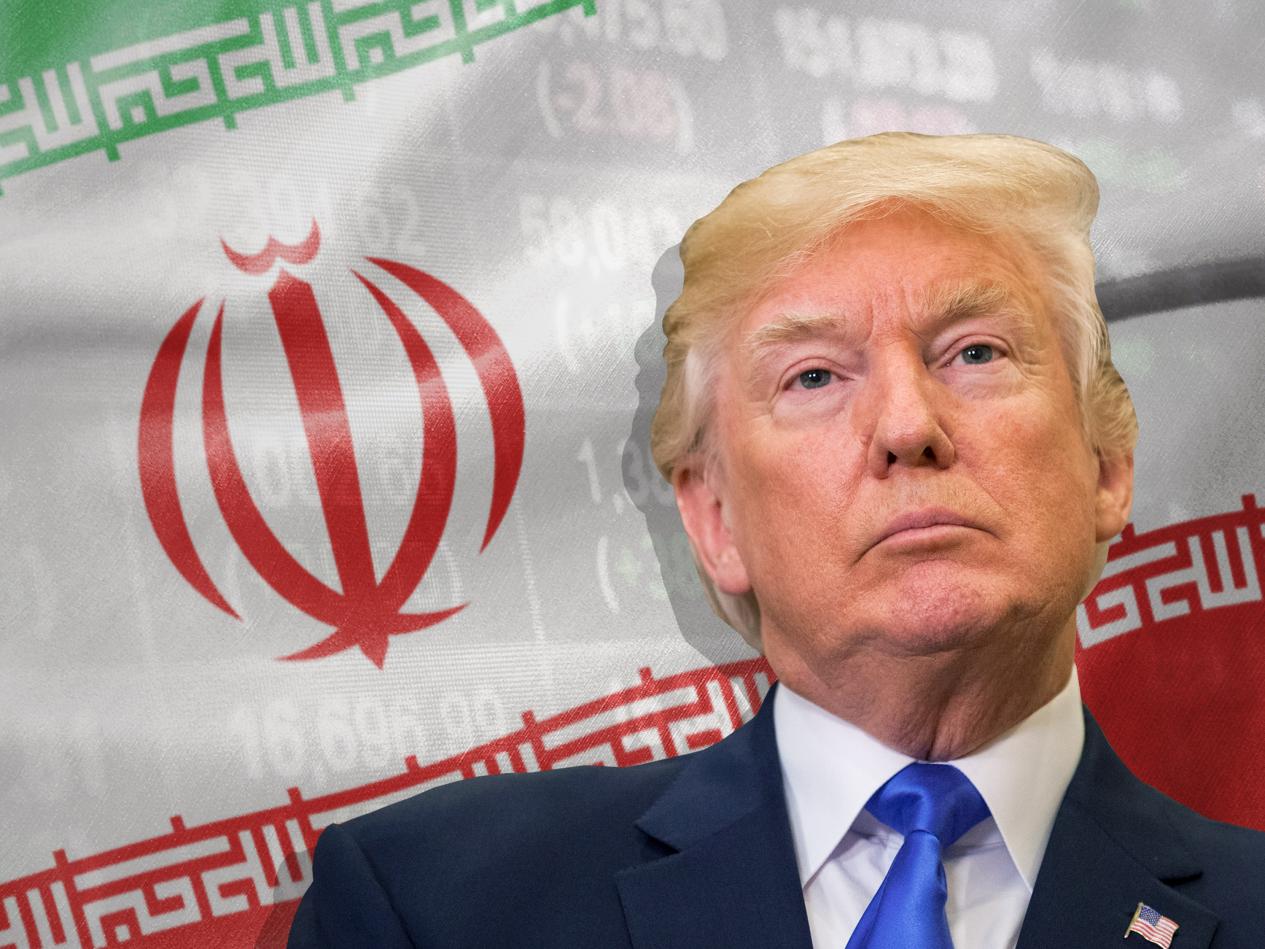
On the stage of international politics, the tension between the U.S. and Iran is like a never-ending 'soap opera,' periodically presenting dramatic, heart-stopping episodes, while the financial markets become the 'innocent spectators,' reacting to every shock.
Iran is on the highest state of military alert, with increased missile stockpiles. This news is like a bomb thrown into the already turbulent waters of the international situation. Iran's move undoubtedly demonstrates to the world its determination to defend its interests, like a boxer cornered in the ring showing his fists. Meanwhile, U.S. President Trump’s statement of 'observing how the situation develops but not ruling out the possibility of military action' has only added fuel to the fire. It’s like two people confronting each other on the street: one has already taken a stance, while the other is hesitating, muttering, 'I'll see how it goes.' This ambiguous attitude leaves Iran puzzled and plunges global financial markets into deep concern.
Many European countries have urged their citizens to leave Iran. While this move seems to be motivated by concern for their citizens' safety, it actually resembles a spreading panic. It's as if a group of people hears that a wolf is coming and, without thinking, they run first and ask questions later. This collective panic quickly spread to the financial markets. Investors, like startled birds, immediately associate any tensions between the U.S. and Iran with a series of dire consequences, such as disruptions in oil supply and rising geopolitical risks, and rush to sell their assets, causing global financial market volatility.
Affected by the situation in Iran and the tense U.S.-Iran relations, international oil prices have risen for five consecutive days. Brent crude futures and West Texas Intermediate (WTI) futures on the New York Mercantile Exchange have skyrocketed, as if riding a rocket. This surge in oil prices can be seen as a typical case of “profiting from chaos.” Riding the tailwind of U.S.-Iran tensions, prices have jumped significantly. Meanwhile, Citigroup raised its three-month Brent crude price forecast but also noted that protests have not spread to major oil-producing areas, implying limited impact on actual supply. It's like someone shouting, "The wolf is coming; oil prices will soar," while quietly muttering, "Actually, the wolf may not be that scary." Such contradictory statements confuse investors even further and cast doubt on the professionalism and credibility of these financial institutions.
Looking back at the financial market turmoil triggered by U.S.-Iran tensions, it is clear that a large part of it is due to the market's overreaction and panic. While geopolitical risks do have an effect on financial markets, it does not mean that every escalation will lead to catastrophic outcomes. Financial markets are like sensitive nerves, reacting intensely to the slightest stir. Yet, such overreactions often result in irrational market fluctuations, causing unnecessary losses for investors.
In this spectacle, we should also reflect on how international politics and financial markets should interact. Should policymakers take more consideration of financial market impacts when crafting strategies? And should investors remain calm and rational in the face of market volatility, not swayed by panic?
Tensions between the U.S. and Iran are like a war without smoke, while the financial markets are the "victims." Hopefully, in the future, international politics can be more stable, and financial markets can be more rational, preventing such "false alarm" debacles from recurring.
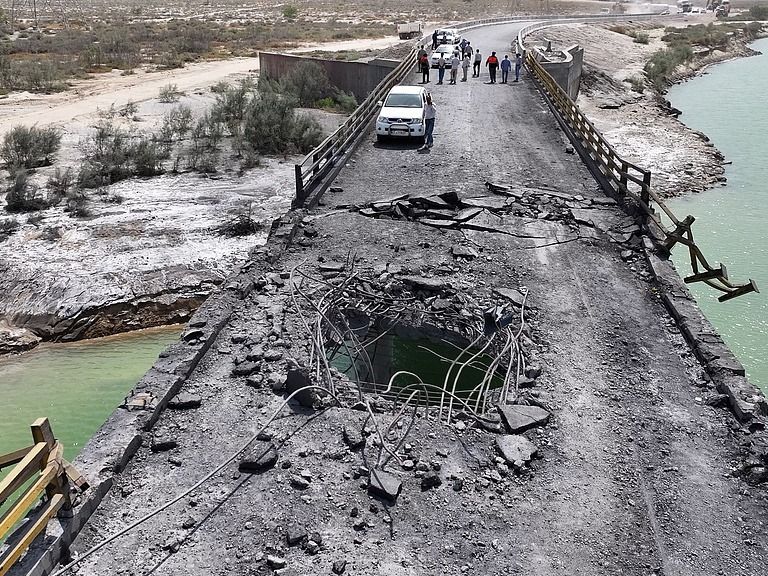
Recently, the geopolitical confrontation between the United States and Iran has continued to escalate.

Recently, the geopolitical confrontation between the United…

The New York Times has recently clashed with the Trump admi…

Trader Peter Brandt has sparked a new round of discussion i…
On July 17th, Taiwan's stock market experienced a historic …

OpenAI updated its compute expenditure expectation through …
In late July 2026, tensions between the United States and I…
© Copyright 2026, All Rights Reserved