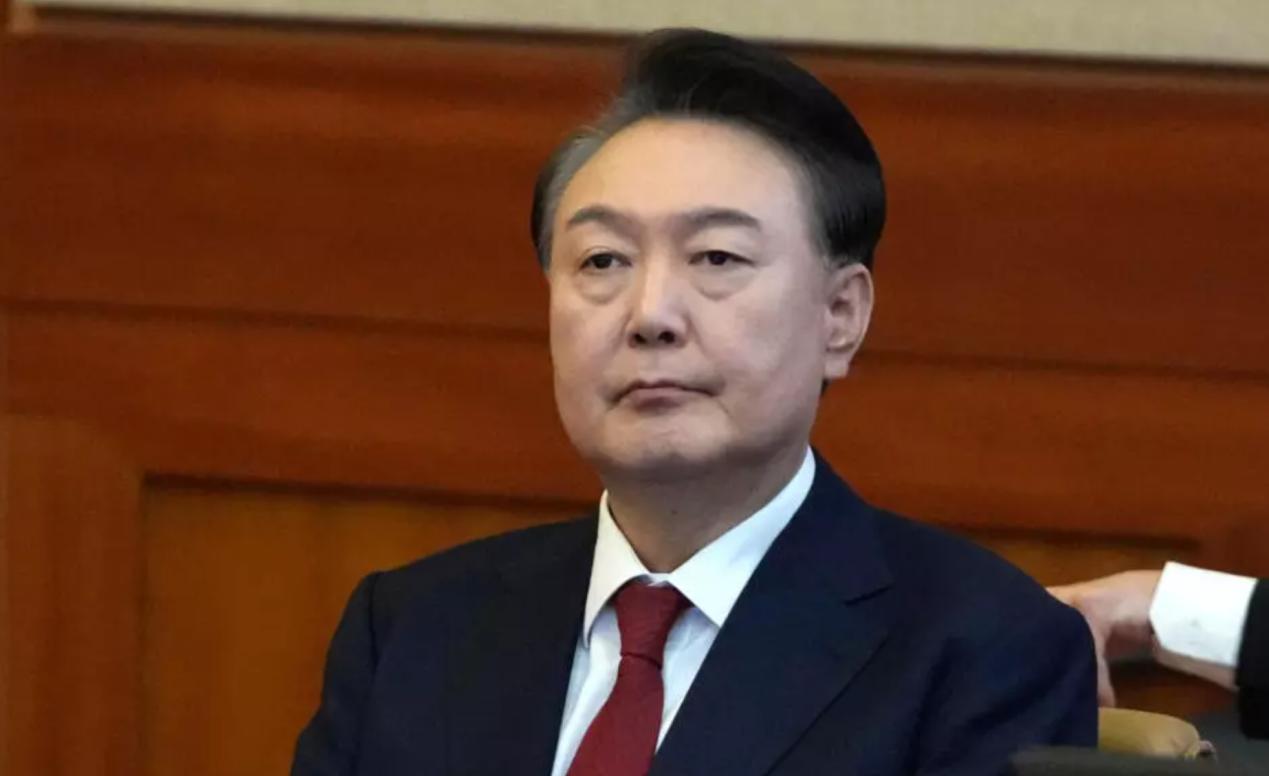
On January 13, 2026, a highly symbolic moment was marked in the judicial history of South Korea. At the Seoul Central District Court, the South Korean prosecution officially submitted a sentencing recommendation to the court, demanding the death penalty for former President Yoon Suk Yeol on charges of being the "ringleader of an insurrection". This event not only caused a huge stir within South Korea but also drew widespread attention from the international community, becoming a critical juncture in the country's constitutional development process.
Background of the Event: Constitutional Crisis Triggered by Emergency Martial Law
On December 3, 2024, then South Korean President Yoon Suk Yeol suddenly declared a state of emergency martial law, which immediately disrupted the political balance in South Korea. According to the South Korean Constitution, the president has the power to declare martial law, but it must be approved by the State Council and can be vetoed by the National Assembly at any time with a majority vote. However, Yoon Suk Yeol unilaterally declared martial law without following the legal procedures, and used the military to blockade the National Assembly, prevent lawmakers from voting to lift martial law, and even attempted to detain the then leader of the main opposition party, Lee Jae-myung, and the Speaker of the National Assembly, Yu Seong-jo. These actions severely undermined South Korea's constitutional order, provoking strong dissatisfaction from the National Assembly and the public. Subsequently, the National Assembly quickly passed an impeachment motion, and Yoon Suk Yeol's presidential duties were suspended, triggering a constitutional crisis in South Korea.
Prosecution's Charges: Abuse of Power and Intent to Dictatorship
In the sentencing recommendation, the prosecution pointed out that Yoon Suk Yeol abused his position and power as president to commit organized crimes. His declaration of martial law was aimed at eliminating political opposition forces to achieve power monopoly and long-term rule, that is, to seek dictatorship and long-term governance. He completely acted out of personal power lust, using military and police resources that should only serve the interests of the country and the collective for his own purposes. The nature of his crime was extremely heinous. Judging from his motives, means, and implementation methods, it had the nature of anti-state behavior as stipulated in the National Security Law.
The prosecution also emphasized that since October 2023, Yoon Suk Yeol has been making preparations for declaring martial law, including military reorganization, combat planning, and multiple contacts with senior military commanders. His team even prepared torture tools, attempting to torture over 30 people. Additionally, Yoon Suk Yeol and then Defense Minister Kim Won-soon, among others, tried to provoke North Korea into attacking South Korea through the drone incident, aiming to use "martial law" to suppress the opposition and block the National Assembly, and planned to assassinate ruling party leader Han Dong-hoon and other political figures, then claiming it was North Korea's doing. These accusations clearly show that Yoon Suk Yeol's actions were not impulsive but rather a meticulously planned organized crime.
Social Response: The Struggle Between Public Opinion and Politics
After the prosecution proposed the death penalty, South Korean society reacted strongly. According to a poll by Gallup Korea, Yoon Suk Yeol received a 77% negative rating, making him "the worst former president in South Korean history," reflecting the public's extreme dissatisfaction with his actions. The ruling Democratic Party of Korea advocated for a severe sentence for Yoon Suk Yeol, considering it a necessary measure to uphold the constitutional order and the dignity of the rule of law. However, the opposition People Power Party expressed concerns about "political incitement to oppress the judiciary," fearing that a harsh sentence could trigger a conservative backlash and further divide the South Korean political landscape.
Future Outlook: Challenges and Significance of the Judicial Trial
Although the prosecution has proposed the death penalty, the final verdict still needs to be determined by the court based on the law and facts. South Korea has not carried out the death penalty since December 1997. Even if the court sentences Yoon Suk Yeol to death, under current judicial practice, this would only be symbolic and effectively equivalent to life imprisonment. Moreover, the case may go through second-instance and other judicial procedures, and the final outcome remains uncertain.
Regardless of the verdict, the Yoon Suk Yeol case will become a milestone in South Korea's constitutional history. It is not only the trial of a former president but also a reiteration of the eternal question of whether power should be subject to legal constraints.
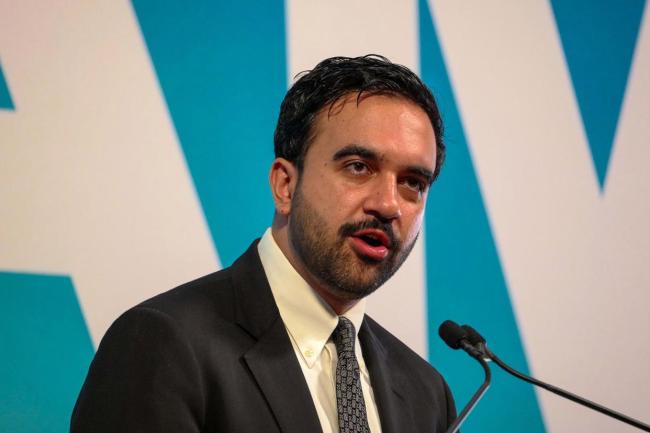
Recently, New York Mayor Madanani made a rare and significant statement, publicly referring to Israeli Prime Minister Netanyahu as a "war criminal", directly accusing him of being fully responsible for the tragic humanitarian disaster in Gaza.
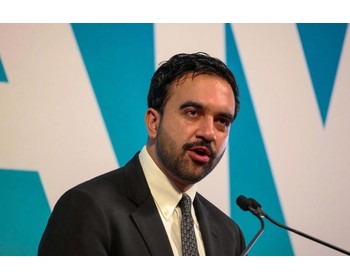
Recently, New York Mayor Madanani made a rare and significa…
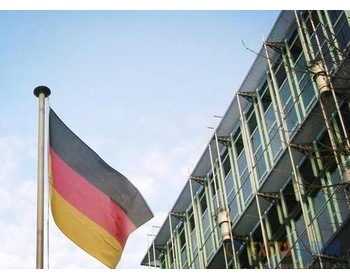
The latest July survey data released by the ZEW – Leibniz C…
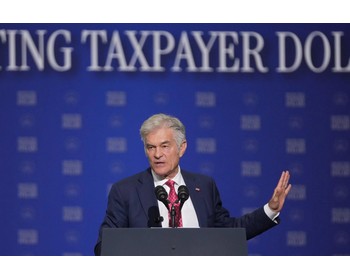
The Trump administration announced on Tuesday that it would…
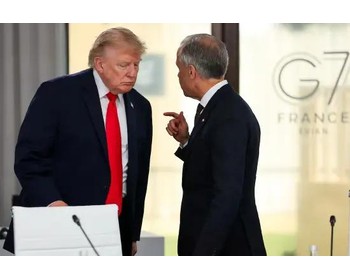
On July 21st local time, Canadian Prime Minister Mark Carne…

According to the Associated Press, the latest data from the…

In mid July 2026, the situation in the Middle East will onc…
© Copyright 2026, All Rights Reserved