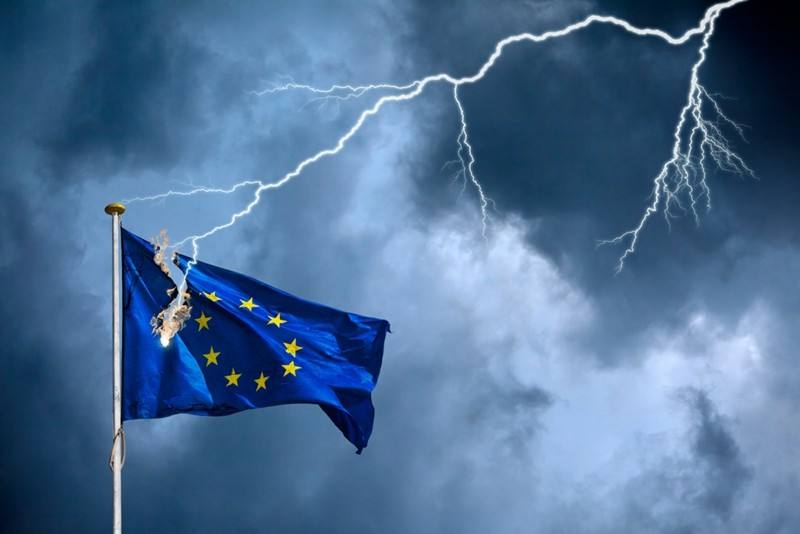
In July 2026, the euro area economy is characterised by fragile recovery, stubbornly persistent inflation and intensifying policy dilemmas. Amid volatile global geopolitics and fluctuating energy prices, Europe’s modest economic repair momentum has faced mounting headwinds. Weak growth dynamics, renewed inflation risks and widening internal disparities have become increasingly prominent. The European Central Bank’s policy room for manoeuvre continues to shrink, leaving the regional economic recovery highly uncertain.
Inflation remains the core variable shaping Europe’s economic outlook. Eurozone headline inflation eased to 2.8% in June alongside a mild decline in core inflation, offering temporary relief from prolonged price pressures. However, rising crude oil and natural gas prices driven by Middle East geopolitical tensions in July have reversed market expectations of steady disinflation. Higher energy costs are transmitting through industrial production, logistics and consumer sectors, pushing up raw material prices and weighing on service industries such as transportation, catering and hospitality. Multiple international financial institutions have upgraded their inflation forecasts, projecting the euro area’s annual inflation rate to approach 3% in 2026, well above the ECB’s 2% target. Sticky inflation is expected to persist into the first quarter of 2027, completely dispelling market optimism over rapid deflation and early rate cuts.
The euro area has struggled to escape near-stagnation. The International Monetary Fund has further lowered its 2026 euro area growth forecast to 0.9%. Although the July composite PMI edged above the 50 threshold, signalling a modest rebound in manufacturing orders and service sector activity to support third-quarter stability, the upturn lacks solid domestic demand fundamentals and is unlikely to sustain. Prolonged high interest rates have suppressed housing credit and corporate financing, while sustained inflation has eroded household disposable income. As a result, consumer sentiment remains subdued and precautionary savings stay elevated, dragging down consumption recovery.
Economic divergence across member states has intensified. As the euro area’s economic anchor, Germany continues to grapple with industrial relocation, high energy costs and sluggish external demand, leading to stagnant industrial output and a lagging recovery compared with service-driven economies such as France and Spain. Faced with uncertainties surrounding inflation, interest rates and global trade, enterprises remain reluctant to expand production or invest in innovation, stalling manufacturing revitalisation.
Monetary policy is trapped in a tough trade-off. The ECB kept key interest rates unchanged at its July meeting, adopting a prudent wait-and-see stance while leaving the door open for further tightening. Markets widely anticipate a potential rate hike in September should energy-driven inflationary pressures escalate. Premature policy easing could reignite inflation and undo previous anti-inflation efforts, while prolonged high interest rates will further dampen weak domestic demand and corporate investment, amplifying stagnation risks. Consequently, data-dependent, meeting-by-meeting flexible adjustment has become the ECB’s only viable policy option.
Long-term structural bottlenecks continue to constrain Europe’s growth potential. Deepening population ageing and widespread labour shortages have persistently lifted labour costs and eroded industrial competitiveness. The ongoing energy transition entails substantial transformation expenses, driving the continuous relocation of energy-intensive industries. Cumbersome administrative procedures and stringent regulatory frameworks have hindered investment in green and digital sectors, limiting the growth momentum of emerging industries. Externally, slowing global trade and rising protectionism have intensified external competition, making exports unable to serve as a reliable growth driver.
Looking ahead to the second half of 2026, Europe’s economy will remain in a low-growth, high-volatility state. Short-term economic performance hinges on energy price movements, inflation dynamics and ECB policy adjustments. Easing geopolitical tensions and falling energy prices, coupled with seasonal summer service consumption, could sustain marginal positive growth. In contrast, renewed energy inflation and forced policy tightening would quickly reverse tentative recovery signs.
Overall, monetary policy fine-tuning alone cannot resolve Europe’s economic predicament. The EU must accelerate energy supply diversification to reduce external reliance, expand financing channels for green transition, dismantle internal market barriers and optimise the business environment. Boosting corporate investment and household consumption through structural reforms will help break the cycle of low growth and sticky inflation, paving the way for steady and sustainable economic recovery.
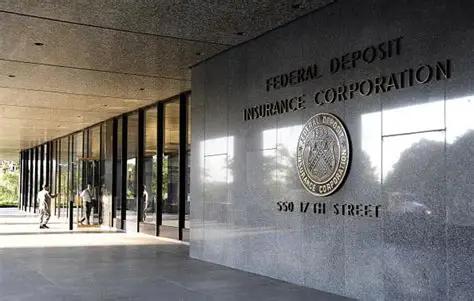
On July 27th local time, the Federal Deposit Insurance Corporation (FDIC) of the United States took emergency control of Horizon United Bank, with assets exceeding 80 billion US dollars.
On July 27th local time, the Federal Deposit Insurance Corp…

On July 20, 2026, British politics welcomed its seventh pri…
In July 2026, the global financial market was at a critical…

The global stock market experienced a widespread sell-off o…
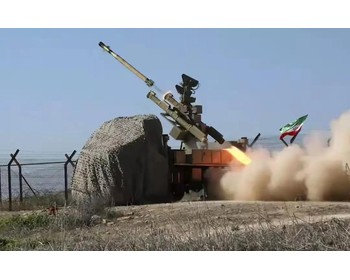
The sudden suspension of the 13 day US airstrike on Iran ha…
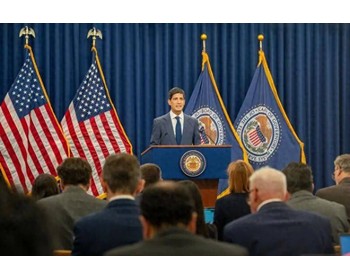
The results of the Federal Reserve's July rate meeting are …
© Copyright 2026, All Rights Reserved