On Friday (March 27), South Korea began a complete ban on the export of naphtha at 0:00 to alleviate the tight supply situation of naphtha in the country.
According to the Yonhap News Agency, the Ministry of Trade, Industry and Energy of South Korea said that the "regulations on restricting the export of naphtha and ensuring stable supply" would be promulgated and implemented at 0:00 on March 27, with a provisional duration of five months.
45% of South Korea's naphtha is imported, with the proportion of naphtha imported from the Middle East reaching as high as 77%. However, due to the ongoing conflicts in the Middle East, South Korea's naphtha imports are likely to be impacted.
With the implementation of the naphtha export restriction measures, all domestically produced naphtha is prohibited from being exported, except for those that have signed contracts and with the approval of the Minister of Industry.
The Ministry of Industry said that about 11% of the domestically produced naphtha is sold abroad. According to the new regulations, this naphtha will be supplied to the domestic market.
Minister of Industry Kim Jong-gwan said that naphtha is a basic raw material supporting the development of South Korea's industries. The government will support all parties in importing naphtha from abroad and is committed to effectively solving the problem of insufficient supply. He also said that the government will prioritize ensuring the supply of naphtha needed for health care, key industries, and the production of essential goods.
Naphtha is a light petroleum product obtained from the distillation or secondary processing of crude oil. It is a core raw material in petrochemicals and is widely used in the production of ethylene, propylene, and other chemical products, or as a reforming raw material for the production of high-octane gasoline.
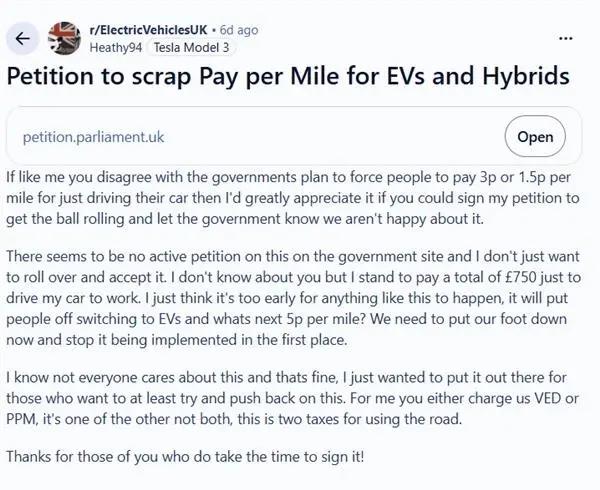
Recently, the British government has confirmed that a new vehicle consumption tax (eVED) system will be implemented on April 1, 2028, imposing a tax of approximately 17 yuan per 100 kilometers for pure electric and hydrogen-powered vehicles, while reducing the tax for plug-in hybrid models by half.
Recently, the British government has confirmed that a new v…

Under the dual pressures of war and sanctions, Iran is endu…

AP, Dubai — Military confrontation between the United State…

Recently, Reuters reported that Apple is accelerating its e…
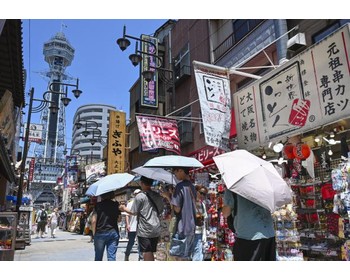
In July 2026, the entire country of Japan was hit by a disa…
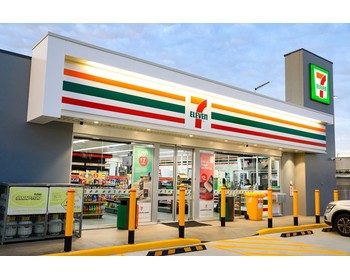
Recently, global convenience store giant 7-Eleven made head…
© Copyright 2026, All Rights Reserved