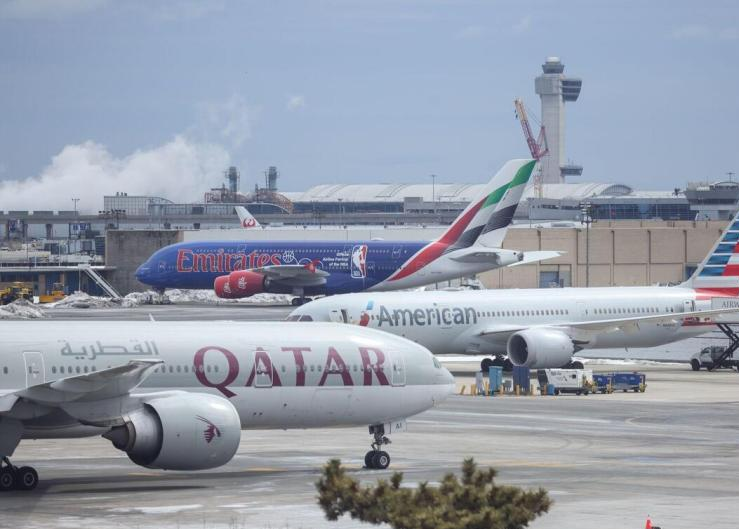
As the conflicts in the Middle East continue to escalate, global panic has spread to the aviation market. Due to concerns about triggering the most severe oil crisis since the 1970s, several airlines in Asia have begun to urgently raise ticket prices and have formulated emergency plans including suspending some flights.
Bloomberg reported that sources familiar with the matter said that Air India has raised the prices of its long-haul flights by 15%, and there is no doubt that it may further increase the fares. In Southeast Asia, the official media of Vietnam issued a warning, stating that the country heavily relies on imported aviation fuel and the price increase of air tickets could be as high as 70%.
The interviewed analysts pointed out that the Asian aviation industry has been particularly vulnerable during this crisis. Compared with their counterparts in Europe and the United States, the proportion of fuel hedging for Asian airlines is generally lower, which means they lack a "firewall" to protect themselves against fluctuations in energy prices and have to directly bear the impact of soaring international oil prices.
June Goh, a senior oil market analyst at Sparta Commodities SA, described that the panic button has been fully triggered. If airlines had previously sold a large number of tickets at low prices, but the current fuel costs are far higher than the budget, their profit margins will be rapidly eroded.
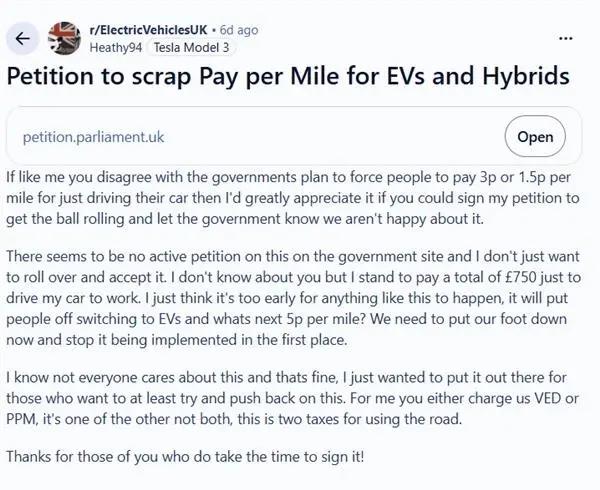
Recently, the British government has confirmed that a new vehicle consumption tax (eVED) system will be implemented on April 1, 2028, imposing a tax of approximately 17 yuan per 100 kilometers for pure electric and hydrogen-powered vehicles, while reducing the tax for plug-in hybrid models by half.
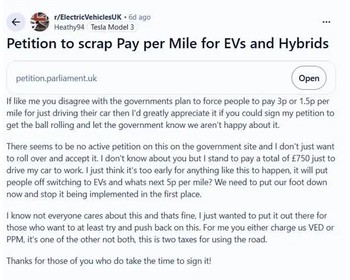
Recently, the British government has confirmed that a new v…
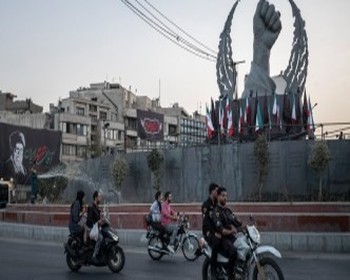
Under the dual pressures of war and sanctions, Iran is endu…
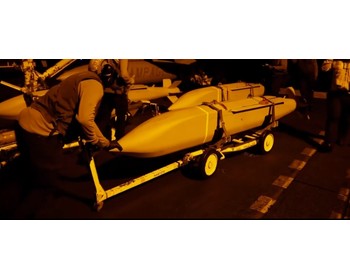
AP, Dubai — Military confrontation between the United State…

Recently, Reuters reported that Apple is accelerating its e…
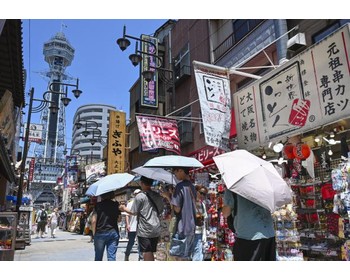
In July 2026, the entire country of Japan was hit by a disa…
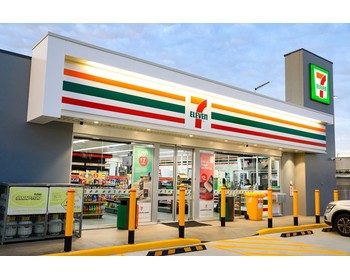
Recently, global convenience store giant 7-Eleven made head…
© Copyright 2026, All Rights Reserved