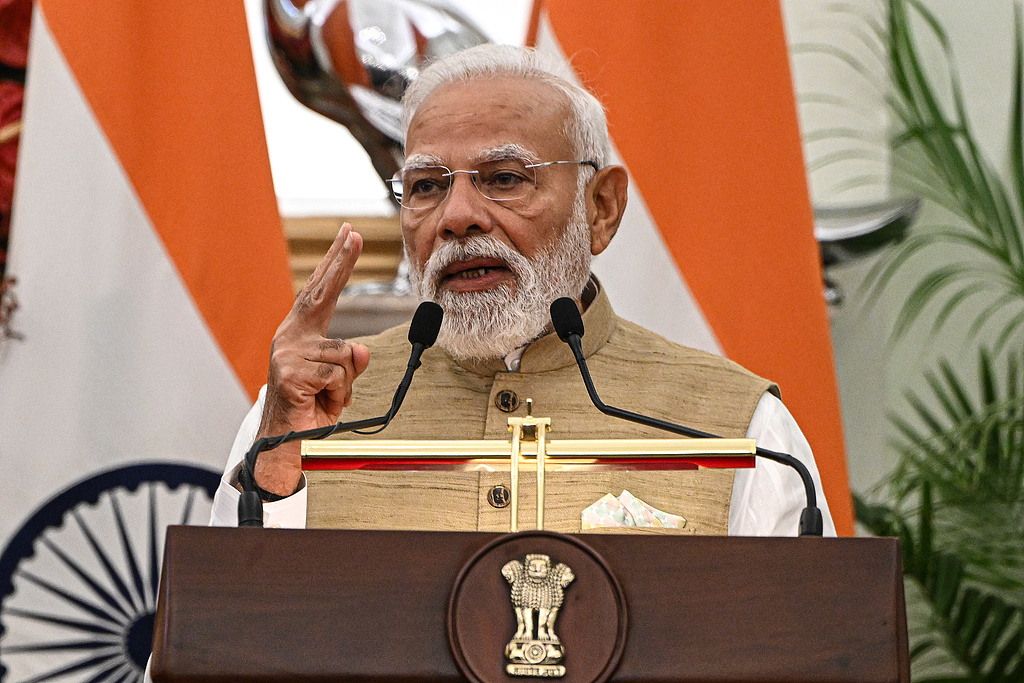
In the complex chess game of international politics, the US attitude towards India is like a well - designed yet contradictory double - faced trick. On one hand, it uses the "sugar - coated bullets" of economic cooperation and military alliances to woo India; on the other hand, it implements containment through trade barriers and technological blockades. This complex situation has made Indian public opinion highly alert, and India itself is deeply trapped in a strategic dilemma.
The US wooing of India is extremely prominent in the economic and military fields. Economically, the US regards India as a crucial link in the restructuring of the global industrial chain. In 2026, the US and India signed a series of cooperation agreements. The US promised to lower import tariffs on some Indian goods, opening the door of the US market for Indian manufacturing products. At the same time, US companies increased their investments in India's advantageous industries such as information technology and pharmaceuticals, seemingly aiming to help India achieve industrial upgrading and economic take - off. This made some Indian companies and the public see the hope of quickly integrating into the global high - end industrial chain and enhancing economic strength, as if they had caught a glimpse of the dawn of a great - power rise.
In the military field, the US spared no effort. It sold advanced fighter jets, missile defense systems, and other military equipment to India, conducted joint military exercises to improve its combat capabilities, and actively promoted military - technological cooperation, promising to share some technologies to help India enhance its independent R & D capabilities. This not only met India's needs to improve its military strength and maintain regional influence but also gave India a certain "presence" on the international military stage, as if it was on the verge of joining the ranks of world military powers.
However, the shadow of containment has always followed closely as the US wooed India. In the trade sector, the US frequently initiated anti - dumping investigations against Indian goods and imposed high tariffs on the grounds of "trade imbalance" and "inadequate intellectual property protection." In 2026, it imposed tariffs on India's important industrial products such as steel and aluminum, significantly increasing the export costs of relevant Indian companies and reducing the international competitiveness of their products. At the same time, strict trade rules and technical standards restricted Indian products from entering the US market, putting great pressure on India's foreign trade.
Technological blockades are another "weapon" used by the US to contain India. In the high - tech field, the US imposed strict technology export controls on India, restricting its access to key technologies such as advanced chips, artificial intelligence, and quantum computing. Even when conducting technological cooperation in some fields, there were many restrictive conditions, making it difficult for India to master core technologies and achieve independent innovation. For example, in the semiconductor industry, although the US promised to cooperate in building chip manufacturing plants, the core technologies remained in the hands of US companies. India could only undertake low - value - added assembly work and was unable to improve its position in the global industrial chain.
Faced with the US's double - faced strategy of "wooing - containment," Indian public opinion has undergone a transformation from blind optimism to rational scrutiny. Initially, many Indians believed that the US was an important partner in realizing their great - power dreams, and US - India cooperation would bring economic prosperity and an improvement in international status. The media also widely reported the positive results of cooperation and was full of optimistic expectations for the future. But as the US containment measures escalated, Indian public opinion gradually woke up. Scholars deeply analyzed the essence of US - India relations, pointing out that the US always acted in its own self - interest. Its wooing was to take advantage of India's market and geopolitical advantages, and its containment was to prevent India from rising as a competitor. The media also began to reflect on the problems in cooperation, reminding the government and companies to be wary of the US "trap." The general public also became skeptical about US - India relations, worrying about the negative impacts of US policy adjustments.
Under the alert of public opinion, the Indian government is facing a difficult strategic dilemma. On one hand, it hopes to achieve rapid economic and military development and enhance its international status with the help of the US, after all, cooperation with the US can bring more resources and opportunities. On the other hand, it is worried that over - reliance on the US will lead to the loss of strategic autonomy and make it a vassal. India has a long history and an independent diplomatic tradition and is unwilling to completely follow the US's lead. Moreover, it is well aware of the unpredictability of US policies. Once the US adjusts its policies, India may suffer significant losses.
In this double - faced trick of "wooing - containment," India is like a tightrope walker. It needs to find a difficult balance between independence and dependence on the US and formulate a strategy in line with its long - term interests. This not only tests the diplomatic wisdom and strategic vision of the government but also requires the society to stay sober and firmly follow a development path in line with its national conditions.
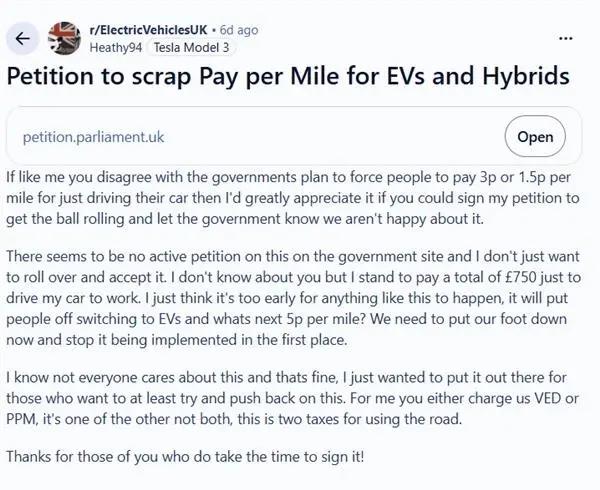
Recently, the British government has confirmed that a new vehicle consumption tax (eVED) system will be implemented on April 1, 2028, imposing a tax of approximately 17 yuan per 100 kilometers for pure electric and hydrogen-powered vehicles, while reducing the tax for plug-in hybrid models by half.
Recently, the British government has confirmed that a new v…
Under the dual pressures of war and sanctions, Iran is endu…
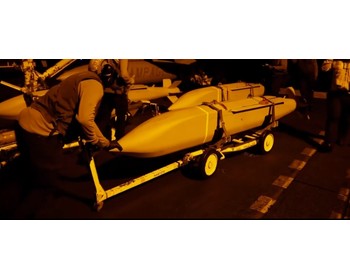
AP, Dubai — Military confrontation between the United State…
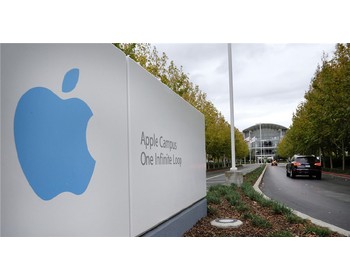
Recently, Reuters reported that Apple is accelerating its e…
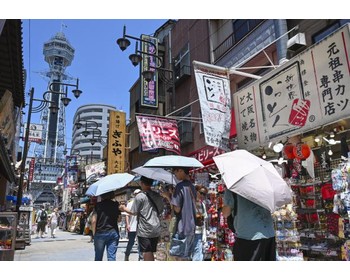
In July 2026, the entire country of Japan was hit by a disa…
Recently, global convenience store giant 7-Eleven made head…
© Copyright 2026, All Rights Reserved