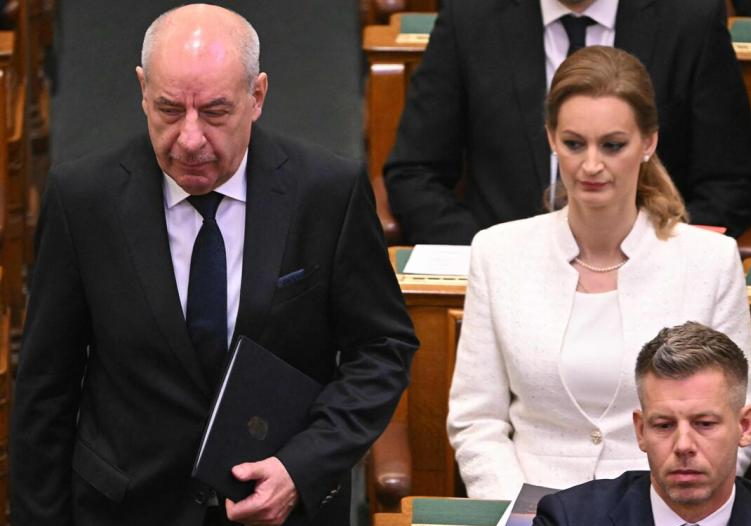
The Japanese parliament passed a temporary budget on Monday (March 30th) to ensure the normal operation of the government.
Xinhua News Agency reported that this was the first time since 2015 that Japan had passed a temporary budget. This temporary budget is used to maintain the daily operations of the Japanese government from April 1st to 11th, with a total amount of approximately 8.56 trillion yen. It only covers the minimum expenditures and does not include the costs related to the escalation of the war in the Middle East and energy policies. The Japanese Cabinet approved this temporary budget on March 27th and submitted it to the parliament for review.
In January this year, Japanese Prime Minister Masahiko Komura suddenly announced the dissolution of the House of Representatives and the early holding of a general election. As a result, the schedule for the two chambers of the parliament to review the budget for the fiscal year 2026 (April 1, 2026 to March 31, 2027) was forced to be postponed by about one month. The new fiscal year budget was passed by the House of Representatives on March 13, but the review process in the House of Councils is still ongoing.
According to the provisions of the Japanese Constitution, the new fiscal year budget passed by the plenary session of the House of Representatives will come into effect automatically 30 days after it is delivered to the Senate. Therefore, the new fiscal year budget will take effect on April 11th.
During the deliberation of the new fiscal year budget proposal in the House of Representatives, the Liberal Democratic Party's attempt to shorten the review time and push through the process by leveraging its seat advantage has drawn widespread criticism.
Furthermore, as pointed out in a commentary by Kyodo News, the rare emergency budget has sounded the alarm for the "centralized" governance style of the prime minister.
Analysts said that it was not until March 27th, when there were less than a week left until the start of the new fiscal year, that the Japanese government stated that there was no alternative but to prepare a temporary budget proposal. This reflects that Takahashi might have been overly complacent or made a wrong judgment.
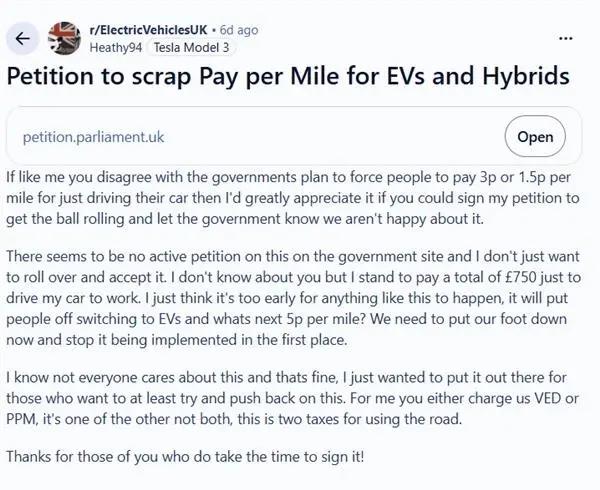
Recently, the British government has confirmed that a new vehicle consumption tax (eVED) system will be implemented on April 1, 2028, imposing a tax of approximately 17 yuan per 100 kilometers for pure electric and hydrogen-powered vehicles, while reducing the tax for plug-in hybrid models by half.
Recently, the British government has confirmed that a new v…

Under the dual pressures of war and sanctions, Iran is endu…

AP, Dubai — Military confrontation between the United State…

Recently, Reuters reported that Apple is accelerating its e…

In July 2026, the entire country of Japan was hit by a disa…

Recently, global convenience store giant 7-Eleven made head…
© Copyright 2026, All Rights Reserved