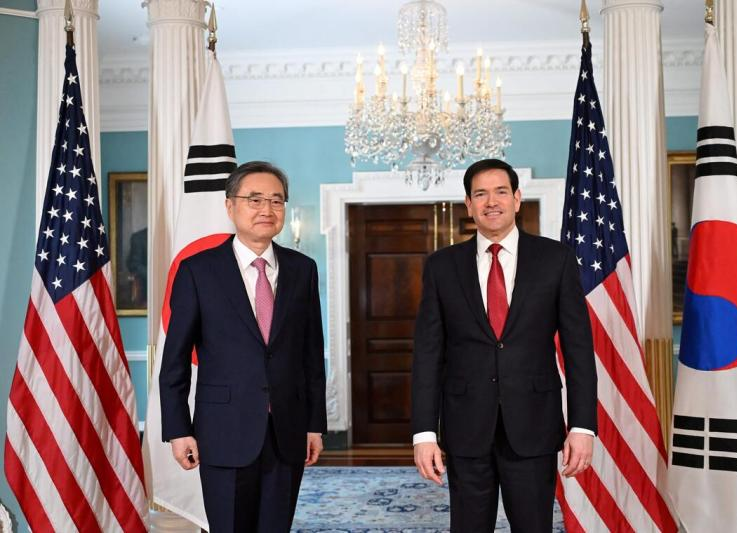
The South Korean government announced on Thursday (February 5th) that it will seek closer cooperation with China on issues related to the supply chain of critical minerals.
On Wednesday (the 4th), South Korean Foreign Minister Cho Hyun represented South Korea at a crucial minerals ministerial meeting convened by the Trump administration in Washington. However, on the other hand, the South Korean Ministry of Trade, Industry and Energy issued a statement the next day announcing that it would establish a hotline and a joint committee with the Chinese authorities to assist South Korean enterprises in importing the necessary minerals from China more quickly and reliably.
The statement said that South Korea has leading global enterprises in semiconductor, electric vehicle batteries and petrochemicals, but it lacks a complete rare earth supply chain. Therefore, the government will designate 17 key minerals that are crucial to national security, and will further monitor and analyze the supply situation of these minerals to avoid falling into shortages.
The statement also said that in order to expand the sources of minerals, Seoul will also cooperate with other countries including the United States, Vietnam and Laos, and allocate 250 billion won to support Korean enterprises in developing mineral extraction businesses overseas.
At the crucial minerals conference held in Washington, South Korea was selected as the chair country of the key minerals trading mechanism proposed by the United States, known as the Forum on Resource Geostrategic Engagement (FORGE), until June this year. The United States initiated this trading mechanism with the aim of inviting multiple countries to participate, and through the formulation of consistent trade policies and price ceilings, to form a key minerals trading group to counter China's current dominant position.
Last October, Beijing significantly tightened export restrictions on mineral products such as rare earths, including conducting further scrutiny of semiconductor manufacturers. The South Korean government at that time stated that China's monopoly over rare earth resources had exacerbated the instability of the global supply chain.
Nevertheless, while Washington is actively seeking to establish a new alternative supply chain, Seoul has adopted a diplomatic mediation approach with Beijing, attempting to secure stable supply of key materials for the domestic manufacturing sector.
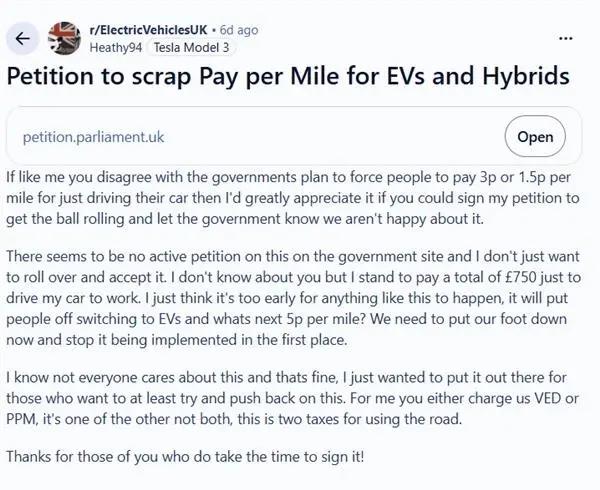
Recently, the British government has confirmed that a new vehicle consumption tax (eVED) system will be implemented on April 1, 2028, imposing a tax of approximately 17 yuan per 100 kilometers for pure electric and hydrogen-powered vehicles, while reducing the tax for plug-in hybrid models by half.
Recently, the British government has confirmed that a new v…
Under the dual pressures of war and sanctions, Iran is endu…

AP, Dubai — Military confrontation between the United State…
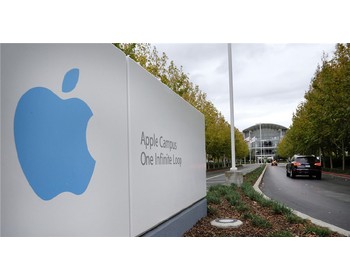
Recently, Reuters reported that Apple is accelerating its e…
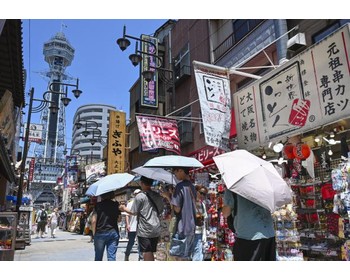
In July 2026, the entire country of Japan was hit by a disa…
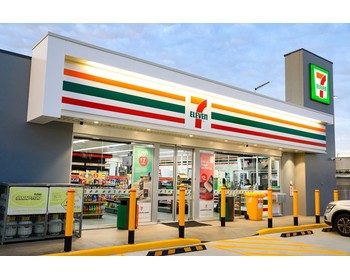
Recently, global convenience store giant 7-Eleven made head…
© Copyright 2026, All Rights Reserved