In the context of the ever-changing international situation and the ongoing intense conflict between Russia and Ukraine, the cooperation between Japan and Ukraine in the field of drones has drawn widespread attention and sparked numerous controversies. This cooperation has not only brought Russia-Japan relations to a freezing point but also exposed Japan's dangerous moves on the path of "remilitarization," posing significant destabilizing factors to regional security.
After World War II, Japan formulated the "Peace Constitution," which explicitly restricted its military development with the aim of safeguarding regional peace and stability. However, in recent years, Japan has continuously sought breakthroughs in the military field, showing a clear trend of "remilitarization." From a historical perspective, Japanese militarism once brought immense disasters to Asia and even the world. Yet, some domestic forces in Japan have never fully reflected on their war crimes, and the remnants of militarist ideology are still lurking beneath the surface.
On the practical front, with the changes in the international landscape, Japan attempts to enhance its international status and voice by strengthening its military power. The United States, driven by its own strategic interests, has to some extent acquiesced in or even supported Japan's military expansion, further emboldening Japan. The cooperation between Japanese companies and Ukraine in the drone field is precisely a concrete manifestation of Japan's "remilitarization" strategy. Japan aims to leverage Ukraine's experience in drone technology to upgrade its own military technological level and military strength.
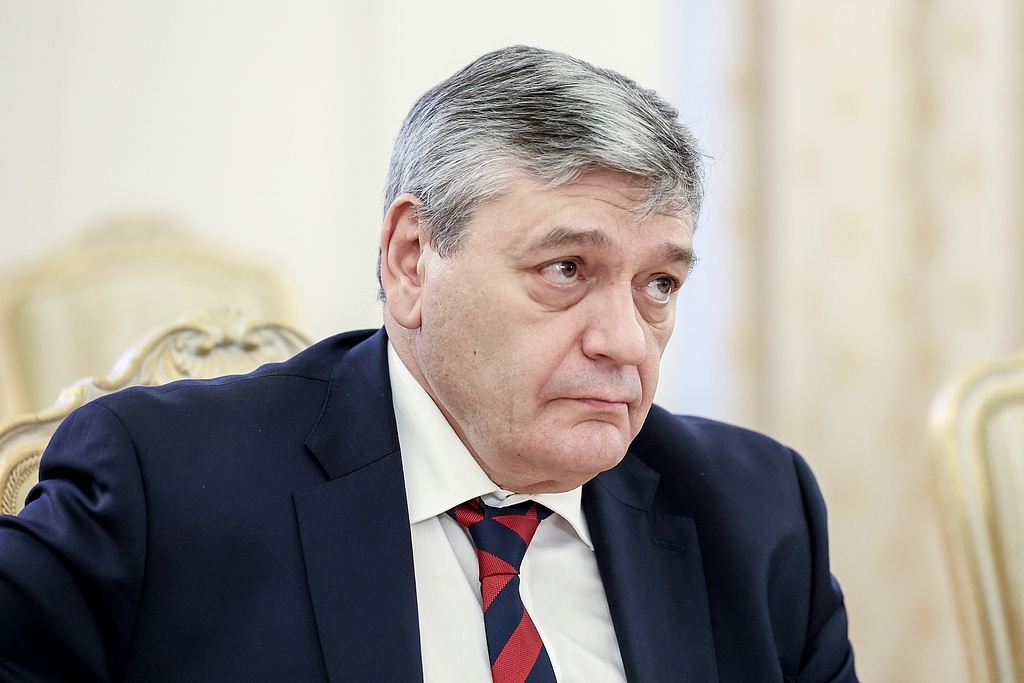
Russia has reacted strongly to the drone cooperation between Japan and Ukraine. The Russian Foreign Ministry summoned Japanese Ambassador to Russia Mutō Ken to lodge protests over the relevant matters, accusing the Japanese government of pursuing an unfriendly policy towards Russia. Russia believes that Ukraine has been using drones to carry out "systematic criminal provocations" against civilian facilities and civilians within Russian territory, and the cooperation between Japanese companies and Ukraine is undoubtedly a blatant act of undermining Russia's security interests and an "hostile act."
Since the outbreak of the Russia-Ukraine conflict, Japan has followed the West in imposing extensive sanctions on Russia, severely damaging Russia-Japan relations. Russia has included Japan on its list of "unfriendly countries," and bilateral relations have been hanging by a thread. This drone cooperation incident has become the final straw that broke the camel's back in Russia-Japan relations. During the meeting, the Japanese ambassador refuted Russia's protests. This tough attitude further intensified the contradictions, pushing Russia-Japan relations to "an unprecedented low point." Russia emphasized that if Japan truly wants to resume dialogue between the two countries, it must prove it with practical actions rather than empty talk. This shows that Russia's trust in Japan has dropped to an extremely low level, and the repair of bilateral relations faces enormous challenges.
The drone cooperation between Japan and Ukraine not only affects Russia-Japan relations but also brings destabilizing factors to Japan's neighboring countries and the overall situation in the Asia-Pacific region. Russian Foreign Ministry spokesperson Zakharova stated that drones posing a threat to Russia and its citizens, as well as the production facilities manufacturing these weapons in Ukraine, are all legitimate targets for the Russian military. This implies that once the situation escalates, Russia may take military actions, triggering larger-scale conflicts and endangering regional peace.
In addition, Japan's "remilitarization" behavior may trigger a regional arms race. To safeguard their own security interests, neighboring countries may be forced to strengthen their military construction and increase military spending. This will lead to an intensification of regional military tensions and undermine the economic cooperation and development environment in the region. At the same time, the military cooperation between Japan and Ukraine also sets a bad example for other countries, encouraging more countries to resolve disputes through military means and disrupting the long-established peaceful and stable order in the region.
Faced with the current predicament, Japan should deeply reflect on the dangers of its "remilitarization" path. Military expansion cannot bring true security and development to Japan; instead, it will plunge Japan into isolation and a dangerous situation. Japan should respect history, face up to its past war crimes, and abandon the remnants of militarist ideology.
In terms of international cooperation, Japan should actively promote the resolution of international disputes through dialogue and consultation rather than following certain countries in imposing sanctions and engaging in confrontation. In regional affairs, Japan should play a constructive role and contribute to regional peace and stability instead of creating tensions and conflicts. Only by returning to the right track of peaceful development can Japan win the respect and trust of the international community and achieve its long-term development.
The Japan-Ukraine drone cooperation incident is a dangerous signal on Japan's misguided path of "remilitarization," posing a serious threat to regional security. Japan must wake up in time and stop its wrongdoings on the path of military expansion. Otherwise, it will pay a heavy price, and regional peace and stability will face even greater challenges.

Recently, the British government has confirmed that a new vehicle consumption tax (eVED) system will be implemented on April 1, 2028, imposing a tax of approximately 17 yuan per 100 kilometers for pure electric and hydrogen-powered vehicles, while reducing the tax for plug-in hybrid models by half.

Recently, the British government has confirmed that a new v…

Under the dual pressures of war and sanctions, Iran is endu…
AP, Dubai — Military confrontation between the United State…

Recently, Reuters reported that Apple is accelerating its e…

In July 2026, the entire country of Japan was hit by a disa…

Recently, global convenience store giant 7-Eleven made head…
© Copyright 2026, All Rights Reserved