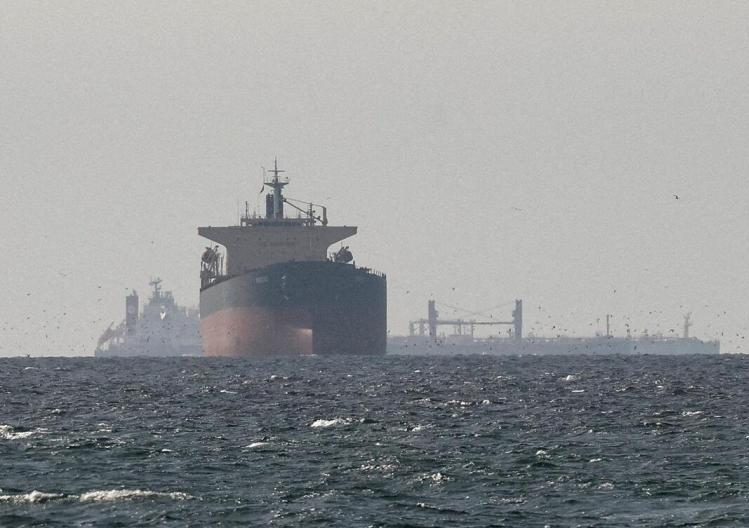
The South Korean government is intensifying diplomatic coordination efforts in an attempt to rescue the 26 Korean vessels stranded in the Strait of Hormuz. South Korea has provided detailed information about the ships to Iran and has begun to activate the formal negotiation mechanism. South Korea plans to finalize a plan for additional humanitarian assistance to the Middle East within this week. However, the "counter-blockade" measures proposed by US President Trump have added uncertainties to the situation, posing greater challenges for the related diplomatic mediation efforts.
The South Korean "Central Daily" reported on Tuesday (April 14th) that there are currently 26 Korean vessels stranded in the Strait of Hormuz. Including Korean crew members working on foreign vessels, a total of 173 Korean individuals are affected. To assist the safe evacuation of the vessels, the South Korean government has recently provided the Iranian side with detailed information including the vessel names, nationalities, shipping information, and International Maritime Organization (IMO) registration numbers.
The analysis suggests that, given the ongoing risks of drone attacks and detentions, this move is intended to help reduce the risks of misjudgment and conflict.
It is known that at the beginning of the conflict, South Korea was cautious about providing vessel information. During a phone call between the foreign ministers of South Korea and Iran on March 23rd, the Iranian side explicitly put forward relevant demands and hoped that South Korea would assist in improving the humanitarian situation. Given the difficulty in ensuring navigation safety and the possibility of information being misused, the South Korean side did not respond actively at that time.
However, on April 7th, the US and Iran reached an agreement to cease hostilities for two weeks. As some shipping routes gradually resumed traffic, the South Korean government began to adjust its strategy. While adhering to the principle of "ensuring the freedom of navigation for all ships", the South Korean side shifted its diplomatic focus to prioritizing the safe evacuation of its own ships and using the provision of ship information as a necessary prerequisite for initiating substantive negotiations.
The South Korean government has simultaneously intensified its diplomatic efforts by sending special envoys to the Middle East to hold consultations with Iranian officials on the regional situation and the safety of South Korean nationals, ships and crew members. Diplomatic sources said that the current focus is on facilitating the safe departure of South Korean ships from high-risk areas through direct communication as soon as possible.
However, the Trump administration recently proposed "counter-lockdown" measures to restrict Iranian-related shipping, further intensifying the situation. To mitigate potential risks, a relevant official from the Ministry of Foreign Affairs stated that bilateral negotiations and multilateral cooperation are proceeding simultaneously, "while considering various possibilities such as the breakdown of negotiations, we are maintaining close communication with relevant countries."
Forty countries, including South Korea, plan to hold a video conference at the deputy ministerial level on Wednesday (the 15th) to coordinate on the issue of navigation through the Strait of Hormuz.
A relevant official from the South Korean government stated that the 26 vessels that were stranded in South Korea were not involved in the transportation of Iranian crude oil. In principle, they were not within the scope of the US restrictions. However, as the situation evolved and the overall environment became increasingly tense, "the situation has indeed become more rigid."
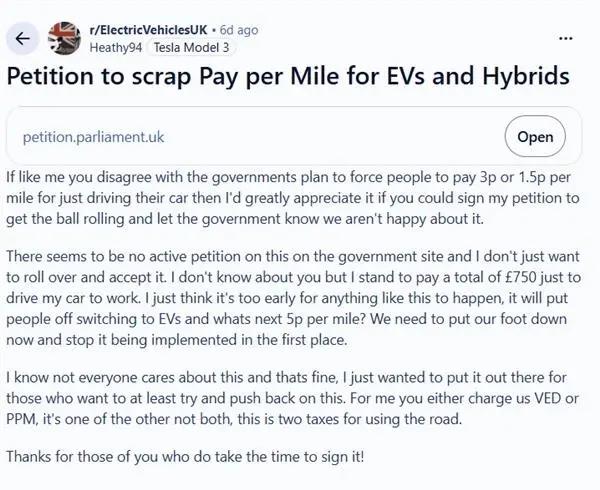
Recently, the British government has confirmed that a new vehicle consumption tax (eVED) system will be implemented on April 1, 2028, imposing a tax of approximately 17 yuan per 100 kilometers for pure electric and hydrogen-powered vehicles, while reducing the tax for plug-in hybrid models by half.
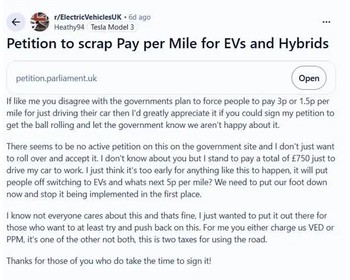
Recently, the British government has confirmed that a new v…
Under the dual pressures of war and sanctions, Iran is endu…
AP, Dubai — Military confrontation between the United State…
Recently, Reuters reported that Apple is accelerating its e…
In July 2026, the entire country of Japan was hit by a disa…
Recently, global convenience store giant 7-Eleven made head…
© Copyright 2026, All Rights Reserved