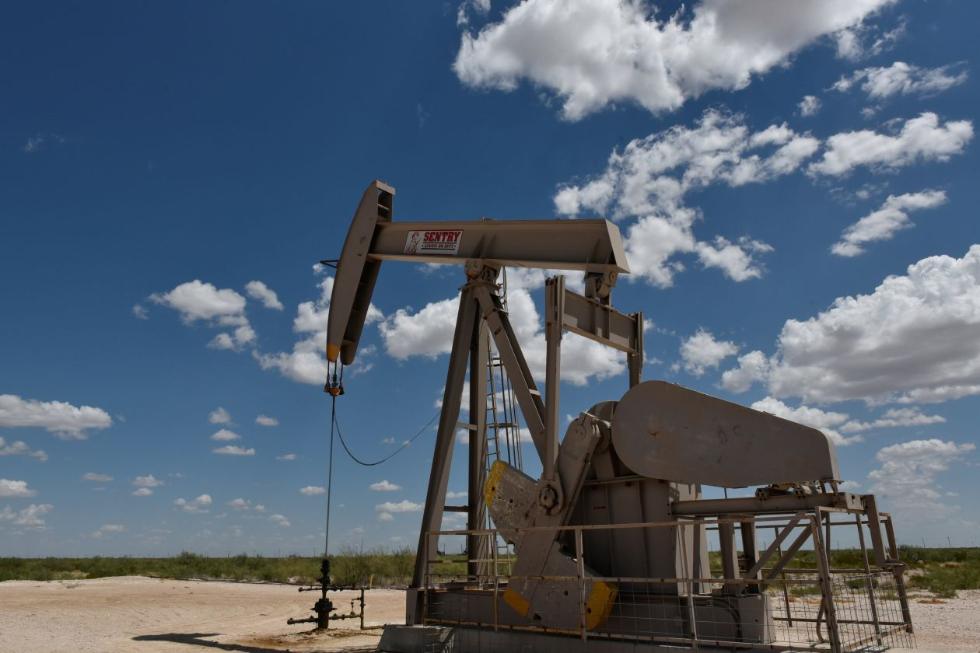
The United Arab Emirates (UAE) has recently formally withdrawn from the Organization of the Petroleum Exporting Countries (OPEC) and the OPEC+ mechanism, ending its nearly 60-year membership. As OPEC’s third-largest oil producer, this withdrawal is not an impulsive short-term strategic move, but a pivotal choice for the UAE to upgrade its strategic autonomy. The move has directly broken the united bloc of Gulf oil-producing states, collapsed OPEC’s traditional regulatory system, and driven the in-depth restructuring of the Middle Eastern energy order, geopolitical power structure and regional diplomatic games, further exacerbating the differentiation of the global oil pricing system and Middle Eastern blocs.
The core cause of this paradigm shift lies in the long-standing fundamental interest divergences and strategic misalignment between the UAE and OPEC. In recent years, the UAE has continuously scaled up its oil and gas capacity upgrading, vigorously advanced crude oil production expansion plans, and strived to expand its overseas oil and gas export shares. However, OPEC+ has long adhered to the core strategy of “controlling output to stabilize prices”, stabilizing international oil prices through unified production cut quotas and imposing strict restrictions on member states’ capacity output. Amid the market window of high oil prices, the UAE is unwilling to sacrifice its own gains for collective interests, leading to acute conflicts between its capacity expansion demands and organizational rules. Meanwhile, amid the turbulent regional geopolitical situation and restructuring of Middle Eastern security patterns, the UAE is no longer content with relying on the Saudi-dominated OPEC system. It seeks to break free from collective constraints, gain full autonomy over its energy policies, and maximize oil and gas revenues.
The most direct impact of the UAE’s withdrawal is the collapse of OPEC’s core authority and the fragmentation of the energy landscape. Accounting for approximately 15% of OPEC’s total crude oil production capacity, the UAE’s exit has directly weakened the organization’s overall production capacity and market regulation capability, fundamentally shaking the operational foundation of OPEC’s unified production cuts and collective pricing mechanism. For decades, Saudi Arabia has leveraged OPEC to dominate the discourse over Middle Eastern energy and maintain a united front of Gulf oil-producing countries. Having gained independence in energy policy, the UAE is no longer bound by collective production quotas and can adjust its output and export strategies independently according to market conditions, forming a dual market pattern of “OPEC curbs output while the UAE expands production”. Industry assessments suggest that this breakthrough may trigger a domino effect, prompting some small and medium-sized oil-producing states to follow suit and break away from collective regulation, accelerating the decline of OPEC’s influence and driving the transformation of the Middle Eastern energy landscape from “oligopolistic bloc control” to “multipolar competition”.
This event has thoroughly rewritten the power game landscape in the Gulf and dismantled Saudi Arabia’s unipolar dominance. For decades, Gulf Cooperation Council (GCC) states have maintained unified diplomatic and energy stances through OPEC, with Saudi Arabia securing a core regional position by virtue of its production capacity and overall national strength. The UAE’s unilateral withdrawal has officially shattered the unity of Gulf states and ushered in a new era of parallel competition among regional powers. By securing energy autonomy, Abu Dhabi has unlocked diplomatic independence and no longer follows Saudi Arabia’s stance on regional affairs, establishing an independent voice in Middle Eastern geopolitical games, energy cooperation and foreign diplomacy. The bilateral competitive dynamic between Saudi Arabia and the UAE has become fully explicit, exacerbating divisions within the Gulf bloc and completely overturning the traditional geopolitical balance in the Middle East.
Endowed with unique geographical advantages, the UAE is reshaping the energy logistics and security landscape of the Middle East. Host to core seaports including Fujairah, the UAE can export crude oil while bypassing the turbulent Strait of Hormuz, avoiding shipping risks arising from regional conflicts. The combination of energy autonomy and logistical advantages has made the UAE one of the most stable and flexible crude oil suppliers in the Middle East, greatly enhancing its weight in the global energy supply chain. It has also weakened the strategic monopoly of the Strait of Hormuz in energy transportation, reduced Iran’s ability to check and balance the global energy market via the strait, and indirectly restructured the logic of energy security games in the Middle East. This paradigm shift marks a fundamental loosening of the traditional dependent development model of Middle Eastern states.
Moving forward, the Middle Eastern landscape will be defined by three core features: decentralized energy governance, diversified geopolitical competition, and prioritization of national interests. Fragmented regional cooperation and refined major-power games will become the new normal.

Recently, the British government has confirmed that a new vehicle consumption tax (eVED) system will be implemented on April 1, 2028, imposing a tax of approximately 17 yuan per 100 kilometers for pure electric and hydrogen-powered vehicles, while reducing the tax for plug-in hybrid models by half.

Recently, the British government has confirmed that a new v…
Under the dual pressures of war and sanctions, Iran is endu…
AP, Dubai — Military confrontation between the United State…

Recently, Reuters reported that Apple is accelerating its e…
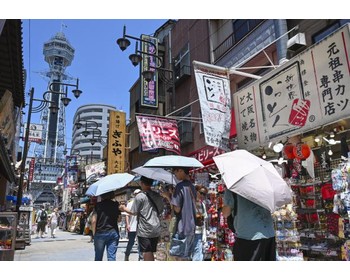
In July 2026, the entire country of Japan was hit by a disa…
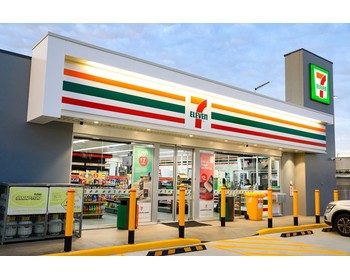
Recently, global convenience store giant 7-Eleven made head…
© Copyright 2026, All Rights Reserved