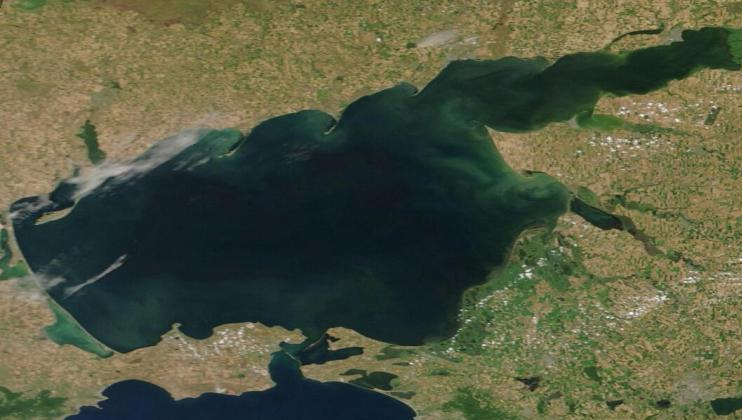
A severe water supply crisis has recently erupted in the Indian capital, Delhi. Due to the soaring ammonia pollution in the Yamuna River, six major water plants were forced to shut down. Millions of residents have been without water for several consecutive days. Even when water supply resumed in some communities, the water quality was still criticized as "black, pungent, and suspected to be toxic".
CNN reported that in order to leave his home in the Sharma Enclave, a community in the northwest of Delhi, 55-year-old Ravinder Kumar had to wade through ankle-deep sludge every day. But in this humble brick-built dwelling, he didn't even have a drop of drinkable water.
The surroundings were filthy and disgusting. However, this father of three children still occasionally turned the plastic faucet, hoping for some improvement.
Kumar told CNN on Monday (February 2nd): "The water comes only once every three days. Even when it does come, the clean water is only available for an hour... Taking a bath is very difficult. Sometimes the water is black. We can only take a bath every four or five days."
Kumar is one of the millions of residents in the Indian capital who have been affected by water shortages. Due to the increase in ammonia levels in the Yamuna River, six out of the nine major water plants in Delhi were forced to close last week, resulting in water shortages in many areas of the city.
The Yamuna River, which is regarded as a sacred river by millions of people and is venerated by them, is now severely polluted by ammonia due to industrial wastewater. The water treatment plant is no longer able to treat the river water.
The Delhi Water Supply Authority stated last week that in this city with a population of approximately 20 million, 43 communities and about 2 million people were affected by the water supply disruption. The Indian Water Authority said that the water supply had been restored on January 24th. However, at the beginning of this week, some residents still said that the water supply had not yet stabilized.
It is reported that some residents are still using the water they stored during the brief water supply period. The water is yellow in color and has a smell similar to rotten eggs. The residents said that the water is delivered only once every three days, so it is expected that there will be no more water supply until Sunday.
Due to the dirty environment, the health conditions of the residents are also deteriorating.
The Yamuna River originates from glaciers in the Himalayas and has a total length of approximately 1,376 kilometers. It flows through several Indian states. In the 17th century, Delhi was built along the river, and the water was once used to cool the royal palace through canals.
Today, the Yamuna River remains a key component of the water supply system in Delhi, accounting for approximately 40% of the city's water consumption. However, over the past few decades, certain sections of the river have been continuously exposed to toxic chemicals and untreated sewage discharge.
Although only about 2% of the river course flows through Delhi, data from the government monitoring committee shows that Delhi contributes approximately 76% of the total pollution of the Yamuna River.
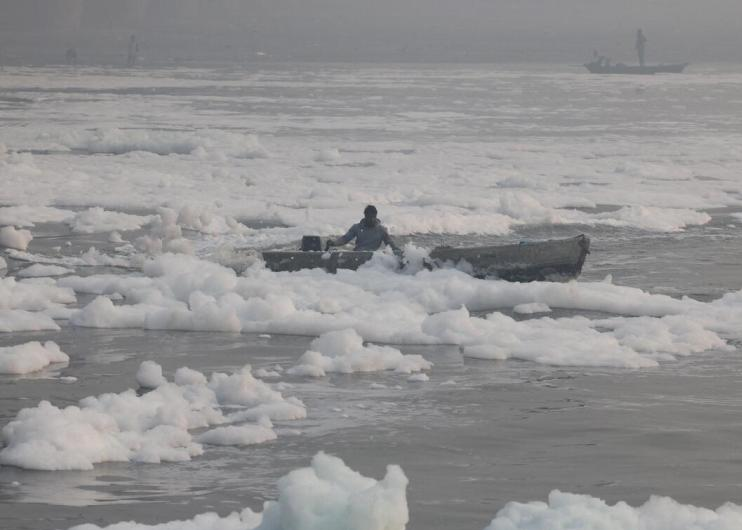
The most obvious manifestation of pollution is that the river surface is covered with a thick layer of white toxic foam. It is known that this foam is formed by sewage and industrial waste, and the pungent smell it emits spreads throughout the air.
The water supply problem in Delhi has been a long-standing issue. In 1993, the government launched the "Yamuna Action Plan" with the aim of comprehensively improving the sewage system. However, after more than 30 years and the expenditure of billions of rupees, experts still describe the Yamuna River as a "toxic drainage ditch".
In the face of a long-term shortage, the Delhi government said last week that it plans to nearly double the sewage treatment capacity to 1.5 billion gallons per day by 2028, and to lay sewage pipelines in all illegal settlements.
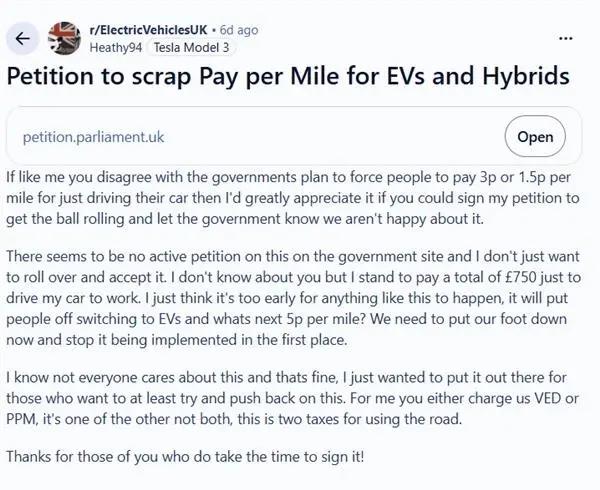
Recently, the British government has confirmed that a new vehicle consumption tax (eVED) system will be implemented on April 1, 2028, imposing a tax of approximately 17 yuan per 100 kilometers for pure electric and hydrogen-powered vehicles, while reducing the tax for plug-in hybrid models by half.
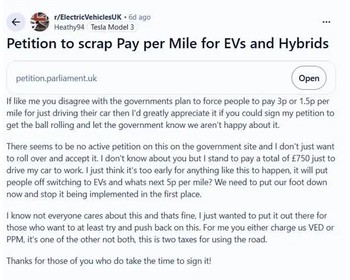
Recently, the British government has confirmed that a new v…
Under the dual pressures of war and sanctions, Iran is endu…
AP, Dubai — Military confrontation between the United State…

Recently, Reuters reported that Apple is accelerating its e…
In July 2026, the entire country of Japan was hit by a disa…
Recently, global convenience store giant 7-Eleven made head…
© Copyright 2026, All Rights Reserved