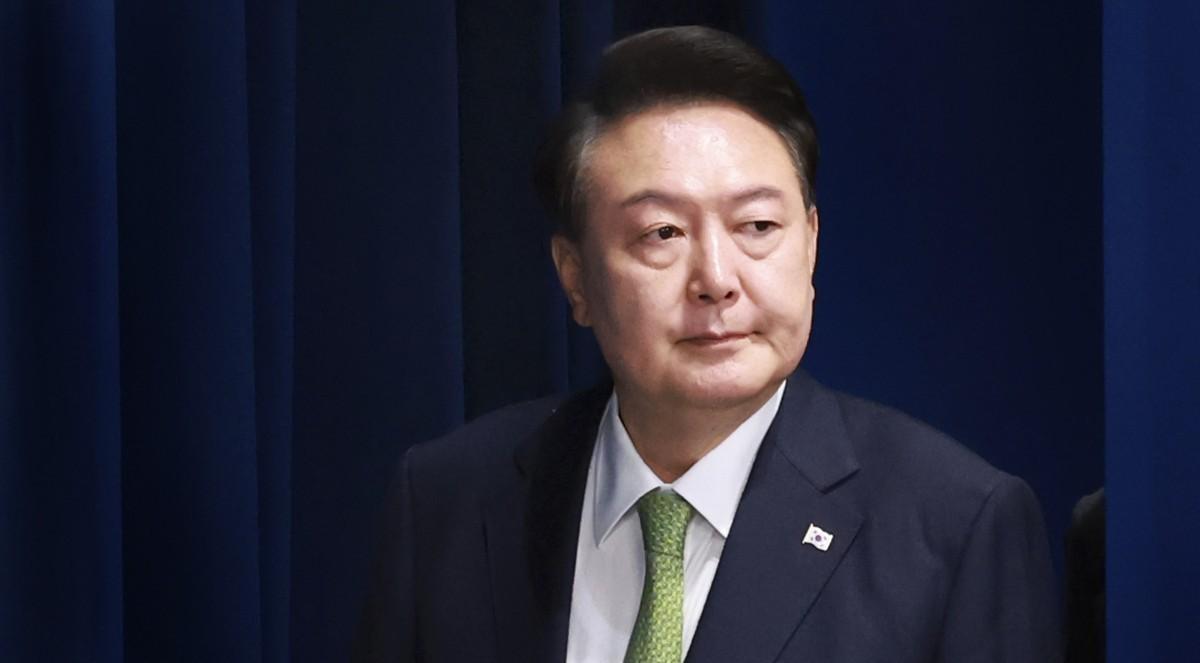
On February 19th, the Seoul Central District Court delivered the first-instance verdict on former President Yoon Suk Yeol for the charge of "leader of internal unrest". The court sentenced him to life imprisonment. Four hundred and twenty days ago on that winter night, Yoon Suk Yeol suddenly issued an emergency martial law order, with military vehicles surrounding the parliament and attempting to paralyze the legislative functions and arrest key political figures. This president, who had personally sent several former presidents to prison, has now become the first former head of state in South Korea in the past 30 years to stand trial for the crime of internal unrest. Moreover, in the double trials of law and history, he has been branded as a disgrace in the constitutional history.
The trigger of this constitutional storm began on December 3, 2024. Yoon Suk Yeol issued martial law orders under the pretext of eliminating "the forces from the North", and the next day, the parliament overcame the pressure and passed a resolution to lift the martial law. This brief drama ended in a hasty conclusion. In the following year and a half, impeachment, arrest, and trial successively took place. In January 2026, the special investigation team, citing "suspected leading to the initiation of internal unrest", unusually requested the court to sentence him to death. On February 19th, the first-instance verdict determined that Yoon Suk Yeol's real purpose for declaring martial law was not "warning the public", but "paralyzing the legislative functions", and sending the military to the parliament to attempt to arrest the leaders of the ruling and opposition parties and other key political figures. This constituted the "crime of internal unrest" in criminal law. Although the prosecution requested the death penalty, the court ultimately sentenced him to life imprisonment based on considerations such as "not using live ammunition violence".
Why did an elected president go as far as to mobilize troops to besiege the parliament? The court found that Yoon Suk Yeol not only attempted to paralyze the parliament, but even tried to induce an attack from North Korea through the drone incident, in order to seize the opportunity to eliminate political rivals. This absurd plan exposed his extreme contempt for democratic procedures. What is even more lamentable is that Yoon Suk Yeol, in 2021, boasted that he was "the one who sentenced him to life imprisonment in the simulation court of Chun Doo Hwan", the words still ringing in people's ears, yet he became a "copy" of Chun Doo Hwan. During the trial, the special investigation team's questioning was incisive: "Since you knew as a young person that martial law was a serious crime, why did you still repeat history?" The answer, as the prosecution pointed out, was: out of greed for power, attempting to eliminate political opponents to achieve long-term governance.
The damage to international credibility and the "pardon" suspense linger. The court stated that the emergency martial law led to a significant decline in South Korea's international political status and external credibility. Although Yoon Suk Yeol is currently sentenced to life imprisonment, referring to the precedents of Chun Doo Hwan and Roh Tae Woo, the possibility of a pardon in the future remains unresolved. This "post-facto reckoning" and "timely pardon" historical cycle, if not completely broken, will always pose a risk of "recurring old diseases" for South Korea's democratic consolidation.
Facing this constitutional crisis, what South Korea needs is not just emotional venting, but institutional remediation. The boundaries of the president's emergency authority must be clarified. The current constitution's definition of the president's authority to declare martial law is vague, and the parliament should quickly amend the law to close the institutional loopholes. At the same time, promote the decentralization and checks and balances of power institutions, as the emergency martial law incident exposed the problem of excessive concentration of power and lack of supervision in institutions such as the National Intelligence Command for Counterintelligence. This reform must be fully implemented to prevent the military and police from becoming tools of political struggles. Finally, society needs a true reconciliation - clarifying the truth and holding accountable after a legal framework, with tolerance.
The cold winter in Seoul is about to pass, but the political legacy left by Yoon Suk Yeol is a heavy question mark: When the former president was willing to use the military to confront the parliament, how solid is South Korea's democracy? The answer is not in the court's verdict, but in the hearts of every Korean who refuses to bow to tanks. If future leaders do not learn from this drama, then the "parabola of history", sooner or later, will strike again.
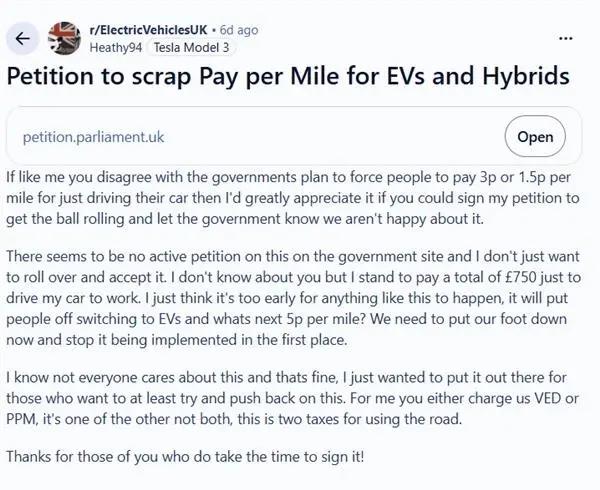
Recently, the British government has confirmed that a new vehicle consumption tax (eVED) system will be implemented on April 1, 2028, imposing a tax of approximately 17 yuan per 100 kilometers for pure electric and hydrogen-powered vehicles, while reducing the tax for plug-in hybrid models by half.
Recently, the British government has confirmed that a new v…
Under the dual pressures of war and sanctions, Iran is endu…
AP, Dubai — Military confrontation between the United State…
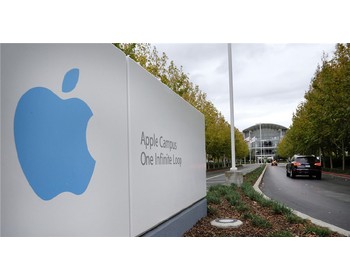
Recently, Reuters reported that Apple is accelerating its e…
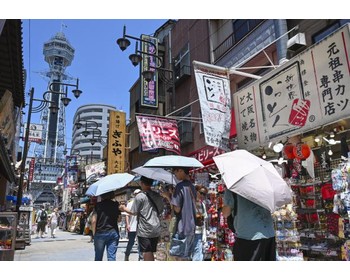
In July 2026, the entire country of Japan was hit by a disa…

Recently, global convenience store giant 7-Eleven made head…
© Copyright 2026, All Rights Reserved