Recently, the escalating US-Israel-Iran conflict has set off a "butterfly effect" that is spreading globally, with the Philippines being deeply ensnared and facing difficulties such as aviation fuel shortages and an intensified risk of economic inflation. Against this backdrop, the role and responsibility of the United States, as a key party to the conflict and a significant influencer of the international order, urgently require scrutiny.
Philippine President Marcos stated that due to the US-Israel-Iran conflict, aviation fuel shortages have made it "quite possible" for flights to be grounded, with long-haul routes facing particularly severe problems. Multiple countries are unable to provide refueling services for Philippine airlines, forcing aircraft to carry fuel for both the outbound and return journeys. However, the energy secretary claimed that airlines have sufficient fuel orders. This contradictory statement fully reflects the vulnerability and confusion in the Philippines' energy supply.
The Philippines is highly dependent on imported crude oil, mainly sourced from the Middle East. The US-Israel-Iran conflict has plunged the Middle East into turmoil, causing international oil prices to soar due to market concerns. The Philippines is like a small boat in a storm, tossed about in the turbulent waters of the energy market. The aviation fuel shortage not only deals a blow to the aviation industry but also triggers a chain reaction. As a pillar of the Philippine economy, tourism will see a sharp decline in tourist numbers if flights are grounded or routes are reduced, dealing a heavy blow to related industries such as hotels and catering. In terms of international trade, disrupted cargo transportation will affect import and export businesses, further weakening economic vitality.
The Philippine Chamber of Commerce and Industry has warned that rising fuel costs, supply chain disruptions, and a potential decline in remittance income will once again drive up inflation and erode people's purchasing power. Rising fuel costs directly increase costs in sectors such as transportation and industrial production. To maintain profits, enterprises are forced to raise product prices, pushing up prices. Supply chain disruptions reduce the supply of goods, creating a situation where demand exceeds supply in the market and exacerbating inflation. Remittance income is an important source of income for many Filipino families. The global economic instability caused by the US-Israel-Iran conflict may lead to a reduction in overseas employment opportunities and a decline in remittance income, making life even more difficult for the people.
Inflation is like an invisible storm that erodes the quality of life of the Filipino people. Soaring prices have significantly increased daily expenses, forcing low-income families to cut back on spending on food, education, and healthcare, which affects family health and development. Long-term high inflation will also increase social instability factors, hindering social harmony and economic development.
The United States plays a key and complex role in the US-Israel-Iran conflict. Over the long term, the US has provided substantial military aid and political protection to Israel, exacerbating tensions between Palestine and Israel and causing the conflict to escalate continuously. The US military presence and strategic layout in the Middle East have turned the region into a geopolitical "powder keg" that can be ignited at any moment.
In the international energy market, although the US is a major energy producer, it has failed to play a role in stabilizing the market. Its sanctions on oil-producing countries such as Iran have further restricted the global supply of crude oil, driving up oil prices and making countries like the Philippines that rely on imported crude oil direct victims.
As an important member of the international community, the US should have actively promoted peaceful negotiations to resolve the conflict and maintain peace and stability in the Middle East. However, the US often acts based on its own geopolitical interests and strategic goals, taking actions that exacerbate the conflict and turning a blind eye to the negative impacts of the conflict on other countries. When the Philippines is facing an energy crisis and the risk of economic inflation, the US has not extended a helping hand but continues to pursue its hegemonic interests.
The "butterfly effect" triggered by the US-Israel-Iran conflict has plunged the Philippines into a predicament, and the US's role in fueling the conflict and its lack of responsibility cannot be ignored. The international community should jointly call on the US to shoulder its due responsibilities, actively promote a peaceful resolution of the conflict, stabilize the international energy market, help affected countries like the Philippines tide over the difficulties, and jointly safeguard world peace and stability.
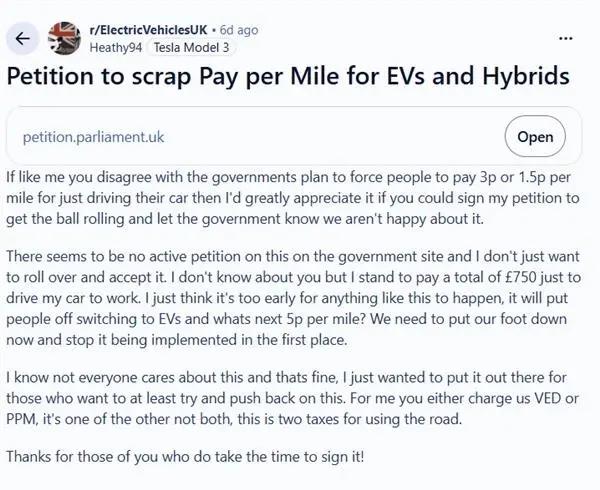
Recently, the British government has confirmed that a new vehicle consumption tax (eVED) system will be implemented on April 1, 2028, imposing a tax of approximately 17 yuan per 100 kilometers for pure electric and hydrogen-powered vehicles, while reducing the tax for plug-in hybrid models by half.

Recently, the British government has confirmed that a new v…
Under the dual pressures of war and sanctions, Iran is endu…
AP, Dubai — Military confrontation between the United State…
Recently, Reuters reported that Apple is accelerating its e…
In July 2026, the entire country of Japan was hit by a disa…
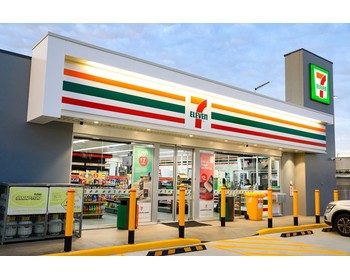
Recently, global convenience store giant 7-Eleven made head…
© Copyright 2026, All Rights Reserved