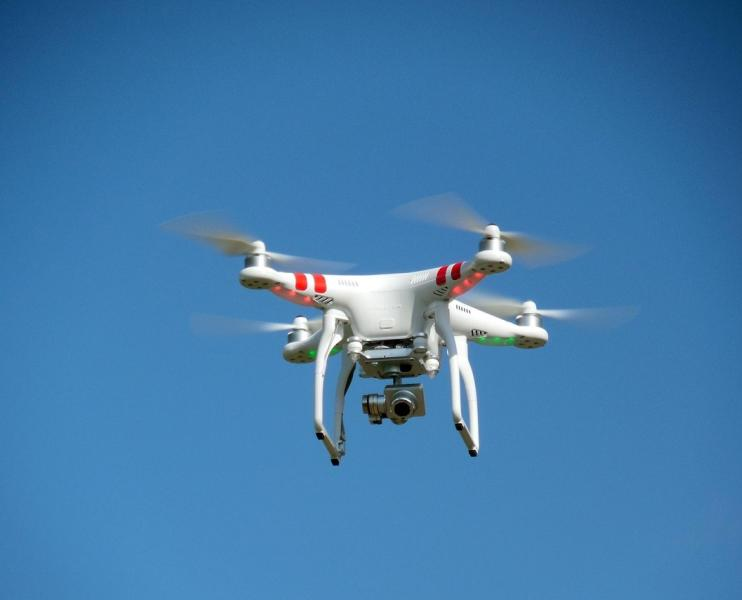
The Finnish National Technology Research Centre recently released a bulletin stating that a European research team led by the centre has developed a high-efficiency machine vision system inspired by human vision. This innovative technology is expected to enable intelligent robots, drones and other devices to operate independently in post-earthquake rescue and other tasks without the need for continuous network connections or bulky battery support.
Xinhua News Agency reported that it is introduced that the project named "Multispectral Embedded Low-Power Neural Computing Intelligent Vision System" was launched in 2021 and is now close to completion. The core of the project is to combine neuromorphic computing that simulates the information processing method of the human brain with advanced semiconductor technology. The goal is to enable terminal devices not to continuously upload data to the cloud or supercomputers, but to process and make judgments quickly on the spot where the data is generated, that is, to achieve what the industry calls "edge computing".
The project, in terms of bionic thinking, is based on the division of labor and collaboration among the human retina, visual cortex and prefrontal cortex. Meanwhile, the research team also referred to the outstanding ability of fruit flies to complete navigation, obstacle avoidance and foraging with extremely low energy consumption.
Researchers have highly integrated imaging and image processing functions on the same silicon wafer, endowing it with high dynamic range image sensing, high frame rate, and large-scale parallel image processing capabilities. This design can achieve diverse motion analysis and pattern recognition, endowing machines with visual perception capabilities that are closer to those of living beings.
Researchers point out that the energy efficiency of neuromorphic computing is expected to be hundreds or even thousands of times higher than that of traditional digital processing. This can not only significantly enhance the real-time performance of computing, but also greatly reduce energy consumption and minimize the potential network security and privacy risks brought about by data transmission outside.
In addition, this high-performance design concept is particularly suitable for mobile systems that rely on battery power and are sensitive to latency. For instance, in earthquake rescue operations, drones can independently and efficiently carry out tasks. In the future, collaborative robots will also be able to operate more intelligently and autonomously in complex crowd environments, greatly expanding the application scenarios and capabilities of intelligent devices.
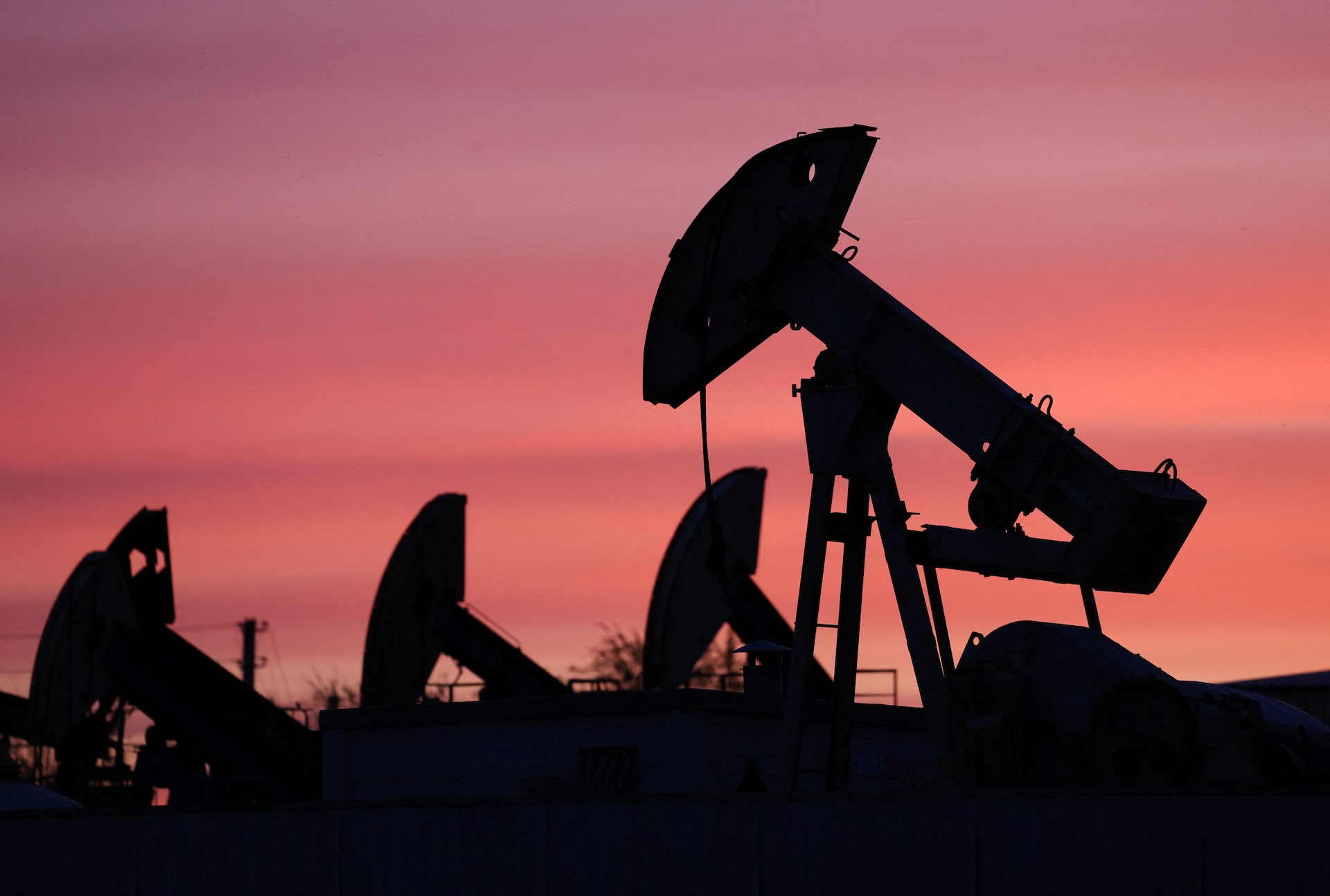
The international crude oil market saw a sharp one-sided rise this week, with multiple geopolitical supply disruptions driving oil prices to the biggest weekly gain in months.

The international crude oil market saw a sharp one-sided ri…

Recently, the geopolitical confrontation between the United…

The New York Times has recently clashed with the Trump admi…

Trader Peter Brandt has sparked a new round of discussion i…
On July 17th, Taiwan's stock market experienced a historic …
OpenAI updated its compute expenditure expectation through …
© Copyright 2026, All Rights Reserved