
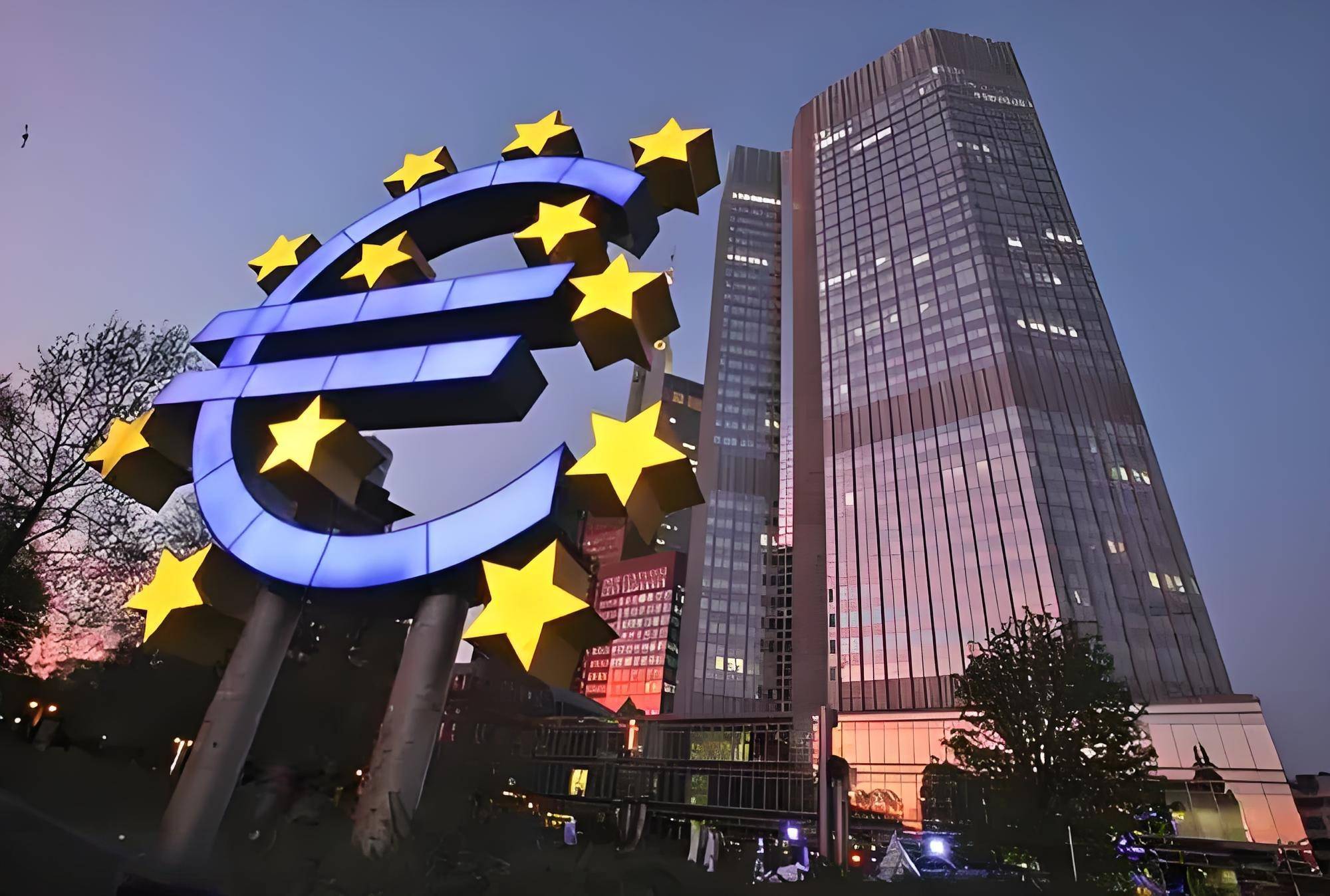
On January 13, 2026, the STOXX Europe 600 Index closed 0.2% higher, hitting a new all-time high. Mining stocks led the gains amid rising copper prices, while travel, leisure, and automotive stocks pulled back, showing characteristics of structural differentiation. This new high is driven by market expectations of moderate inflation decline and policy stability, but hidden concerns such as France’s high-debt deadlock and escalating US-EU strategic rifts continue to fester. Behind the projected growth rate of 1%-1.5% in 2026 lies a complex pattern of "strong markets but weak real economy."
The record high of European stock markets is no accident. As early as January 7, the index had surpassed the 600-point mark for the first time. Healthcare stocks were boosted by expectations of the launch of Novo Nordisk’s oral weight-loss drug, and combined with optimistic global economic sentiment and linkage effects with technology stocks, they collectively lifted risk appetite. However, sectoral differentiation is prominent: mining stocks benefited from rising commodity prices, while cyclical sectors such as automobiles were dragged down by supply chain adjustments and weak demand, highlighting the uneven recovery of the real economy. On the inflation front, core economies including Germany and France will release the latest data this week, and the market generally expects a moderate decline, which provides support for the European Central Bank (ECB) to maintain policy stability. Currently, inflationary pressures in the Eurozone have eased significantly, with stable energy prices balancing the weakening stickiness of core inflation. Nevertheless, if concerns over France’s debt risk intensify and push up sovereign bond yields, the ECB may activate the Transmission Protection Instrument (TPI) for bond purchases to stabilize the market.
Fiscal and debt issues have become the core pain point of the Eurozone economy. France’s public debt-to-GDP ratio has reached 116%, and it is expected to rise to 118.4% in 2026, with the fiscal deficit expanding to 5.7% of GDP. This has led to persistently high German-French government bond spreads, which remained at 66 basis points on January 13—at a relatively high level since mid-August—indicating that market concerns about France’s debt-servicing capacity have not subsided. The root cause of France’s debt predicament lies in the conflict between fiscal discipline and growth needs: to cope with energy transition and social welfare expenditures, renewable energy subsidies will increase by 24% to 7.7 billion euros in 2026, with total energy-related subsidies reaching 13 billion euros, further squeezing fiscal space. Meanwhile, impeachment motions initiated by far-left and far-right parties have hindered the review of the 2026 fiscal bill. The political deadlock may exacerbate the transmission of debt risks; if the bill is not passed, the French government may face the extreme scenario of resignation or dissolution of parliament.
In terms of the external environment, the EU has recently achieved an important breakthrough: on January 9, EU member states voted to approve the signing of a free trade agreement (FTA) with Mercosur, concluding 25 years of negotiations. Hailed by German Chancellor Olaf Scholz as a "milestone," the agreement is expected to expand export markets, promote trade diversification, and ease pressure from US tariffs. However, its implementation remains uncertain—France and Hungary have explicitly opposed it due to concerns about competition in the agricultural product market. The final vote by the European Parliament in April-May will be a key juncture, and protests by farmers’ groups have also cast a shadow over its implementation. More severe challenges come from long-term structural constraints: the high cost of energy transition, with France alone allocating billions of euros in related subsidies annually, and continuous investment in infrastructure exacerbating fiscal burdens; OECD data shows that the rising old-age dependency ratio in the Eurozone has led to a contraction in labor supply, restricting potential growth rates and pushing up social security expenditures; the rise of populism has disrupted political stability, as seen in France’s impeachment turmoil and Italy’s political instability, both of which may weaken policy continuity and recovery momentum.
The widening rift between the US and the EU has become another core risk. Germany’s Finance Minister has warned that differences between the two sides on supply chain and trade policies continue to escalate, and transatlantic frictions have escalated from digital regulation to a "tit-for-tat" contest. At the end of 2025, the US imposed visa restrictions on EU advocates of digital sovereignty, while the EU has repeatedly imposed huge fines on US tech companies in accordance with the Digital Services Act (DSA) and Digital Markets Act (DMA), leading to intensified rivalry in the digital economy. Behind the rift lies the contradiction between the Eurozone’s pursuit of strategic autonomy and its actual dependence: Europe is highly reliant on the US in key areas such as cloud computing, artificial intelligence, and semiconductors, with domestic suppliers accounting for only about 15% of the market share, making it difficult to support the vision of digital sovereignty. Although the EU plans to build "AI supercomputers" and expand data center capacity to address shortcomings, it is hard to reverse the technological and industrial disadvantages in the short term. Measures such as expanding space through the Mercosur FTA and adjusting regulations to "reduce burdens" for enterprises also fail to touch the structural roots of the rift.
The record high of Eurozone stock markets reflects the market’s optimistic response to short-term policy stability and moderate inflation, but it cannot hide deep-seated contradictions. France’s high debt and political deadlock, fiscal pressures from energy transition, constraints from an aging population, and widening US-EU rifts collectively constitute "stumbling blocks" to economic recovery. Amid the expected moderate growth in 2026, the quality and sustainability of growth are under pressure. In the future, the ECB’s policy regulation, the resolution of France’s debt issues, and the management of US-EU rifts will become key variables. How to strike a balance between short-term market stability and long-term structural reforms remains a core issue that the EU urgently needs to address.

Recently, the British government, in accordance with the "Steel Industry (Nationalization) Act" that came into effect on July 16th, took the British Steel Company, which is controlled by China Jiefang Group, into state ownership without compensation.

Recently, the British government, in accordance with the "S…

On July 23rd local time, the US Trade Representative Office…

The international crude oil market saw a sharp one-sided ri…

Recently, the geopolitical confrontation between the United…

The New York Times has recently clashed with the Trump admi…

Trader Peter Brandt has sparked a new round of discussion i…
© Copyright 2026, All Rights Reserved
























