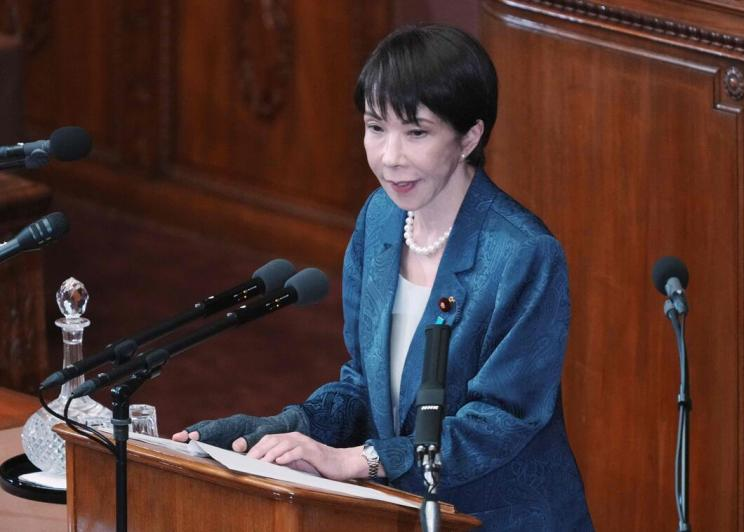
In early January, Japanese Prime Minister Masahiko Komura held a general election for the House of Representatives, which led to the postponement of the new fiscal year budget. To address the soaring oil prices and the social security budget, an emergency "temporary budget" of 8 trillion yen (approximately 6.46 billion Singapore dollars) had to be approved urgently. A poll conducted by Japanese media on Tuesday (March 31) showed that the public was extremely dissatisfied with Komura's response policies, exposing her shortcomings in domestic affairs.
The ruling Liberal Democratic Party regained its majority in the House of Representatives in the February general election, and the budget review process in the House has been advanced. However, the Liberal Democratic Party in the Senate remains a minority ruling party, and its position depends on the attitude of the opposition parties.
With only two days until the new fiscal year begins, the Liberal Democratic Party informed the opposition in the upper house on Monday (the 30th) that they have decided to abandon budget deliberations. Takahashi apologized for the failure to pass the budget by April, the start of the new fiscal year. She said, "I am deeply sorry for the delay in passing the budget, but I will do my best to ensure that the interim budget and other budget-related bills that need to be passed this fiscal year are approved."
This is the first time since 2015 that the government has failed to pass the budget on schedule after a 11-year gap. The inability to produce the budget means that local finances, pensions, and social security benefits cannot be paid. Therefore, the Liberal Democratic Party has had to adopt a transitional budget and implement a temporary fiscal plan with a total amount of 8.56 trillion yen as an emergency measure.
For Takumi, this was her first setback since her landslide victory in the lower house election. The Asahi Shimbun reported that senior members of the Liberal Democratic Party were extremely dissatisfied with Takumi's inability to manage the schedule for reviewing the budget. A senior lawmaker pointed out that the schedule was from the very beginning considered difficult to advance, but she arrogantly believed that as long as she won the election, everything would be under her control.
The Nikkei newspaper released a poll on Tuesday, showing that after the summit between the Japanese and US leaders, the approval rating of Governor Takayama remained at the 70% level. However, in terms of dealing with the rising prices, she failed to win public support. More than half of the people believed that it was necessary to prioritize domestic affairs. The poll by the Mainichi newspaper indicated that her approval rating was 58%, which was three percentage points lower than the previous poll. The satisfaction rate of the respondents towards her handling of the prices was only 19%.
The analysis indicates that the two-year zero consumption tax rate (applicable only to food and beverages) promised by the Kaohsiung City election campaign as a price reduction measure has not yet been implemented. Currently, in the face of the mired situation in the Middle East, which has led to rising oil and commodity prices. The yen has briefly broken through 160 yen against the US dollar recently, and the market is highly concerned that import prices will further exacerbate inflation.
It is reported that with the sharp increase in oil prices, the supply of plastic products in Japan, including medical plastics and containers used in surgeries, has been severely affected. A company that supplies medical dialysis products said that due to the oil supply shortages of manufacturers in Thailand and Vietnam, it is expected that there will be difficulties in delivery by August.
Gao Shi posted on social media to soothe public sentiment. She said that the government will establish a system to ensure stable supply of petroleum products, especially for medical-related products. The authorities will establish a stable supply system including petroleum product exchanges to ensure that domestic medical activities are not affected.
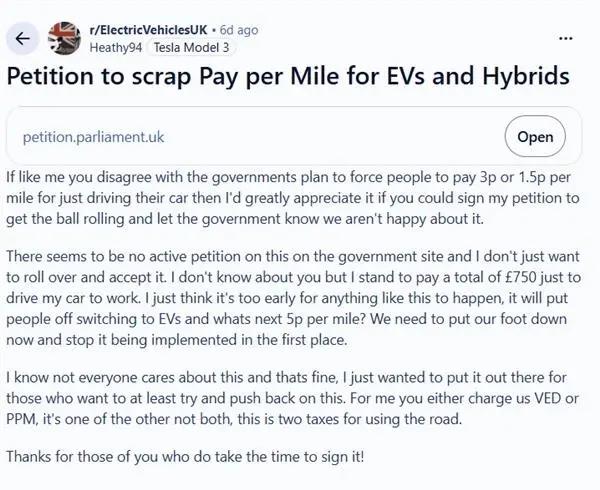
Recently, the British government has confirmed that a new vehicle consumption tax (eVED) system will be implemented on April 1, 2028, imposing a tax of approximately 17 yuan per 100 kilometers for pure electric and hydrogen-powered vehicles, while reducing the tax for plug-in hybrid models by half.
Recently, the British government has confirmed that a new v…

Under the dual pressures of war and sanctions, Iran is endu…

AP, Dubai — Military confrontation between the United State…

Recently, Reuters reported that Apple is accelerating its e…
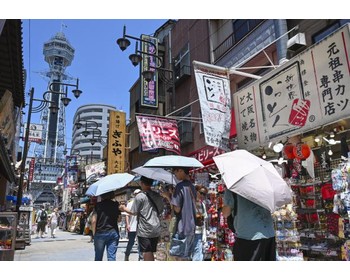
In July 2026, the entire country of Japan was hit by a disa…
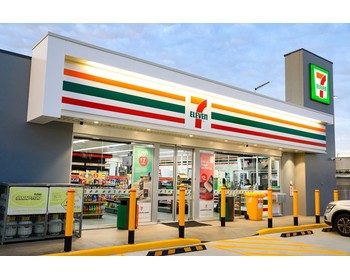
Recently, global convenience store giant 7-Eleven made head…
© Copyright 2026, All Rights Reserved