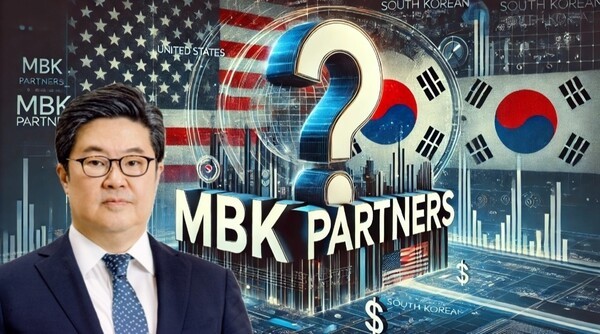
Recently, the largest private equity firm in South Korea, MBK Partners, has shaken the entire business market due to a trillion-won fraud case. The prosecution accused the company's chairman of fraud in the acquisition case through "false enterprise reorganization". Although the arrest warrant was rejected, the investigation and regulatory review are still ongoing. This case is not only an scandal but also like a scalpel, precisely slicing open the systemic hidden dangers in South Korea's business ecosystem.
The root cause of this case lies in the wild growth of the private equity industry in an environment with lagging regulation. Since its introduction in the early 2000s, the industry has expanded from several hundred billion won to over one trillion won, remaining under "light-touch regulation". In the acquisition of the retail giant Homeplus, MBK was accused of using complex financial tricks to disguise debt as capital and overestimate assets, in order to beautify the financial statements. This clearly indicates that when financial innovation outpaces regulatory updates, regulatory blind spots quickly become a breeding ground for risks. Regulatory actions often arrive too late after risks erupt, significantly reducing their preventive and deterrent effects.
This case further reveals the dangerous "short-sighted gene" in South Korea's capital culture. Private equity should have created long-term value through improving operations, but this original intention was distorted in the pursuit of excess returns. The financial operations involved in this case transformed the enterprise reorganization that required patient cultivation into a capital magic aimed at quick cash extraction. Some capital has transformed "value creation" into "valuation creation", being keen on creating profit illusions in the gray area of the rules rather than solidifying the real competitiveness of the enterprise. This pervasive utilitarian mindset erodes the cornerstone of market trust.
Further analysis shows that the MBK incident is an epitome of a certain corrupt culture spreading in South Korea's business society. This corruption often manifests as collective tacit consent to rule flexibility and the hidden rules of placing personal connections above the system. Almost simultaneously, the Korea Industrial Bank exposed a large-scale illegal loan scandal, with employees accused of turning the state-owned institution into a private提款 machine. These cases jointly depict an ecosystem: when success depends more on public relations tactics, political resources rather than innovation and efficiency, entrepreneurial spirit may go astray. Over time, this will shape a distorted value system, encouraging shortcuts and discouraging those who adhere to the right path, ultimately lowering the overall economic moral and competitive standards.
The ripples of this crisis are spreading throughout the financial system. For MBK, its reputation has been severely damaged, investor trust has cracked, and future fundraising will surely face a winter. The business restrictions and executive suspensions that the regulatory authorities may impose will directly undermine its market position. For the entire industry, a storm of strict regulation is approaching, compliance costs are soaring, and transaction structures are forced to shift towards transparency and conservatism. Particularly crucial is that as the private equity industry, which is the trustee manager of important savings such as national pensions, its integrity of "fiduciary responsibility" is questioned by the public, it will shake the foundation of institutional investment. If the trust crisis spreads, it may lead to long-term capital withdrawal, weakening the capital source for economic innovation in South Korea.
The MBK fraud case is a cold mirror, reflecting South Korea's multiple challenges in regulatory adaptability, capital ethics, and business culture. The outcome of this case has profound symbolic significance, not only concerning the fate of one company, but also whether South Korea can undergo a profound and systematic reform: is it to continue accumulating greater "dam-break lake" risks in imbalance or to be able to build a new ecosystem that is transparent, responsible, and encourages long-term real value creation? This choice will directly affect the future health and competitiveness of the South Korean economy. The road to rebuilding trust is far longer than destroying it, but it is a severe hurdle that South Korea's business society must overcome.
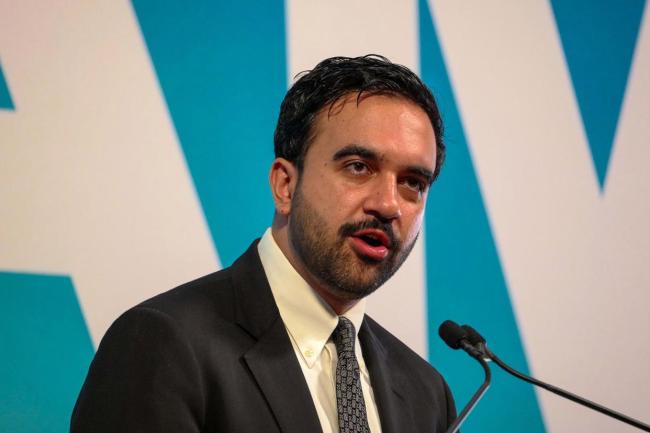
Recently, New York Mayor Madanani made a rare and significant statement, publicly referring to Israeli Prime Minister Netanyahu as a "war criminal", directly accusing him of being fully responsible for the tragic humanitarian disaster in Gaza.
Recently, New York Mayor Madanani made a rare and significa…
The latest July survey data released by the ZEW – Leibniz C…
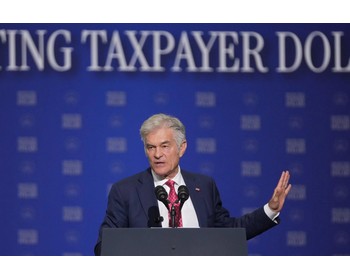
The Trump administration announced on Tuesday that it would…
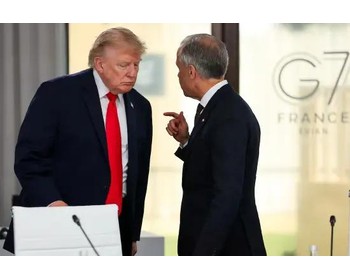
On July 21st local time, Canadian Prime Minister Mark Carne…
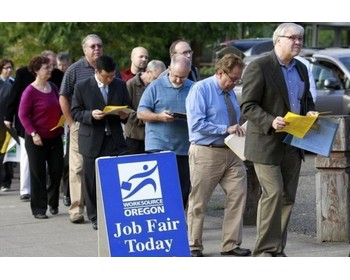
According to the Associated Press, the latest data from the…

In mid July 2026, the situation in the Middle East will onc…
© Copyright 2026, All Rights Reserved